
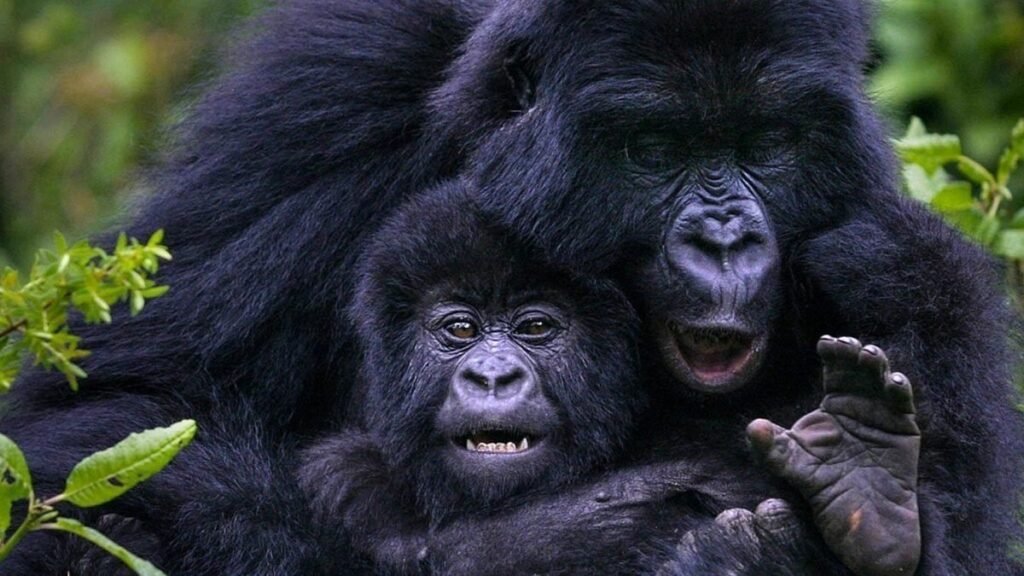
Uganda gorilla trekking for students is an incredible educational and adventure opportunity. The gorilla permit costs eight hundred dollars. It is a significant expense. But group discounts, budget accommodation, and careful planning make it achievable. The experience offers lessons in biology, conservation, and culture that no classroom can replicate. University groups, gap year students, and school groups with older teenagers can all participate. The minimum age is fifteen. This guide explains how students can experience gorilla trekking affordably and meaningfully. Your educational adventure awaits.
Uganda is the best value gorilla destination. The permit is cheaper than Rwanda’s. Budget lodges and camps keep costs low. Group travel spreads transport expenses. The educational value is immense. Students learn about endangered species protection, community-based conservation, and East African culture firsthand. Uganda gorilla trekking for students is a transformative experience.
Budgeting and Cost-Saving Strategies
The gorilla permit is the largest cost. Students pay the same rate as other foreign non-residents. There are no student discounts on permits. However, savings come from other areas. Book budget lodges or community camps. Bwindi Backpackers Lodge and Broadbill Forest Camp offer affordable rates. Shared dormitories keep costs low. Use shared shuttles or public transport instead of private vehicles. Travel in the low season from March to May or October to November. Lodges reduce their rates. Permits are easier to obtain. Group bookings may attract discounts from operators. Contact several local operators and ask about student or group rates. Uganda gorilla trekking for students becomes more affordable with these strategies.
Educational and Conservation Learning
Gorilla trekking is a living lesson in conservation. Students learn about endangered species management. The permit fee directly funds anti-poaching patrols and community projects. A briefing from rangers explains the rules and the science behind them. The habituation experience offers even deeper learning. Students can visit community projects near Bwindi. The Batwa Cultural Trail teaches anthropology and indigenous knowledge. The Ride 4 a Woman project demonstrates social enterprise. These experiences enrich the academic value of the trip. Uganda gorilla trekking for students supports curricula in biology, environmental science, and international development.
Group Logistics and Safety
Travelling as a group requires organisation. Book permits well in advance. Large groups may need permits across multiple days. Rangers assign a maximum of eight trekkers per gorilla family. A group of sixteen students would trek over two days. Your operator coordinates this. Group transport is cost-effective. A safari vehicle seats six to eight passengers. Larger groups may need multiple vehicles. Accommodation should be booked as a block. Many lodges have family-style rooms or dormitories. Safety is paramount. Uganda is safe for student groups. Use registered operators. Keep valuables secure. A faculty member or group leader should accompany the students. Uganda gorilla trekking for students is a safe, well-managed experience.
Combining Trekking With Other Activities
Extend the trip beyond gorillas. Lake Bunyonyi offers affordable relaxation and canoeing. Queen Elizabeth National Park provides savannah game drives. Kibale Forest offers chimpanzee trekking. These additions increase the educational scope. They also spread costs over more days. A ten-day itinerary including multiple parks offers excellent value. Students can keep journals or complete assignments during the trip. The learning continues beyond the gorilla hour. Uganda gorilla trekking for students is an investment in education and personal growth. The memories and lessons last a lifetime.
Practical Tips for Student Groups
Pack light and practically. Sturdy boots are essential. Rain gear is necessary. Bring notebooks and cameras. Assign group roles. A treasurer, a photographer, and a journal keeper share responsibilities. Respect local cultures. Dress modestly in villages. Learn a few Luganda words. Engage with local students if possible. School visits can be arranged. Uganda gorilla trekking for students opens minds and hearts. The gorillas will inspire a new generation of conservationists.