
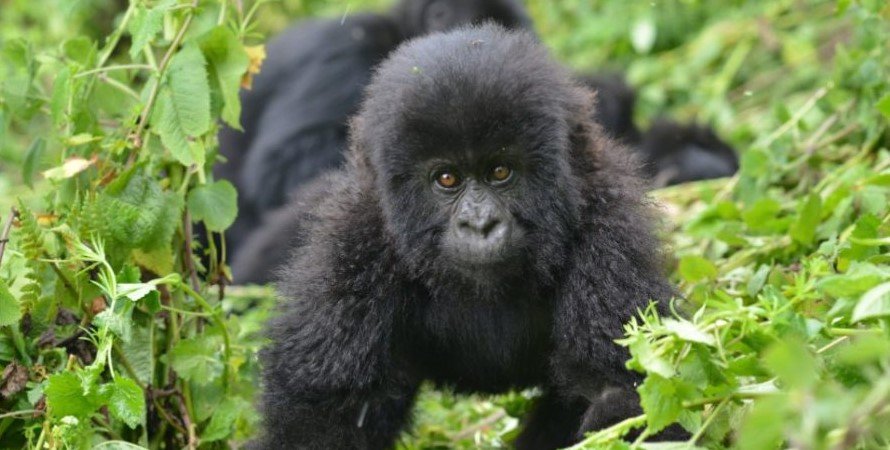
Gorilla trekking is one of Africa’s most thrilling wildlife experiences, giving travelers the opportunity to encounter endangered mountain gorillas in their natural forest habitat. While the gorillas are the main attraction, the experience would not be possible without the dedicated work of park rangers and trackers who operate behind the scenes every day.
Rangers play a vital role in gorilla conservation, visitor safety, wildlife monitoring, and the success of gorilla tourism across East Africa. Whether trekking takes place in Bwindi Impenetrable National Park, Mgahinga Gorilla National Park, or Volcanoes National Park, rangers are essential to every gorilla trekking adventure.
At All Budget Safaris, we deeply appreciate the dedication and professionalism of these conservation heroes who make unforgettable gorilla experiences possible.
Rangers Protect Endangered Gorillas
Mountain Gorilla are among the world’s most endangered primates, and protecting them requires constant monitoring and security. Rangers work tirelessly to safeguard gorilla families from threats such as poaching, habitat destruction, illegal logging, and human encroachment.
Many ranger teams patrol forests daily, checking gorilla movements and ensuring the safety of both habituated and wild gorilla groups. Their efforts have contributed significantly to the gradual recovery of mountain gorilla populations in Uganda, Rwanda, and Congo.
Without ranger protection, gorilla tourism and conservation success would not exist today.
Rangers Guide Visitors During Gorilla Trekking
One of the most visible roles of rangers is guiding tourists during gorilla trekking activities. Every trekking group is assigned experienced ranger guides who lead visitors through dense forests in search of gorilla families.
Before trekking begins, rangers conduct detailed briefings about safety procedures, trekking rules, gorilla behavior, and conservation guidelines. They explain how visitors should behave around gorillas to minimize stress and avoid disturbing the animals.
During the trek, rangers help travelers navigate difficult terrain, identify wildlife, and ensure that everyone follows park regulations.
Their knowledge of the forest and gorilla behavior greatly enhances the trekking experience.
Rangers Ensure Visitor Safety
Gorilla trekking often takes place in remote forests with steep slopes, thick vegetation, and unpredictable wildlife encounters. Rangers are responsible for ensuring visitor safety throughout the journey.
Some ranger teams carry communication equipment and protective gear while accompanying trekking groups. In areas with large wildlife such as forest elephants or buffaloes, armed rangers may also provide additional security.
Rangers know how to respond calmly if a silverback gorilla becomes defensive or if visitors accidentally break trekking rules. Their experience helps maintain peaceful interactions between humans and gorillas.
Travelers often feel more confident and secure knowing trained professionals are guiding them through the forest.
Gorilla Trackers Locate Gorilla Families
Before tourists begin trekking, specialized trackers head into the forest early in the morning to locate gorilla families.
Trackers follow signs such as fresh nests, feeding remains, broken branches, footprints, and vocal calls to determine the gorillas’ location. They then communicate with ranger guides who lead visitors to the gorilla groups.
This behind-the-scenes work is extremely important because gorillas move constantly through dense forest environments.
Thanks to trackers, visitors have a much higher chance of successful gorilla encounters during their safari.
Rangers Support Gorilla Research and Monitoring
Rangers also contribute to scientific research and gorilla monitoring programs. They collect important information about gorilla health, behavior, population growth, feeding habits, and social interactions.
This information helps conservation organizations and wildlife authorities understand the challenges facing gorillas and develop better protection strategies.
In some parks, rangers participate in gorilla habituation programs, where wild gorilla families gradually become accustomed to human presence for tourism and research purposes.
Habituation is a slow process that can take several years and requires patience, experience, and deep understanding of gorilla behavior.
Rangers Educate Tourists About Conservation
Gorilla trekking is not only an adventure activity but also an educational experience. Rangers help visitors understand the importance of wildlife conservation and environmental protection.
During treks, rangers share fascinating information about gorilla families, forest ecosystems, bird species, medicinal plants, and local culture. Many tourists leave with greater appreciation for conservation efforts and the challenges of protecting endangered wildlife.
Ranger education also encourages responsible tourism practices among travelers visiting East Africa.
Rangers Help Reduce Human-Wildlife Conflict
Communities living near gorilla habitats sometimes face challenges such as crop raiding by wildlife or competition for natural resources.
Rangers often work closely with local communities to promote peaceful coexistence between humans and wildlife. They help educate communities about conservation benefits and support programs that encourage sustainable livelihoods through tourism.
Revenue generated from gorilla trekking contributes to schools, health centers, roads, and community projects, helping local people recognize the value of protecting gorillas and forests.
The Challenges Rangers Face
Despite their important work, rangers often face difficult and dangerous conditions. They spend long hours walking through dense forests in all weather conditions while monitoring wildlife and protecting national parks.
Some rangers operate in remote areas with limited resources and face risks from poachers or dangerous wildlife encounters. Others work under physically demanding conditions involving steep terrain, heavy rainfall, and long patrols.
Their commitment and bravery are essential for the continued survival of mountain gorillas and the success of gorilla tourism.
Rangers and Sustainable Tourism
Uganda Wildlife Authority and other conservation organizations depend heavily on ranger teams to manage sustainable tourism activities.
Rangers help regulate the number of visitors, enforce trekking rules, monitor tourist behavior, and protect sensitive habitats from overuse. Their efforts ensure that gorilla tourism remains environmentally responsible while supporting conservation and local economies.
Sustainable tourism allows future generations to continue enjoying unforgettable gorilla encounters in the wild.
Why Rangers Deserve Recognition
Rangers are the true heroes of gorilla conservation. Their hard work, sacrifice, and dedication protect one of the world’s most remarkable wildlife species while creating life-changing experiences for travelers.
Many visitors remember not only the gorillas but also the passion, friendliness, and professionalism of the ranger guides who accompany them through the forest.
Supporting gorilla tourism also supports the ranger teams who work every day to preserve East Africa’s natural heritage.
Experience Gorilla Trekking with All Budget Safaris
At All Budget Safaris, we organize unforgettable gorilla trekking experiences in Uganda, Rwanda, and Congo while supporting responsible tourism and conservation efforts.
Our safari packages include professional guides, gorilla permits, comfortable accommodations, transportation, and carefully planned itineraries designed for memorable adventures.
We work closely with park authorities and ranger teams to ensure safe, ethical, and rewarding wildlife experiences for every traveler.
The next time you embark on a gorilla trekking safari, remember that behind every successful encounter stands a dedicated team of rangers working tirelessly to protect mountain gorillas and their forest home.