
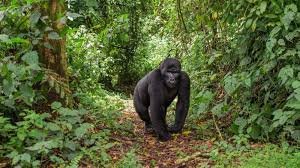
Gorilla trekking is one of the most remarkable wildlife adventures in Africa, offering travelers the rare chance to encounter endangered mountain gorillas in their natural forest habitat. Whether you are trekking in Uganda, Rwanda, or Congo, this experience comes with important responsibilities.
Because Mountain Gorilla are endangered and highly sensitive to human activity, every visitor must follow proper gorilla trekking etiquette. Responsible behavior helps protect gorillas, preserves their environment, and ensures safe and enjoyable encounters for future generations.
At All Budget Safaris, we encourage all travelers to respect wildlife, follow park regulations, and practice responsible tourism throughout their gorilla trekking adventure.
Maintain a Safe Distance from the Gorillas
One of the most important gorilla trekking rules is maintaining a distance of at least 7 meters from the gorillas whenever possible.
Mountain gorillas share almost 98% of human DNA and can easily catch human illnesses such as flu, coughs, and infections. Keeping a safe distance helps protect them from disease transmission.
Although gorillas sometimes move closer to visitors out of curiosity, tourists should never intentionally approach, chase, or touch them. Guides and rangers closely monitor visitor behavior to ensure this rule is respected.
Keep Your Voice Low
Mountain gorillas live in calm forest environments and can become disturbed by loud noises or sudden movements.
While observing gorillas, visitors should speak quietly and avoid shouting, screaming, or excessive talking. Low voices help maintain a peaceful atmosphere and allow tourists to hear natural forest sounds and gorilla vocalizations.
Remaining calm and quiet also helps the gorillas continue their normal activities without stress or fear.
Follow Ranger Instructions at All Times
Every gorilla trekking experience is led by experienced ranger guides who understand gorilla behavior and forest safety.
Visitors should carefully follow all instructions given during the briefing and throughout the trek. Rangers provide guidance on where to stand, how to behave near gorillas, and what to do in unexpected situations.
Ignoring ranger instructions can put both visitors and gorillas at risk.
The expertise of rangers plays a major role in making gorilla trekking safe, educational, and enjoyable.
Do Not Trek When Sick
Uganda Wildlife Authority and other wildlife authorities strictly advise sick visitors not to participate in gorilla trekking.
Even common illnesses such as flu, coughs, sore throats, or fever can seriously threaten gorilla health. Because gorillas are highly vulnerable to human diseases, visitors should honestly report illness symptoms before trekking.
Protecting gorillas should always take priority over personal travel plans.
Avoid Flash Photography
Photography is one of the highlights of gorilla trekking, but flash photography is strictly prohibited.
Bright camera flashes may startle or disturb gorillas, especially infants and younger members of the group. Visitors should switch off flash settings before approaching the gorillas.
Travelers are encouraged to use cameras with good low-light capabilities because forest environments are often shaded and dim.
Never Touch the Gorillas
Even if a gorilla comes very close, visitors should never attempt to touch it.
Physical contact increases the risk of spreading diseases and may also alter the gorillas’ natural behavior. Gorillas are wild animals and should always be treated with respect.
If a curious juvenile gorilla approaches, tourists should remain calm and allow the guides to manage the situation professionally.
Observing gorillas respectfully from a distance creates a more authentic wildlife experience.
Do Not Eat or Drink Near Gorillas
Eating and drinking are not allowed when observing gorillas.
Food particles, leftovers, and packaging materials may introduce diseases or pollute the gorillas’ habitat. Visitors should finish meals and snacks before approaching the gorilla family.
Smoking is also prohibited because it can disturb wildlife and increase fire risks within protected forest areas.
Respect the Gorilla Habitat
Gorilla trekking takes place in delicate rainforest ecosystems that support many wildlife species and plant communities.
Visitors should avoid littering, damaging vegetation, or leaving waste in the forest. Responsible tourism helps preserve gorilla habitats for future generations.
Travelers are encouraged to carry reusable water bottles and dispose of rubbish properly after the trek.
Respecting nature is an important part of sustainable tourism.
Stay with Your Group
During gorilla trekking, visitors should remain with their assigned group and avoid wandering away from guides or trackers.
The forests can be dense and confusing, and separating from the group may create safety risks. Staying together also minimizes disturbance to wildlife and helps guides manage visitor behavior effectively.
Group cooperation contributes to a smoother and safer trekking experience for everyone.
Avoid Direct Eye Contact with Silverbacks
Silverback gorillas are powerful leaders of gorilla families and may sometimes interpret prolonged direct eye contact as a challenge.
If a silverback becomes alert or uncomfortable, visitors should remain calm and follow ranger instructions carefully. In most cases, habituated gorillas remain peaceful when tourists behave respectfully.
Understanding gorilla body language is part of proper trekking etiquette and enhances visitor safety.
Dress Appropriately for Gorilla Trekking
Proper clothing and equipment are important for both comfort and responsible trekking.
Recommended items include:
- Long-sleeved shirts and trousers
- Waterproof hiking boots
- Rain jackets
- Gardening gloves
- Insect repellent
- Drinking water
- Neutral-colored clothing
Bright colors and strong perfumes should be avoided because they may disturb wildlife.
Dressing properly also helps protect visitors from insects, thorny vegetation, and changing weather conditions.
Respect Time Limits with the Gorillas
Visitors are normally allowed only one hour with a gorilla family after locating them.
This time limit helps reduce stress on the gorillas and prevents excessive human interference with their daily routines. Tourists should make the most of the experience while respecting conservation guidelines.
The one-hour encounter is carefully managed to balance tourism with wildlife protection.
Support Conservation and Local Communities
Gorilla trekking is not only about wildlife viewing but also about conservation and community development.
Tourism revenue helps fund conservation projects, anti-poaching patrols, ranger salaries, schools, hospitals, and community initiatives around gorilla habitats.
By following proper etiquette, travelers contribute directly to the protection of gorillas and support local livelihoods.
Responsible tourism ensures that mountain gorillas continue to survive and thrive in the wild.
Why Gorilla Trekking Etiquette Matters
Bwindi Impenetrable National Park, Mgahinga Gorilla National Park, and other gorilla destinations depend heavily on responsible tourism practices.
Good etiquette protects gorillas from disease, stress, and habitat destruction while ensuring visitors enjoy meaningful and safe experiences.
Every tourist has a role to play in preserving these endangered primates and their forest ecosystems.
Respectful behavior creates positive interactions between humans and wildlife and strengthens conservation efforts across East Africa.
Plan Your Gorilla Safari with All Budget Safaris
At All Budget Safaris, we organize unforgettable gorilla trekking adventures in Uganda, Rwanda, and Congo while promoting responsible tourism and wildlife conservation.
Our safari packages include gorilla permits, transportation, accommodations, professional guides, and customized itineraries designed to create memorable African experiences.
We help travelers prepare for their gorilla trek by providing expert advice on trekking etiquette, packing, safety, and conservation practices.
Following proper gorilla trekking etiquette ensures a rewarding, respectful, and life-changing encounter with one of the world’s most extraordinary wildlife species.