
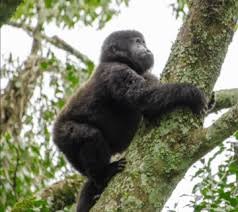
Gorilla trekking is one of Africa’s most exciting wildlife experiences, offering travelers the rare opportunity to encounter endangered mountain gorillas in their natural rainforest habitat. Trekking through the forests of Uganda, Rwanda, or Congo to meet these gentle giants is both thrilling and rewarding. However, gorilla trekking can also be physically demanding, especially for travelers who are not used to hiking in mountainous terrain.
Preparing your body before the safari can make a huge difference in how comfortable and enjoyable your trekking experience becomes. Gorilla trekking involves walking through dense forests, climbing steep slopes, crossing muddy trails, and hiking at high altitudes. While you do not need to be an athlete to participate, improving your fitness before the trek can help you handle the adventure with confidence.
At All Budget Safaris, we encourage travelers to prepare physically and mentally for gorilla trekking to ensure a safe, comfortable, and unforgettable safari experience.
Why Fitness Matters for Gorilla Trekking
Mountain gorillas live deep within tropical rainforests found in mountainous regions such as Bwindi Impenetrable National Park and Mgahinga Gorilla National Park in Uganda, Volcanoes National Park in Rwanda, and Virunga National Park in Congo.
The terrain in these forests can be steep, slippery, and uneven. Depending on the location of the gorilla family, trekking may last anywhere from one hour to several hours. Some hikes are relatively easy, while others require climbing hills and navigating thick vegetation.
Good physical fitness helps travelers manage the demands of the trek, reduce fatigue, and enjoy the experience without excessive strain. Being fit also allows visitors to focus more on the beauty of the forest and the excitement of meeting gorillas rather than struggling with exhaustion.
Start Walking Regularly Before Your Trip
One of the simplest and most effective ways to prepare for gorilla trekking is by walking regularly before your safari. Walking strengthens the legs, improves stamina, and prepares the body for long hours of movement.
Travelers are encouraged to begin daily walks several weeks or months before their trip. Gradually increasing walking distance and pace helps build endurance over time.
If possible, include uphill walks or hiking trails in your routine because gorilla trekking often involves climbing steep slopes and navigating uneven terrain.
Even simple neighborhood walks can significantly improve your fitness level before the trek.
Practice Hiking on Hills and Uneven Terrain
Since gorilla trekking takes place in mountainous forests, practicing hikes on natural trails can help prepare your body for similar conditions.
Hiking on hills strengthens the leg muscles, improves balance, and prepares the body for steep climbs. Uneven trails also help improve coordination and stability, which are important during forest treks.
Travelers who live near parks, hills, or hiking areas should take advantage of these environments during their preparation.
If natural trails are unavailable, climbing stairs regularly can also help simulate the uphill conditions experienced during gorilla trekking.
Improve Your Cardiovascular Endurance
Cardiovascular fitness is important because gorilla trekking may involve several hours of continuous walking at moderate altitudes.
Activities such as jogging, cycling, swimming, dancing, or brisk walking can improve heart and lung function, helping the body use oxygen more efficiently during the trek.
Better cardiovascular endurance reduces breathlessness and fatigue, especially when trekking at higher elevations where the air may feel thinner.
You do not need intense workouts to prepare for gorilla trekking. Consistent moderate exercise several times per week is usually enough for most travelers.
Strengthen Your Leg Muscles
Strong leg muscles are very useful during gorilla trekking because much of the physical effort comes from climbing hills and walking on uneven ground.
Exercises such as squats, lunges, step-ups, and stair climbing help strengthen the thighs, calves, and hips. Strong legs improve stability and reduce muscle fatigue during long hikes.
Core exercises can also improve posture and balance while trekking through difficult terrain.
Travelers who build lower body strength before the safari often find trekking more comfortable and less physically exhausting.
Train While Carrying a Small Backpack
During gorilla trekking, visitors usually carry small backpacks containing water, snacks, cameras, rain jackets, and personal items.
Practicing walks or hikes with a lightweight backpack before your safari can help your body adjust to carrying extra weight during the trek.
This preparation also helps travelers identify comfortable backpacks and learn how to distribute weight properly for easier movement.
Although porters are available during gorilla trekking, getting used to carrying a small bag can still improve overall comfort.
Prepare for High Altitude Conditions
Gorilla trekking destinations are located at relatively high altitudes, often between 2,000 and 4,000 meters above sea level.
At higher elevations, some travelers may experience shortness of breath or quicker fatigue because oxygen levels are lower than at sea level.
Improving cardiovascular fitness before your trip helps your body adapt better to altitude changes. Staying hydrated and maintaining a steady pace during the trek also helps reduce altitude-related discomfort.
Travelers do not need special altitude training, but good overall fitness can make the experience easier.
Stretching and Flexibility Exercises
Stretching exercises are important because they improve flexibility, reduce muscle stiffness, and lower the risk of injury during trekking.
Simple stretching routines focusing on the legs, hips, back, and shoulders can improve mobility and make hiking movements more comfortable.
Yoga and light flexibility exercises are also beneficial for balance, posture, and relaxation before the trek.
Stretching before and after training sessions helps the body recover better and prepares muscles for physical activity.
Maintain a Healthy Lifestyle Before the Safari
Good overall health contributes significantly to successful gorilla trekking. Travelers should aim to maintain healthy eating habits, stay hydrated, and get enough sleep before their safari.
Eating balanced meals with fruits, vegetables, proteins, and healthy carbohydrates helps support energy levels during training and trekking.
Avoiding excessive alcohol consumption and smoking before the trip can also improve lung function and stamina.
A healthy body is better prepared to handle physical challenges and recover quickly after long hikes.
Mental Preparation is Equally Important
Gorilla trekking is not only physically demanding but also mentally challenging at times. The unpredictable nature of the trek means visitors may hike for longer than expected through dense forests and changing weather conditions.
Having a positive mindset and realistic expectations can make the experience more enjoyable. Travelers should understand that the trek may involve muddy trails, rain, steep slopes, and physical effort.
Patience, determination, and enthusiasm help many travelers successfully complete the trek regardless of fitness level.
The excitement of finally meeting mountain gorillas in the wild makes every challenge worthwhile.
Hire a Porter During the Trek
Even physically fit travelers are encouraged to hire porters during gorilla trekking. Porters help carry bags and provide support on difficult sections of the trail.
They can assist trekkers when climbing steep slopes, crossing muddy areas, or navigating slippery terrain. This reduces physical strain and makes the hike more manageable.
Hiring a porter also supports local communities around the national parks by creating employment opportunities through tourism.
At All Budget Safaris, we highly recommend porter services for both comfort and community support.
Choose the Right Gorilla Group for Your Fitness Level
Park authorities often assign gorilla groups based on visitor fitness levels and trekking preferences.
Travelers who prefer easier hikes can request gorilla families located closer to the starting point, while more adventurous hikers may choose groups located deeper within the forest.
Communicating honestly about your fitness level during the briefing helps guides select the most suitable trekking group for you.
This ensures a more enjoyable experience for all participants.
Essential Gear for Comfortable Trekking
The right trekking gear can make gorilla trekking easier and more comfortable. Good hiking boots with strong grip are essential for walking on muddy and uneven trails.
Lightweight waterproof jackets protect against sudden rain showers common in tropical forests. Long-sleeved shirts and trousers help protect against insects and thorny vegetation.
Walking sticks are usually provided at the park headquarters and offer extra balance during steep climbs.
Carrying enough drinking water and energy snacks is also important for staying hydrated and energized during the trek.
Gorilla Trekking is Achievable for Most Travelers
Many people worry that gorilla trekking may be too difficult for them, but the truth is that travelers of different ages and fitness levels successfully complete treks every year.
The guides move at manageable speeds and allow regular rest breaks throughout the hike. Visitors are not expected to rush or compete during the trek.
With basic preparation, proper gear, and a positive attitude, most travelers can comfortably enjoy the gorilla trekking experience.
Even older travelers often complete treks successfully with the help of guides, porters, and support services.