
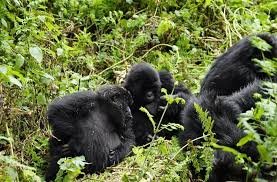
Gorilla trekking is one of Africa’s most extraordinary wildlife experiences, giving travelers the chance to meet endangered mountain gorillas in their natural rainforest habitat. Every year, thousands of visitors travel to Uganda, Rwanda, and Congo hoping to enjoy a close encounter with these gentle giants. One common concern among travelers planning their safari is the possibility of not finding gorillas during the trek.
The good news is that gorilla sightings are extremely successful, with tracking success rates often exceeding 95% in destinations such as Uganda’s Bwindi Impenetrable National Park and Rwanda’s Volcanoes National Park. Gorilla trekking is highly organized, and experienced ranger guides work hard to ensure visitors locate gorilla families during their adventure.
At All Budget Safaris, we understand that travelers invest significant time and money into gorilla trekking experiences, so we help explain how the tracking process works and what happens if gorillas are not found during the trek.
Why Gorilla Sightings Are Usually Successful
Mountain gorilla trekking is different from ordinary wildlife safaris because the gorillas being tracked belong to habituated families. Habituated gorillas are groups that have gradually become comfortable with human presence through years of careful conservation work and monitoring.
Park rangers and trackers closely monitor these gorilla families every day. Early each morning, advance trackers enter the forest to locate the gorillas before tourists begin trekking.
The trackers communicate with ranger guides using radios and provide updates about the movement and location of the gorilla family. This organized system makes gorilla sightings highly successful compared to many other wildlife experiences.
Because gorillas are constantly monitored, visitors almost always find them during the trek.
Can Gorilla Trekking Sometimes Take Longer?
Although gorilla sightings are highly successful, finding the gorillas may sometimes take longer than expected. Gorilla families move freely through the forest in search of food, shelter, and resting areas.
On some days, the gorillas may travel deeper into the forest or climb higher into mountainous areas, requiring trekkers to hike for several hours before reaching them.
Weather conditions, forest terrain, and the movement patterns of the gorillas can also affect the duration of the trek.
Even when the hike becomes challenging, ranger guides remain determined to locate the gorilla family and usually succeed before the end of the day.
What Happens If Gorillas Cannot Be Found?
Cases where tourists completely fail to find gorillas are extremely rare. However, in the unlikely event that a gorilla family cannot be located, park authorities carefully evaluate the situation.
The response may depend on factors such as weather conditions, safety concerns, or unusual gorilla movement patterns. Sometimes park authorities may offer another trekking opportunity on a different day if circumstances allow.
In certain situations, partial refunds or rescheduling options may also be considered depending on the policies of the wildlife authority managing the park.
However, because gorilla tracking teams monitor the families daily, total failure to find gorillas is highly uncommon.
How Rangers and Trackers Increase Success Rates
The expertise of ranger guides and trackers plays a major role in the success of gorilla trekking.
Before visitors begin trekking, experienced trackers head into the forest early in the morning to locate the gorillas. These trackers follow fresh signs such as gorilla nests, broken branches, footprints, feeding remains, and vocal sounds.
Once the gorilla family is found, trackers guide the trekking teams toward the location through radio communication.
Ranger guides are also highly knowledgeable about gorilla behavior and forest navigation. Their experience allows them to predict gorilla movement patterns and choose the best trekking routes for visitors.
This teamwork between trackers and guides makes gorilla trekking one of the most reliable wildlife encounters in Africa.
Why Gorillas Sometimes Move Long Distances
Mountain gorillas are wild animals that move naturally within their home ranges. Their movement is usually influenced by food availability, weather conditions, social interactions, and resting preferences.
During certain seasons, gorillas may travel further while searching for fresh vegetation, fruits, or bamboo shoots. Heavy rain or disturbances within the forest may also cause temporary movement to different areas.
Even though the gorillas move regularly, trackers remain familiar with their general territories and movement habits, which helps maintain high tracking success rates.
Does Weather Affect Gorilla Sightings?
Weather conditions can sometimes influence trekking difficulty, but they rarely prevent gorilla sightings altogether.
During rainy seasons, trails may become muddy and slippery, making hiking more physically demanding. However, gorillas are still actively monitored, and trekkers usually find them successfully.
In fact, during rainy months, gorillas may remain closer to lower slopes where food is abundant, which can sometimes shorten trekking distances.
Rainforest weather is often unpredictable, so travelers should always prepare for changing conditions regardless of the season.
Are Some Gorilla Families Easier to Find Than Others?
Yes, some gorilla families are easier to locate depending on their behavior and habitat range.
Certain habituated groups tend to remain within accessible areas closer to the trekking starting points, while others roam deeper into the forest or mountainous terrain.
Park authorities often assign gorilla groups based on visitor fitness levels and trekking preferences. Travelers seeking easier hikes may be allocated groups known for shorter trekking distances.
At All Budget Safaris, we help clients choose trekking sectors that best match their comfort levels and safari expectations.
What If You Get Too Tired During the Trek?
Sometimes trekkers may feel physically exhausted before reaching the gorillas, especially during longer hikes through steep terrain.
In such situations, ranger guides usually allow regular breaks to help visitors rest and recover. Guides are trained to move at manageable speeds suitable for the group’s fitness levels.
For travelers with mobility challenges or difficulty hiking, sedan chair services carried by local porters are available in Uganda and Rwanda. These services allow visitors to continue the trek comfortably even on difficult terrain.
Hiring a porter can also reduce physical strain because they help carry backpacks and assist trekkers through challenging sections of the trail.
Gorilla Trekking is About More Than Just Finding Gorillas
Although meeting mountain gorillas is the main highlight of the trek, the entire forest experience is rewarding in itself.
Trekkers often encounter beautiful rainforest scenery, waterfalls, birds, butterflies, monkeys, and unique plant species along the way. The forests of Bwindi, Volcanoes, and Virunga are rich ecosystems filled with biodiversity and natural beauty.
The adventure of hiking through ancient rainforests guided by experienced rangers adds excitement and discovery to the overall safari experience.
Even before reaching the gorillas, many travelers already find the journey itself unforgettable.
Emotional Impact of Seeing Gorillas in the Wild
When trekkers finally encounter mountain gorillas, the experience becomes deeply emotional and unforgettable. Watching gorillas feed, groom, play, and interact at close range creates a powerful connection between humans and wildlife.
Many travelers describe the encounter as life-changing because of the gorillas’ intelligence, calm nature, and human-like behavior.
The effort of trekking through the forest often makes the final encounter even more rewarding. Every muddy trail, steep climb, and long walk suddenly feels worthwhile once the gorillas appear before you.
Tips to Increase Your Gorilla Trekking Experience
Although sightings are highly successful, proper preparation can help improve your overall trekking experience.
Booking your safari with experienced tour operators like All Budget Safaris ensures proper planning, reliable guides, and suitable trekking arrangements.
Travelers should also prepare physically before the safari through walking or hiking exercises. Wearing proper hiking boots and carrying waterproof gear can make trekking more comfortable.
Maintaining a positive attitude and realistic expectations is important because gorilla trekking is an adventurous wildlife experience rather than a guaranteed zoo-style encounter.
Fortunately, the professionalism of trackers and conservation teams means that actual gorilla sightings are almost always achieved.
Conservation Efforts Help Protect Gorilla Populations
The success of gorilla trekking today is largely due to decades of conservation efforts by wildlife authorities, researchers, local communities, and tourism stakeholders.
Mountain gorilla populations have steadily increased in recent years thanks to anti-poaching measures, veterinary care, habitat protection, and responsible tourism practices.
Tourism revenue from gorilla trekking permits directly supports conservation programs and community development around protected areas.
By participating in gorilla trekking, visitors contribute to the long-term survival of these endangered primates and their forest habitats.