
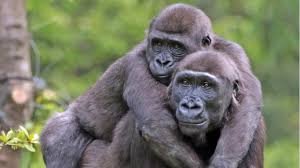
Mountain gorillas are among the most fascinating and intelligent animals on Earth. Found in the misty rainforests of Uganda, Rwanda, and Congo, these endangered primates share approximately 98% of their DNA with humans. Their remarkable similarities to people can be seen in their emotions, social interactions, communication, parenting styles, and even problem-solving abilities.
For travelers joining gorilla trekking safaris, observing gorilla behavior in the wild is often one of the most emotional and unforgettable wildlife experiences. Watching a gorilla family interact naturally offers valuable insight into the social and scientific complexity of these gentle giants.
At All Budget Safaris, we believe understanding gorilla behavior helps travelers appreciate not only the beauty of gorilla trekking but also the importance of conservation efforts protecting these incredible primates.
Gorillas are Highly Intelligent Primates
Gorillas belong to the great ape family, which also includes chimpanzees, orangutans, and humans. Scientific studies have shown that gorillas possess advanced intelligence and emotional awareness.
Researchers have observed gorillas using tools, learning sign language in captivity, recognizing individual relationships, and displaying strong memory skills. Gorillas can solve simple problems, understand routines, and adapt their behavior based on changing situations in their environment.
Their intelligence is especially visible in the wild when they communicate with group members, organize family movement, and respond calmly or aggressively depending on social situations.
Mountain gorillas also demonstrate curiosity and awareness of human presence during gorilla trekking encounters, which is why strict trekking rules are important to minimize disturbance.
Gorilla Families and Social Structure
One of the most interesting scientific aspects of gorilla behavior is their highly organized social structure. Gorillas live in stable family groups led by a dominant adult male known as a silverback.
The silverback is usually the strongest and most experienced member of the group. His responsibilities include protecting the family, making decisions about feeding locations, guiding movement, and resolving conflicts within the group.
A typical gorilla family may consist of several females, infants, juveniles, and younger males called blackbacks. Some groups contain over twenty members living together peacefully within the forest.
Scientists have found that gorilla family bonds are very strong. Group members spend time grooming, resting, feeding, and playing together, which helps strengthen social relationships and maintain harmony.
The Role of the Silverback Gorilla
The silverback plays a central role in gorilla society and behavior. As the leader, he ensures the safety and stability of the entire family group.
Silverbacks are known for their calm and protective nature. They rarely display aggression unless the family feels threatened. When danger approaches, the silverback may beat his chest, roar loudly, or charge to scare away threats.
Interestingly, chest beating is not always a sign of aggression. Scientists believe gorillas also use chest beating as a form of communication to demonstrate strength, attract mates, or maintain dominance within social groups.
The silverback also acts as a father figure within the family. He often protects infants, settles disputes, and comforts younger gorillas during stressful situations.
Gorilla Communication and Body Language
Gorillas communicate using a complex combination of vocal sounds, facial expressions, gestures, and body movements. Scientists have identified over twenty different vocalizations used by gorillas to express emotions and intentions.
Soft grunts are commonly used during feeding to maintain peaceful contact among group members. Loud barks or screams may signal danger or fear, while playful sounds are often heard when juveniles interact.
Facial expressions also play an important role in gorilla communication. Gorillas use eye contact, lip movements, and posture to communicate dominance, submission, curiosity, or affection.
Body language is especially important during encounters between gorilla groups or when responding to unfamiliar situations. A relaxed gorilla usually avoids direct aggression and prefers peaceful interaction whenever possible.
During gorilla trekking, guides carefully observe gorilla body language to ensure visitors remain safe and respectful around the animals.
Emotional Intelligence in Gorillas
Scientific research has revealed that gorillas experience a wide range of emotions similar to humans. They display affection, sadness, joy, fear, jealousy, curiosity, and empathy.
Mother gorillas form strong emotional bonds with their infants, caring for them with remarkable patience and protection. Young gorillas enjoy playing, wrestling, climbing trees, and exploring their environment much like human children.
Researchers have also documented grieving behavior among gorillas after the loss of family members. Some gorillas become withdrawn, quiet, or emotionally distressed following the death of close relatives.
These emotional similarities are one reason many travelers feel deeply connected to gorillas during trekking experiences.
Feeding Habits and Dietary Behaviour
Mountain gorillas are primarily herbivores, feeding mostly on leaves, stems, bamboo shoots, fruits, roots, and wild celery. An adult gorilla can consume large amounts of vegetation daily to maintain its massive body size.
Scientists have observed that gorillas spend much of their day feeding and resting. Their slow and peaceful feeding behavior helps conserve energy while processing fibrous plant materials.
Different gorilla groups may develop feeding preferences depending on food availability within their territory. Seasonal changes can also influence movement patterns as gorillas search for fresh vegetation.
Interestingly, gorillas rarely need to drink water directly because they obtain most of their moisture from the plants they consume.
Gorilla Parenting and Infant Development
Gorilla parenting behavior is another fascinating area of scientific study. Female gorillas are highly protective mothers who care for their infants for several years.
Baby gorillas remain close to their mothers after birth and depend on them for feeding, protection, warmth, and learning social behavior. Infant gorillas begin riding on their mothers’ backs after a few months and continue developing physical and social skills through play.
Young gorillas learn important survival behaviors by observing adults within the family group. This learning process includes feeding habits, communication methods, climbing skills, and social interaction.
Scientists believe social learning plays a major role in gorilla development and family stability.
Why Gorillas are Generally Peaceful Animals
Despite their enormous size and strength, gorillas are naturally peaceful and shy animals. Scientific studies show that gorillas avoid unnecessary conflict whenever possible.
Aggressive behavior usually occurs only when gorillas feel threatened, challenged, or protective of their family members. In most situations, gorillas prefer calm communication and warning displays over physical confrontation.
This peaceful nature is one reason gorilla trekking is considered relatively safe when visitors follow ranger instructions and respect gorilla space.
The calm behavior of mountain gorillas also highlights their intelligence and strong social understanding within the group.
Gorilla Behaviour During Trekking Encounters
During gorilla trekking safaris, visitors often observe many natural gorilla behaviors at close range. Gorillas may continue feeding, grooming, playing, or resting even while tourists are nearby.
Some gorillas display curiosity toward human visitors, especially younger juveniles that enjoy observing unfamiliar movement and sounds.
However, experienced guides ensure tourists maintain safe distances and avoid sudden movements that could disturb the gorillas.
Scientists and conservationists carefully monitor trekking activities to ensure tourism does not negatively affect gorilla behavior or health.
Responsible gorilla tourism helps balance wildlife conservation with visitor experiences.
The Importance of Gorilla Conservation Research
Scientific research has played a major role in saving mountain gorillas from extinction. Decades ago, gorilla populations declined significantly because of habitat destruction, poaching, disease, and political instability.
Today, conservation organizations, researchers, governments, and local communities work together to protect gorilla habitats and monitor gorilla health and behavior.
Research helps scientists understand gorilla reproduction, feeding patterns, disease risks, social behavior, and habitat needs. This knowledge supports better conservation strategies and tourism management.
Thanks to conservation efforts, mountain gorilla populations have gradually increased in recent years, giving hope for the future survival of the species.
What Gorilla Behaviour Teaches Humans
Studying gorillas provides valuable insight into human evolution, social relationships, communication, and emotional intelligence.
The similarities between gorillas and humans remind people of the deep connection shared between humans and the natural world. Gorilla families demonstrate cooperation, parenting, leadership, empathy, and peaceful coexistence within their communities.
Many travelers leave gorilla trekking experiences with greater appreciation for wildlife conservation and environmental protection.
The emotional connection created through observing gorilla behavior often inspires lifelong support for conservation initiatives.
Best Places to Observe Gorilla Behaviour
Uganda is one of the best destinations for observing natural gorilla behavior in the wild. Bwindi Impenetrable National Park and Mgahinga Gorilla National Park offer unforgettable gorilla trekking experiences in beautiful rainforest environments.
Rwanda’s Volcanoes National Park is also famous for accessible gorilla trekking and luxury safari experiences.
Virunga National Park in Congo provides adventurous travelers with opportunities to encounter gorillas within dramatic volcanic landscapes.
At All Budget Safaris, we organize professionally guided gorilla trekking safaris that allow visitors to safely observe gorilla behavior while supporting conservation efforts across East Africa.