
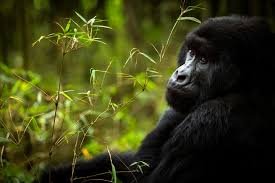
Gorilla trekking is one of the most expensive wildlife experiences in Africa, yet it consistently ranks as one of the most life-changing adventures for travelers. Many people planning a safari to Uganda, Rwanda, or Congo often ask whether the cost is justified. To answer this properly, it is important to look beyond the price and understand what you actually receive in return.
At All Budget Safaris, we regularly guide travelers through this decision, helping them understand the real value of gorilla trekking in terms of experience, conservation impact, and long-term memories.
Understanding the Cost of Gorilla Trekking
Gorilla trekking costs vary depending on the destination.
In Uganda, a gorilla trekking permit is generally more affordable compared to Rwanda, while Congo offers the lowest prices but with more adventurous travel conditions.
The cost typically includes:
- Park entry fees
- Professional ranger guides
- Security and conservation services
- One hour with a habituated gorilla family
- Support for local communities and conservation projects
In addition to the permit, travelers also pay for accommodation, transport, and tour packages, which makes gorilla trekking a premium safari experience.
While the upfront cost may seem high, it is important to understand what this money supports.
What You Actually Get for the Price
Unlike many other wildlife experiences, gorilla trekking offers a rare, controlled, and deeply immersive encounter with wild animals in their natural habitat.
Your experience includes:
- A guided trek through tropical rainforest
- Expert tracking by experienced rangers
- A guaranteed encounter with a habituated gorilla family (in most cases)
- One full hour observing gorilla behavior at close range
- A once-in-a-lifetime wildlife experience in one of the world’s most biodiverse ecosystems
Very few wildlife experiences in the world offer this level of intimacy with endangered animals.
The Rarity of Mountain Gorillas
One major reason gorilla trekking is expensive is because mountain gorillas are extremely rare.
There are only just over 1,000 mountain gorillas left in the world, all found in a small region shared by Uganda, Rwanda, and Congo.
Because of their endangered status:
- Strict visitor limits are enforced
- Group sizes are controlled
- Daily monitoring and protection systems are required
- Conservation efforts are highly funded
This makes gorilla trekking not just a tourist activity, but a carefully managed conservation experience.
The Emotional Value of the Experience
While financial cost is easy to measure, emotional value is not.
Most travelers describe gorilla trekking as:
- Life-changing
- Deeply emotional
- Unexpectedly powerful
- One of the best wildlife experiences on Earth
Standing just meters away from a silverback, watching a mother care for her infant, or observing playful juveniles creates a connection that is difficult to compare with any other safari experience.
Many visitors say the moment they meet gorillas in the wild is worth far more than the cost of the permit itself.
Conservation Impact – Your Money Saves Gorillas
One of the most important reasons gorilla trekking is worth the money is its direct impact on conservation.
Permit fees help fund:
- Anti-poaching patrols
- Veterinary care for gorillas
- Habitat protection
- Research and monitoring programs
- Community development around national parks
Thanks to tourism revenue, mountain gorilla populations have increased in recent years, making them one of the few great ape species with a growing population trend.
In simple terms, every gorilla trekking permit directly contributes to saving the species.
Supporting Local Communities
Gorilla trekking is not only about wildlife—it also supports thousands of local people living near national parks.
Revenue from tourism helps:
- Create jobs for guides, porters, and rangers
- Improve schools and healthcare facilities
- Support infrastructure development
- Provide alternative livelihoods that reduce poaching pressure
Hiring porters during the trek also directly supports families in rural communities.
This means your investment goes far beyond tourism—it contributes to long-term human development.
The Adventure and Physical Experience
Unlike a simple game drive, gorilla trekking is an active adventure.
You hike through:
- Dense rainforest
- Steep hills
- Muddy trails
- Thick vegetation
The physical effort adds to the sense of achievement when you finally meet the gorillas.
For many travelers, the journey itself becomes part of the reward. The combination of hiking, nature immersion, and wildlife encounter makes the experience unique compared to traditional safaris.
Comparison with Other Wildlife Experiences
When compared to other safari activities:
- Game drives allow viewing multiple animals but from a distance
- Boat cruises offer scenic wildlife viewing
- Gorilla trekking offers direct, close-range interaction with one of the world’s rarest animals
Few experiences in the world allow you to sit quietly just meters away from a wild silverback gorilla family in their natural habitat.
This exclusivity is what makes gorilla trekking truly special.
When Gorilla Trekking May Feel Expensive
Gorilla trekking may feel expensive if:
- You are on a very tight budget
- You are expecting luxury-level comfort included in the permit
- You are comparing it only to cheaper safari activities
However, when viewed as a complete experience—including conservation value, rarity, and emotional impact—it offers strong long-term value.
Budget Tips to Make It More Affordable
There are ways to reduce the overall cost of gorilla trekking:
- Choose Uganda instead of Rwanda for lower permit prices
- Travel during low season for discounted accommodation
- Join group tours instead of private safaris
- Book early to secure better rates
- Combine gorilla trekking with other activities to maximize value
At All Budget Safaris, we specialize in designing affordable gorilla trekking packages without compromising the experience.
Is It Worth It? The Honest Answer
Yes—gorilla trekking is worth the money for most travelers, especially those seeking unique wildlife experiences.
It is not just about seeing animals. It is about:
- Witnessing rare endangered species in the wild
- Supporting global conservation efforts
- Experiencing a powerful emotional connection with nature
- Creating lifelong memories that cannot be replicated elsewhere
Few travel experiences combine adventure, conservation, education, and emotional impact in such a powerful way.