
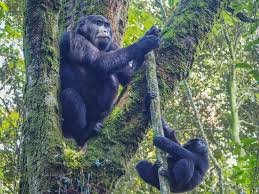
Gorilla trekking is one of Africa’s most extraordinary wildlife experiences, attracting travelers from all over the world to destinations like Uganda and Rwanda. Despite its growing popularity, many misconceptions still surround the activity. These myths often discourage travelers from experiencing one of the most unforgettable adventures on earth.
The truth is that gorilla trekking is safe, well-organized, and accessible to many different types of travelers. Understanding the facts behind these myths helps visitors prepare better and enjoy the experience with confidence.
At All Budget Safaris, we guide travelers through incredible gorilla trekking adventures in Uganda while helping them understand what the experience is truly like.
Myth 1: Gorilla Trekking is Extremely Dangerous
One of the most common myths is that gorilla trekking is highly dangerous because mountain gorillas are wild animals. While gorillas are indeed powerful primates, habituated gorilla families used for tourism are carefully monitored and accustomed to human presence.
Experienced ranger guides accompany visitors throughout the trek and ensure that safety rules are followed at all times. Mountain gorillas are generally calm and peaceful animals when treated respectfully.
In fact, gorilla trekking in destinations like Bwindi Impenetrable National Park and Mgahinga Gorilla National Park has an excellent safety record.
Myth 2: Gorilla Trekking Requires Extreme Fitness
Many people believe they must be athletes or expert hikers to participate in gorilla trekking. While some treks can be physically challenging, gorilla trekking is suitable for a wide range of fitness levels.
Park authorities assign visitors to gorilla families based on their physical ability and preferences. Some gorilla groups are located closer to trekking starting points, making them easier to reach.
Visitors can also hire porters to help carry bags and provide support along steep or muddy trails. Taking breaks during the hike is completely normal, and guides move at a pace comfortable for the group.
Myth 3: Gorilla Sightings Are Never Guaranteed
Some travelers worry that they may spend hours hiking without seeing gorillas. In reality, gorilla sightings in Uganda are extremely successful because ranger teams track gorilla families daily.
Habituated gorilla groups are monitored regularly, making it highly likely that visitors will find them during the trek. Success rates for gorilla sightings are usually above 95%.
Trackers often begin locating gorillas early in the morning before tourists start trekking, improving the chances of successful encounters.
Myth 4: Gorilla Trekking is Only for Luxury Travelers
Although gorilla trekking can be expensive, it is not reserved only for luxury tourists. Uganda offers a variety of affordable safari options suitable for budget travelers, families, couples, and solo adventurers.
Budget lodges, group tours, and affordable transportation options make gorilla trekking more accessible than many people think. Uganda’s gorilla permits are also more affordable compared to some neighboring countries.
At All Budget Safaris, we organize customized budget gorilla trekking tours that allow travelers to enjoy incredible experiences without overspending.
Myth 5: Gorillas are Aggressive Toward Humans
Movies and documentaries sometimes portray gorillas as aggressive animals, creating fear among first-time visitors. However, mountain gorillas are naturally gentle and social creatures.
Silverbacks, which are the dominant males in gorilla families, are mainly protective rather than violent. Rangers understand gorilla behavior very well and guide visitors on how to behave during encounters.
As long as visitors follow instructions such as maintaining a safe distance and remaining calm, gorilla interactions are peaceful and safe.
Myth 6: Gorilla Trekking is Bad for Gorilla Conservation
Some people assume tourism harms gorillas by disturbing their natural environment. In reality, responsible gorilla tourism plays a major role in conservation.
Revenue generated from gorilla permits helps fund park protection, anti-poaching patrols, veterinary care, and conservation education programs. Local communities also benefit through employment opportunities and tourism-related businesses.
Because gorillas generate valuable tourism income, governments and communities have stronger motivation to protect them and their habitats.
Myth 7: You Can Touch or Interact Closely with Gorillas
Another misconception is that visitors can touch, hug, or closely interact with gorillas. Gorilla trekking rules strictly prohibit physical contact with gorillas.
Visitors must maintain a safe distance of at least seven meters to reduce stress on the animals and prevent disease transmission. Gorillas share much of their DNA with humans and are vulnerable to human illnesses.
Even though gorillas may occasionally move closer out of curiosity, visitors are expected to remain calm and avoid direct interaction.
Myth 8: Gorilla Trekking is Only Available in Uganda
While Uganda is one of the best destinations for gorilla trekking, it is not the only country where the activity takes place. Mountain gorillas are also found in Rwanda and the Democratic Republic of Congo.
However, Uganda remains especially popular because it offers excellent trekking experiences, diverse safari options, and relatively affordable permits.
Many travelers choose Uganda because they can combine gorilla trekking with wildlife safaris, chimpanzee tracking, and cultural experiences.
Myth 9: Gorilla Trekking is Always Muddy and Miserable
Although trekking takes place in tropical rainforests, conditions are not always muddy or uncomfortable. During the dry seasons from June to September and December to February, trails are often easier to navigate.
Even during rainy periods, proper hiking gear makes trekking manageable and enjoyable. Waterproof boots, rain jackets, and appropriate clothing help visitors stay comfortable.
Many travelers actually enjoy the rainforest atmosphere, fresh air, and adventure that come with hiking through natural forests.
Myth 10: Gorilla Trekking is Only About Seeing Gorillas
While gorillas are the main attraction, the overall trekking experience includes much more than just observing primates. Visitors enjoy scenic mountain views, waterfalls, birdlife, butterflies, and unique forest ecosystems.
The journey through the rainforest itself becomes part of the adventure. Many trekkers also experience cultural encounters with local communities such as the Batwa people.
Destinations like Kibale National Park, Queen Elizabeth National Park, and Lake Bunyonyi can also be added to gorilla trekking itineraries for more complete safari experiences.
Myth 11: Children Can Freely Participate in Gorilla Trekking
Some people think gorilla trekking is open to all ages, including very young children. In Uganda, the minimum age for gorilla trekking is 15 years.
This rule exists because trekking can be physically demanding and requires emotional maturity to follow safety guidelines around gorillas.
Families traveling with younger children often arrange alternative activities while older family members participate in trekking.
Myth 12: One Hour with Gorillas is Too Short
Visitors sometimes worry that spending only one hour with gorillas will not be enough. However, the experience is incredibly intense and memorable.
Watching gorillas feed, groom, play, and interact at close range creates emotional moments that feel much longer than one hour. The time limit also helps reduce stress on the animals and supports conservation efforts.
For travelers wanting longer experiences, Uganda also offers gorilla habituation experiences where visitors can spend more time with gorillas under research supervision.
Best Time for Gorilla Trekking
Gorilla trekking can be done throughout the year, but many travelers prefer the dry seasons because trails are easier to hike. The forests remain beautiful year-round, and gorilla sightings are possible in every season.
Booking permits early is highly recommended, especially during peak travel periods when demand is high.
Final Thoughts on Gorilla Trekking Myths
Many myths about gorilla trekking come from misunderstandings, outdated information, or fear of the unknown. In reality, gorilla trekking is a safe, organized, and deeply rewarding wildlife experience suitable for many types of travelers.
The opportunity to stand quietly in a rainforest while observing endangered mountain gorillas in their natural habitat is truly unforgettable. Beyond the adventure itself, gorilla trekking also contributes directly to wildlife conservation and community development.
At All Budget Safaris, we help travelers plan affordable and memorable gorilla trekking experiences in Uganda. Whether you are a first-time visitor or an experienced safari traveler, understanding the truth behind these myths can help you enjoy your gorilla adventure with confidence and excitement.