
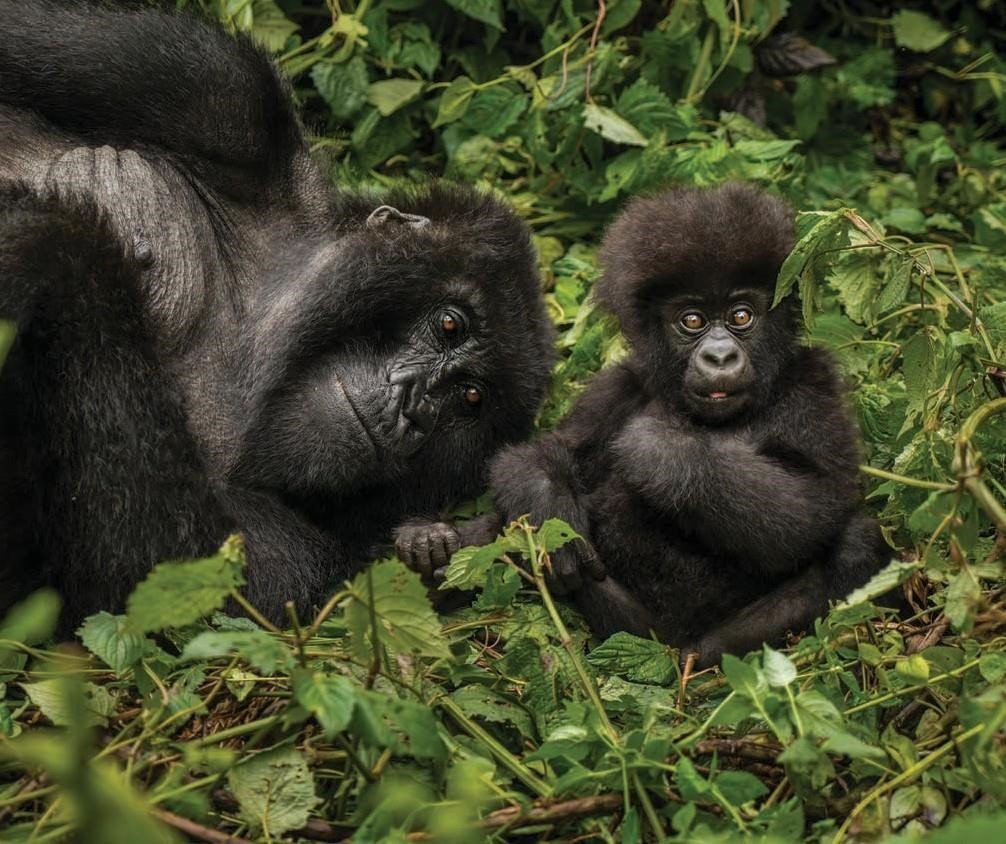
Mountain gorilla conservation efforts in Uganda are among the most successful wildlife protection stories in the world. The country is home to over half of the remaining mountain gorillas. Bwindi Impenetrable Forest and Mgahinga Gorilla National Park are their sanctuaries. Through dedicated anti-poaching patrols, community engagement, and tourism revenue, Uganda has helped the gorilla population grow. Your visit directly supports this work.
Conservation in Uganda is managed by the Uganda Wildlife Authority. They oversee ranger patrols, veterinary care, and community revenue sharing. The model is simple. Gorillas generate income through tourism. That income funds their protection. This guide explains the key conservation efforts. You will understand how your permit fee makes a real difference.
Anti-Poaching and Law Enforcement
Rangers patrol the parks daily. They remove snares set for other animals that can injure gorillas. They guard against poachers and illegal loggers. The patrols are often dangerous. Rangers work in rugged terrain for weeks at a time. Tourism revenue funds their salaries, equipment, and training. This constant presence deters illegal activity. The gorillas are safer because rangers are always watching.
In addition, the Uganda Wildlife Authority works with local police and courts. Poachers face severe penalties. This strict enforcement sends a clear message. Gorillas are protected by law. Mountain gorilla conservation efforts in Uganda rely on this robust security framework.
Veterinary Care and Health Monitoring
Gorillas are vulnerable to human diseases. Veterinarians monitor their health regularly. They treat injuries from snares or fights. They intervene when a gorilla is sick. This care has saved many lives. The Gorilla Doctors organisation works alongside UWA. They are on call twenty-four hours a day. Your permit fee helps fund their vital work.
Moreover, strict health rules apply to trekkers. You must keep a distance and not trek when sick. These rules protect gorillas from respiratory infections. Mountain gorilla conservation efforts in Uganda include both reactive care and preventive measures.
Community Revenue Sharing
Twenty percent of park fees are shared with local communities. This builds schools, health centres, and water projects. Communities see tangible benefits from gorilla tourism. Former poachers now work as guides and porters. They have a stake in gorilla survival. The incentive to protect the forest is stronger than the incentive to destroy it. This shift is central to conservation success.
Furthermore, community projects reduce pressure on the forest. Alternative livelihoods like craft-making and beekeeping are supported. Mountain gorilla conservation efforts in Uganda recognise that people and gorillas must thrive together.
Research and Habituation
Research underpins all conservation work. Scientists study gorilla behaviour, genetics, and ecology. This knowledge guides management decisions. The habituation process itself is a conservation tool. Habituated gorillas are monitored daily. Their protection is constant. The gorilla habituation experience funds further habituation. It is a cycle of research, tourism, and protection.
Therefore, Uganda’s conservation model works. Mountain gorilla conservation efforts in Uganda have helped the population grow. Your visit is part of this remarkable success story.