
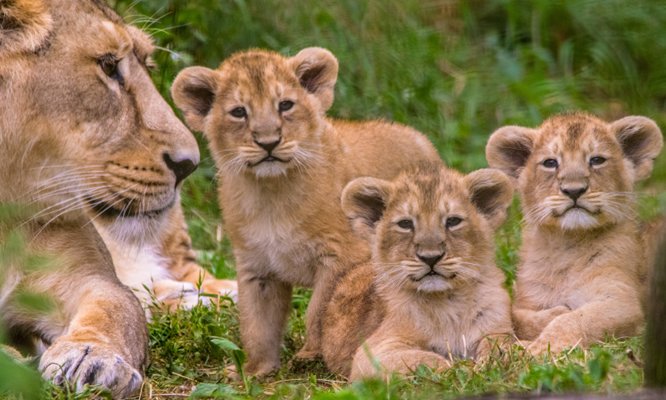
Wildlife safaris in Akagera National Park reveal Rwanda’s only savannah wilderness. The park sits in the east of the country, bordering Tanzania. It covers over one thousand square kilometers. Its landscapes range from open plains to swamps and lakes. Akagera has undergone a remarkable transformation. It is now a Big Five destination. Lions, rhinos, elephants, buffalo, and leopards all live here. Your visit supports this conservation success story.
Akagera is easily accessible from Kigali. The drive takes about two and a half hours. This makes it perfect for a short safari before or after gorilla trekking. You experience a completely different side of Rwanda. The eastern savannah contrasts with the misty volcanoes of the north. This guide covers the wildlife, activities, and practical information for visiting Akagera. Your Rwandan safari becomes a complete adventure.
The Remarkable Comeback Story
Akagera was devastated in the years after the 1994 genocide. Returning refugees occupied much of the park. Wildlife was poached heavily. Lions were wiped out entirely. Rhinos disappeared. The park’s future looked bleak. African Parks took over management in 2010. They worked with the Rwanda Development Board to restore it. Fencing, law enforcement, and community engagement transformed Akagera. Wildlife populations have rebounded dramatically. This partnership model is now celebrated across Africa.
Lions were reintroduced in 2015. Black rhinos followed in 2017. White rhinos arrived in 2021. Elephants, buffalo, and leopards were already present. Akagera became a Big Five park once more. Wildlife safaris in Akagera National Park are a testament to what good management can achieve. The park is thriving. Your entry fees and accommodation spending directly support this ongoing work.
Game Drives and Wildlife Viewing
The park has a well-maintained network of tracks. Game drives take you through diverse habitats. The northern sector has rolling plains. You see zebras, giraffes, and antelopes. Elephants move through the woodlands. Lions hunt on the open savannah. The southern sector is wetter. Lakes and swamps attract hippos, crocodiles, and waterbirds. Leopards are present but harder to spot. Night drives are available and offer a chance to see nocturnal species. The guiding is excellent. The guides know the park intimately and share fascinating insights.
In addition, self-drive is possible in Akagera. The roads are well-signed. A 4×4 is recommended, especially in the rainy season. A guided drive adds value. You see more and learn more. Wildlife safaris in Akagera National Park are suitable for all experience levels. The park is compact enough to explore over two or three days.
Boat Safaris on Lake Ihema
Lake Ihema is the largest lake in the park. A boat safari here is a highlight. You glide past large pods of hippos. Crocodiles bask on the shores. Elephants often come to drink at the water’s edge. The birdlife is spectacular. African fish eagles, kingfishers, and herons are common. The boat trips are peaceful and scenic. The perspective from the water is unique. You see animals from a different angle. The sunsets over the lake are stunning. A boat safari adds a relaxing dimension to your game drives.
Practical Information for Visitors
Akagera is open year-round. The dry seasons from June to September and December to February offer the best wildlife viewing. Roads are easier to navigate. The wet seasons bring lush scenery and fewer visitors. Accommodation ranges from the luxury Magashi Camp to the mid-range Ruzizi Tented Lodge and the budget Akagera Game Lodge. Camping is also available. Book well in advance for peak season.
Park entry fees are payable at the gate. A portion supports community projects. You need a vehicle, either self-drive or with a guide. Pack binoculars, a camera, and sunscreen. Insect repellent is useful. Wildlife safaris in Akagera National Park deliver an authentic Rwandan wilderness experience. The park is a proud symbol of recovery and hope.