
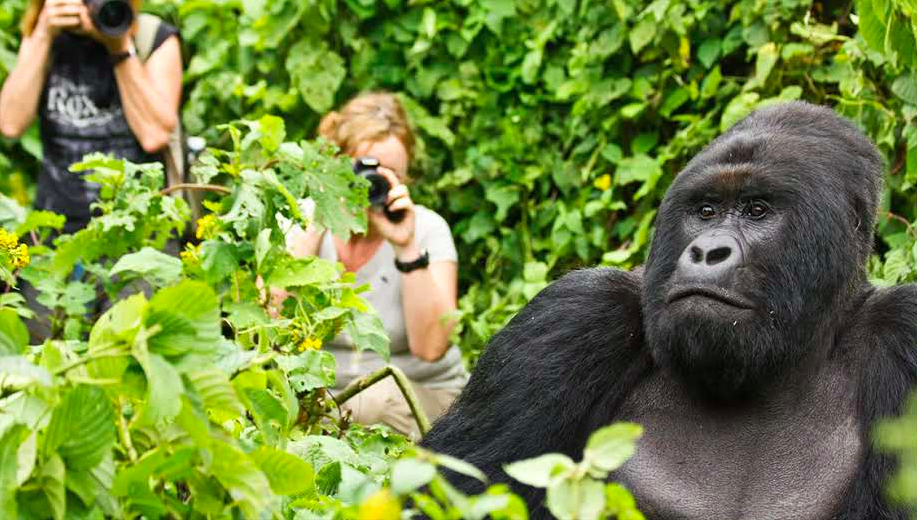
These gorilla trekking FAQs for travelers answer the most common questions about the experience. Planning a gorilla safari raises many unknowns. This guide clears them up. You will understand permits, fitness requirements, safety, and what to expect on trek day. The answers come from years of guiding visitors in Uganda and Rwanda. Your concerns are valid. The reality is reassuring. Gorilla trekking is well-organised, safe, and deeply rewarding. Here are the questions travellers ask most often.
How much does a gorilla permit cost?
A gorilla trekking permit in Uganda costs eight hundred US dollars for foreign non-residents. The gorilla habituation experience costs fifteen hundred dollars. In Rwanda, the standard permit costs fifteen hundred dollars. Permits include park entry, a guide, and one hour with a gorilla family. Transport, accommodation, and meals are separate. Permits are date-specific and sector-specific. You must book months in advance. The dry season sells out quickly. Book through a licensed tour operator or the national wildlife authority. Permits are non-refundable but can sometimes be rescheduled for a fee.
How fit do I need to be?
Moderate fitness is required. You walk for one to six hours on steep, muddy terrain. The altitude makes breathing harder. Training beforehand helps enormously. Walk hills with a backpack for a few weeks before your trip. Build leg strength with squats and lunges. The fitter you are, the more you will enjoy the experience. Porters are available to carry your pack and help on difficult sections. Guides set a slow, steady pace. You stop often. No one is left behind. If you have serious mobility concerns, discuss them with your operator. They can request a shorter trek. Gorilla trekking FAQs for travelers always emphasize that preparation makes the difference.
Is gorilla trekking safe?
Yes, gorilla trekking is very safe. Rangers and guides accompany every group. They are trained and armed as a precaution. Gorillas are habituated and generally calm. They rarely show aggression. The rules protect you. Keep seven metres away. Do not make sudden movements. Avoid direct eye contact with the silverback. Follow your guide’s instructions. The biggest risks are slips and falls on the trail. Sturdy boots and a walking stick reduce these risks. Health safety is also taken seriously. You cannot trek if you are sick. This protects the gorillas from human diseases. The experience is carefully managed.
What should I pack for the trek?
Pack sturdy waterproof hiking boots. Break them in before travel. Wear long trousers and a long-sleeved shirt in neutral colours. A waterproof rain jacket is essential. Bring a warm fleece for cool mornings. Gardening gloves protect your hands from thorns. A small daypack holds water, snacks, and a camera. Use insect repellent and sunscreen. Carry your permit and passport. A walking stick is provided. Porters are available to carry your bag. Pack light. You need less than you think. Your lodge provides a packed lunch. Drink plenty of water before and during the trek.
What is the minimum age for gorilla trekking?
The minimum age is fifteen years in both Uganda and Rwanda. Rangers check passports at the briefing. There are no exceptions. The rule protects both the gorillas and young children. The trek is physically demanding and unpredictable. Teenagers who meet the age requirement are welcome. It is a transformative experience for them. Families with younger children can enjoy nature walks and other activities. Gorilla trekking FAQs for travelers always highlight this age limit. Plan accordingly.
When is the best time for gorilla trekking?
Gorilla trekking is possible year-round. The dry seasons from June to September and December to February offer easier trails. The wet seasons bring lush scenery and lower prices. Permits are easier to get in the wet season. Gorillas are always present. They do not migrate. Your experience is magical regardless of the month. The best time depends on your priorities. Dry season suits comfort. Wet season suits budget and solitude. Gorilla trekking FAQs for travelers confirm that every season delivers incredible encounters.