
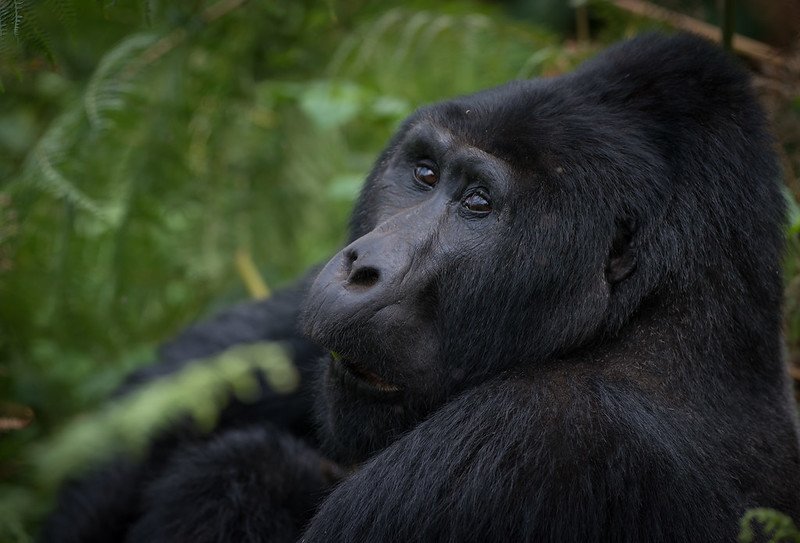
The question how difficult is gorilla trekking deserves an honest answer. Gorilla trekking is moderately challenging. The terrain is steep, muddy, and often slippery. The altitude makes breathing harder. Treks last from one to six hours. You need reasonable fitness. However, thousands of ordinary people complete it successfully every year. You do not need to be an athlete. Preparation makes the difference. The right mindset transforms the challenge into part of the reward. This guide explains exactly what to expect. You can assess whether gorilla trekking suits your fitness level.
The difficulty varies depending on the location and the specific gorilla family assigned. Uganda’s Bwindi is generally harder than Rwanda’s Volcanoes National Park. Within Bwindi, sectors differ. Nkuringo is the steepest. Ruhija and Buhoma are more moderate. Your guide requests a family that matches your ability. This guide breaks down the physical demands and offers practical advice. Understanding the challenge prepares you to meet it confidently.
Terrain and Trail Conditions
Bwindi Impenetrable Forest lives up to its name. The forest is dense. The trails are narrow and often muddy. Rain can fall at any time. You clamber over tree roots. You grip branches for support. The slopes can be very steep. You use your hands almost as much as your feet. The altitude ranges from one thousand to two thousand five hundred metres. The air is thinner at the top. Your heart and lungs work harder. The pace is slow and steady. Guides stop frequently for rests. The jungle humidity adds to the effort. This is not a stroll through a park. It is a genuine hike through challenging wilderness. When people ask how difficult is gorilla trekking, the terrain is the main factor.
Rwanda’s Volcanoes National Park is generally easier. The terrain is more open. Bamboo forests and alpine meadows are less claustrophobic. The mud is less deep. The slopes are steady but less extreme. Treks are often shorter. The altitude is higher overall, which affects breathing. But the trails themselves present fewer obstacles. Rwanda suits those with lower fitness or a preference for a less strenuous experience.
Duration and Pace
Treks can last from one hour to over six hours. Finding the gorillas takes time. Trackers locate them ahead of the group. They radio the guide with directions. The walking duration depends on where the family settled the previous night. Some families roam far. Others stay close to the trailhead. There is no way to predict exactly how long your trek will take. Rangers assign closer families to less fit trekkers. You can request a shorter trek at the briefing. Be honest about your ability. There is no shame in this. The goal is to enjoy the encounter, not exhaust yourself beforehand.
The pace is deliberately slow. Guides know the importance of conserving energy. You stop often to drink water and catch your breath. The group stays together. No one is left behind. A porter can carry your daypack and offer a steadying hand. Their support is invaluable. How difficult is gorilla trekking becomes much less daunting with a porter by your side.
Fitness Preparation
Start training at least two months before your trip. Walk hills with a backpack. Build your cardiovascular fitness with brisk walking, jogging, or cycling. Leg strength matters. Squats, lunges, and step-ups build the muscles you will use. Practice on uneven ground if possible. Break in your hiking boots during training. Blisters on trek day can ruin the experience. Your fitness directly affects your enjoyment. The fitter you are, the more you focus on the gorillas rather than your aching legs. Training is not optional. It is the best investment you can make for a comfortable trek.
Who Should Reconsider?
Gorilla trekking is not suitable for people with severe mobility issues. If you struggle to walk on flat ground for more than an hour, the trek may be too demanding. Serious heart or lung conditions require medical advice. Altitude adds strain. Pregnant women should consult their doctor. The trek involves falls risks. If you have any doubts, speak to your tour operator. They can arrange gentler activities. Knowing how difficult is gorilla trekking helps you make an informed decision. For most people with moderate fitness, it is an achievable and profoundly rewarding challenge.