
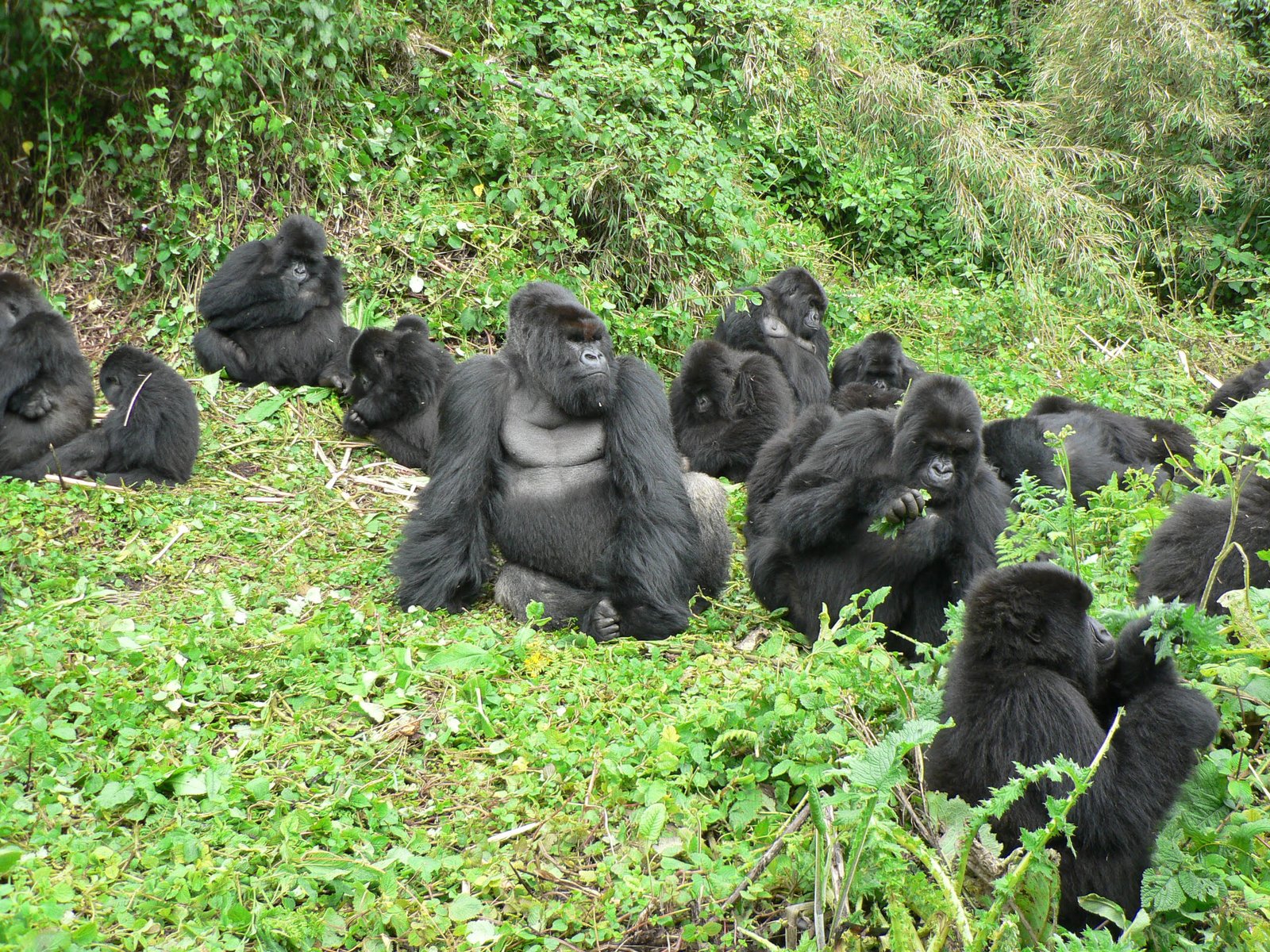
These gorilla trekking safety tips for tourists ensure a secure and enjoyable encounter with mountain gorillas. Trekking takes you into a wild forest with large animals. The experience is well-managed and safe. Thousands visit each year without incident. Following the rules and listening to your guide eliminates almost all risk. This guide covers the essential safety information. You will trek with confidence and peace of mind.
Safety in gorilla trekking operates on two levels. Physical safety on the steep, muddy trails and safety around the gorillas themselves. Both are addressed by the park authorities. Rangers and guides are highly trained. They prioritize your wellbeing at all times. Understanding the risks and the safeguards prepares you fully. These gorilla trekking safety tips for tourists come from years of experience in the field.
Listen to Your Guide at All Times
Your guide is your protector. They read gorilla behaviour and know the forest intimately. Follow their instructions immediately and without question. If they tell you to crouch, do it. If they ask you to step back, move. A guide’s quiet voice carries urgent authority. They see signs you miss. Years of training go into their decisions. Trust them completely. The guide carries a rifle as a last resort. They have never had to use it in a gorilla encounter. The rifle is for other forest animals. Your guide also communicates with trackers by radio. They know the gorilla family’s location and mood before you arrive. This preparation prevents surprises.
Keep the Required Distance
Maintain a distance of at least seven metres from the gorillas. This is the rule in both Uganda and Rwanda. The distance protects you from disease transmission and gives the gorillas space. If a gorilla moves towards you, step back slowly. Do not run. Running triggers a chase instinct. Juveniles are curious and may approach. Stay still and calm. Let the guide handle it. Never attempt to touch a gorilla. They are wild and must remain wild. Touching habituates them further and risks your safety. A silverback may perceive touch as a threat. The seven-metre rule is non-negotiable. These gorilla trekking safety tips for tourists emphasise distance as the primary safety measure.
Behaviour Around Gorillas
Speak in low whispers. Loud noises startle gorillas. A startled gorilla may charge. Do not make sudden movements. Move slowly and deliberately. Avoid direct eye contact with the silverback. He may interpret it as a challenge. Look at his shoulder or the ground instead. Crouch down to appear smaller and non-threatening. Do not eat or drink near the gorillas. Food smells distract and can provoke unwanted attention. Flash photography is strictly forbidden. The bright light frightens and irritates them. Use a camera with a good low-light setting instead. If a silverback charges, do not run. Crouch low, look away, and stay still. The charge is usually a bluff. He will retreat once he feels the threat is gone. Your guide will instruct you. These gorilla trekking safety tips for tourists help you remain calm in the unlikely event of a charge.
Trail Safety and Health Precautions
Wear sturdy waterproof hiking boots with good grip. The trails are slippery. Use a walking stick for balance. Hire a porter to carry your pack and steady you on steep sections. They prevent falls. Stay hydrated. Drink water at every rest stop. The altitude and exertion dehydrate you quickly. Inform your guide if you feel dizzy or unwell. Do not push beyond your limits. Carry a basic first-aid kit with plasters and painkillers. Insect repellent protects against bites. Take your malaria prophylaxis. Trek only if you are healthy. Do not trek with a cold or flu. Rangers may refuse you entry to protect the gorillas. Your health affects theirs. These gorilla trekking safety tips for tourists cover both the trail and the encounter. Prepare well and your trek will be safe and unforgettable.