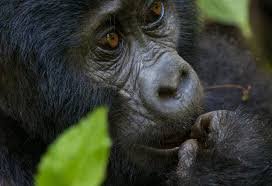
Gorilla trekking during COVID and health safety remains an important consideration for travellers. The pandemic heightened awareness of disease transmission between humans and gorillas. Even before COVID, strict health rules protected the gorillas. Those rules remain in place and have been strengthened. Mountain gorillas share nearly all of our DNA. A common respiratory virus can devastate a gorilla family. The protocols during your trek reflect this vulnerability. You help protect the gorillas by following simple health guidelines.
Health safety is a two-way street. The park authorities protect you as well. Hand sanitiser, temperature checks, and mask rules are standard. The experience remains seamless and enjoyable. This guide explains the current protocols. You will understand why they matter and how to comply. Your trek will be safe, responsible, and deeply rewarding.
Why Health Protocols Are So Strict
Gorillas are immunologically naive to many human pathogens. A cold virus that causes mild sniffles in you can kill a baby gorilla. Influenza, COVID-19, and other respiratory infections pose serious threats. The mountain gorilla population is small. Every individual matters. An outbreak could reverse decades of conservation progress. Park authorities have always screened trekkers for visible illness. The pandemic intensified these measures. Mask mandates became standard. Hand washing stations appeared at park headquarters. The protocols are not bureaucratic hurdles. They are lifelines for the species. Understanding this makes compliance feel meaningful rather than burdensome.
Current Protocols at the Parks
As of 2025, Uganda and Rwanda maintain health screening for all trekkers. You undergo a temperature check at the briefing point. Rangers ask if you have any symptoms of illness. If you appear unwell, you may be refused entry. This decision is final. No refund applies. Masks are required during the gorilla encounter. You must wear a clean surgical or N95 mask. This reduces droplet transmission. The mask also protects you from any airborne particles. Hand sanitiser is provided and must be used before approaching the gorillas. Social distancing among trekkers is encouraged where possible. The group size remains capped at eight visitors. These protocols evolve based on health assessments. Check with your operator for the latest requirements before travel.
What You Can Do to Protect the Gorillas
Postpone your trek if you feel unwell. Even a mild sore throat or runny nose should disqualify you. The gorillas are more important than your schedule. Carry hand sanitiser and use it frequently. Wear your mask properly over your nose and mouth. Do not remove it near the gorillas. Maintain the seven-metre distance. This rule serves both safety and health. Do not eat or drink near the gorillas. Turn away if you need to cough or sneeze. Bring a spare mask in case yours gets wet or dirty. These small actions protect the gorillas you came to see. Responsible tourism is the foundation of gorilla conservation. Your behaviour matters.
Health Precautions for You
Visit a travel clinic before your trip. Get the yellow fever vaccine. Take malaria prophylaxis as prescribed. Use insect repellent. Drink bottled water. The food in lodges is safe and well-prepared. Wash your hands often. Carry a basic first-aid kit. Travel insurance with medical evacuation is essential. Gorilla trekking during COVID and health safety means taking care of yourself as well. A healthy trekker is a safe trekker. The combination of personal and public health measures keeps everyone protected. The gorillas continue to thrive because visitors respect these rules.