
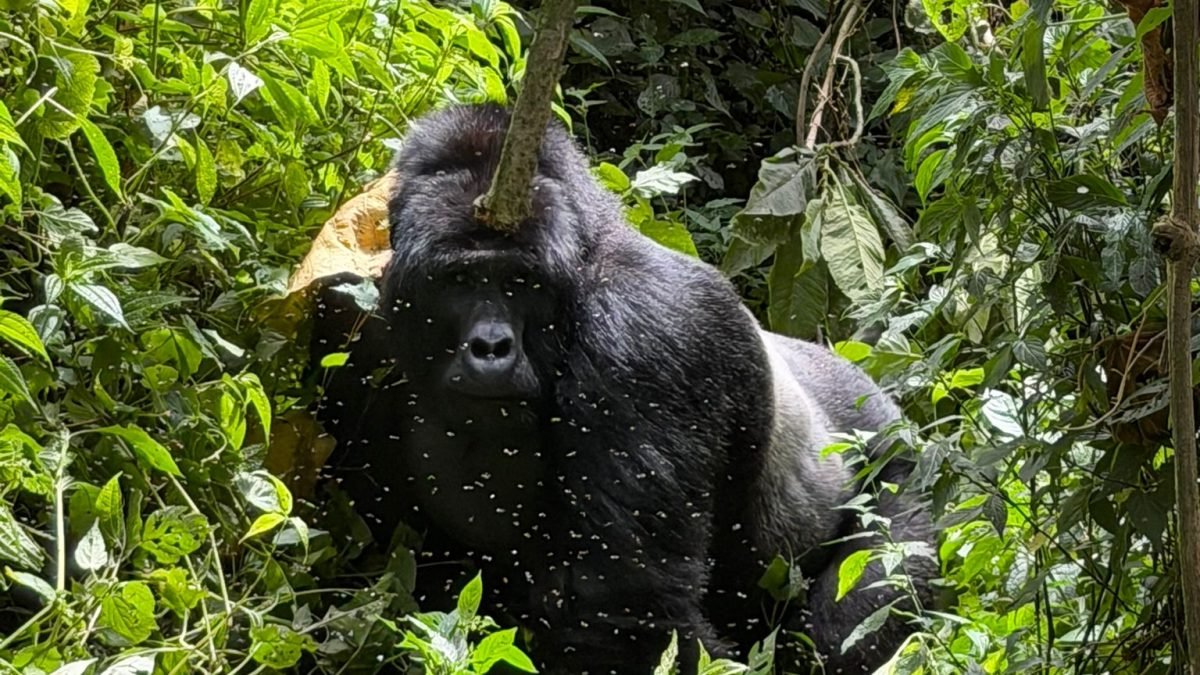
Sustainable tourism and gorilla conservation are deeply intertwined in East Africa. Mountain gorillas survive today largely because of tourism revenue. The permit fees fund ranger patrols, veterinary care, and community development. Without visitors, the forests would face intense pressure from agriculture and poaching. Tourism makes gorillas more valuable alive than dead. Your trek is not just an adventure. It is a direct contribution to the survival of an endangered species. This guide explains the mechanisms that link tourism and conservation. You will understand the impact of your visit.
The model is simple but effective. Gorillas generate income. Income funds protection. Protection allows gorillas to thrive. Thriving gorillas attract more visitors. The cycle is sustainable. Both Uganda and Rwanda have refined this approach over decades. The mountain gorilla population is growing. This is one of conservation’s rare success stories. Sustainable tourism and gorilla conservation are at its heart.
Funding Protection Through Permits
Every gorilla permit purchased channels money into conservation. In Uganda, the eight hundred dollar fee supports the Uganda Wildlife Authority. Rangers patrol Bwindi and Mgahinga daily. They remove snares, monitor gorilla health, and guard against poachers. Veterinary teams treat injuries and illnesses. Research informs management decisions. In Rwanda, the fifteen hundred dollar permit funds similar work. The Rwanda Development Board oversees anti-poaching and community programmes. The high permit price reflects Rwanda’s strategy of low-volume, high-value tourism. Fewer visitors pay more. The gorillas experience less stress. The funding remains substantial. Sustainable tourism and gorilla conservation rely on this financial foundation.
Without tourism, governments would struggle to allocate sufficient budgets for conservation. Competing priorities like health and education would take precedence. Tourism revenue ensures gorillas are a national priority. Your visit secures their future.
Community Benefits and Reduced Poaching
Twenty percent of Uganda’s park fees are shared with local communities. Rwanda has similar revenue-sharing schemes. This money builds schools, clinics, and water infrastructure. It creates tangible benefits for people living near the parks. Communities see gorillas as assets. Former poachers now work as guides, porters, and trackers. Their deep forest knowledge is now a legal livelihood. The incentive to poach disappears. The incentive to protect grows. This is the essence of sustainable tourism and gorilla conservation. People protect what benefits them.
Community projects also reduce pressure on the forest. Alternative livelihoods like beekeeping, craft-making, and farming co-ops are supported. Tourism creates markets for local goods. Lodges buy food from nearby farms. The economic ripple effect is significant. Entire regions prosper. Children grow up wanting to be rangers, not poachers. The cycle of destruction is replaced by a cycle of stewardship.
Responsible Tourism Practices
Sustainability requires responsible behaviour from visitors. The seven-metre distance rule protects gorillas from disease. No flash photography reduces stress. Trekking only when healthy prevents virus transmission. Small group sizes limit impact. These rules are not optional. They are enforced for the gorillas’ wellbeing. Following them is part of your contribution. Sustainable tourism and gorilla conservation depend on disciplined, respectful visitors.
You can also choose eco-friendly lodges and operators. Ask about their sustainability credentials. Support businesses that give back. Your spending choices amplify the positive impact. Travel with awareness. The gorillas benefit from every responsible decision you make.
The Future of Gorilla Conservation
The mountain gorilla population now exceeds one thousand individuals. It has been reclassified from critically endangered to endangered. This is a direct result of sustainable tourism. However, challenges remain. Climate change threatens the forest. Human populations grow. Funding must continue. The model of sustainable tourism and gorilla conservation must endure. Your visit today is part of this ongoing story. You are not just a tourist. You are a conservation partner. The gorillas thrive because you came. That is a powerful legacy.