
These malaria prevention tips for safari travelers will keep you healthy during your East African adventure. Malaria exists in Uganda and Rwanda. The risk is lower at high-altitude gorilla parks. However, it remains present. Taking precautions is essential. A combination of prophylactic medication, insect repellent, and protective clothing works best. No single measure offers complete protection. This guide explains how to guard yourself effectively.
Malaria transmits through the bite of infected Anopheles mosquitoes. They feed mainly between dusk and dawn. Symptoms include fever, chills, and flu-like illness. Without treatment, malaria can be fatal. Prevention is far better than cure. The right preparation eliminates most of the risk. Your safari should be about gorillas, not mosquitoes.
Prophylactic Medication
Prescription antimalarial tablets are the first line of defence. Several types exist. Malarone, doxycycline, and mefloquine are common choices. Your travel doctor selects the best one for you. Each has different dosing schedules and side effects. Start the medication before you leave. Continue taking it for the prescribed period after your return. Completing the course is vital. Stopping early leaves you vulnerable.
Malarone is popular for short trips. It starts working quickly and has few side effects. Doxycycline is cheaper but can cause sun sensitivity. Mefloquine requires weekly dosing but may cause vivid dreams. Discuss the options with your doctor. Take the medication exactly as directed. Set a daily reminder on your phone. The malaria prevention tips for safari travelers prioritise strict adherence to your prescription.
Insect Repellent and Protective Clothing
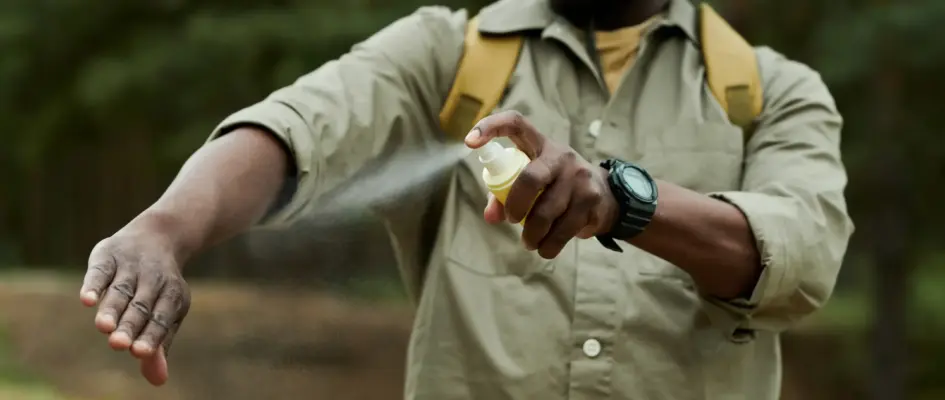
Use an insect repellent containing at least thirty percent DEET. Apply it every evening before dusk. Cover exposed skin thoroughly. Reapply if you sweat heavily. Repellents with picaridin or lemon eucalyptus oil also work. Treat your clothing with permethrin spray before travel. This adds a long-lasting barrier. Mosquitoes bite through thin fabrics. Treated clothing prevents this.
Wear long sleeves and long trousers after sunset. Light-coloured clothing makes mosquitoes easier to spot. Avoid dark colours that attract them. Tuck your trousers into your socks. This simple step blocks access to your ankles. Sleep under a mosquito net every night. Lodges provide them. Check for holes. Tuck the net under your mattress. The malaria prevention tips for safari travelers emphasise physical barriers as much as chemicals.
Environmental Awareness
Mosquitoes breed in standing water. Avoid areas with stagnant ponds or puddles. Lodges are usually well-maintained. However, be cautious near wetlands and lakes. Use air conditioning or fans in your room. Moving air deters mosquitoes. Keep windows and doors closed at dusk. Burn mosquito coils if provided. These small actions reduce your exposure significantly.
Stay in screened accommodation where possible. Tented camps with mesh windows offer good protection. The malaria prevention tips for safari travelers include choosing your lodging wisely. Inform your operator of any concerns. They can recommend camps with strong malaria controls.
Recognising Symptoms and Seeking Help
Despite precautions, be aware of malaria symptoms. Fever, headache, and muscle pain can appear days or weeks after a bite. If you feel unwell, seek medical attention immediately. Inform the doctor of your recent travel. Early diagnosis leads to effective treatment. Do not ignore symptoms. Carry a rapid test kit if travelling to very remote areas. Your guide can assist in an emergency.
Therefore, protect yourself thoroughly. Follow these malaria prevention tips for safari travelers. A healthy trekker enjoys the gorillas fully. Your safari memories will be free of illness.