
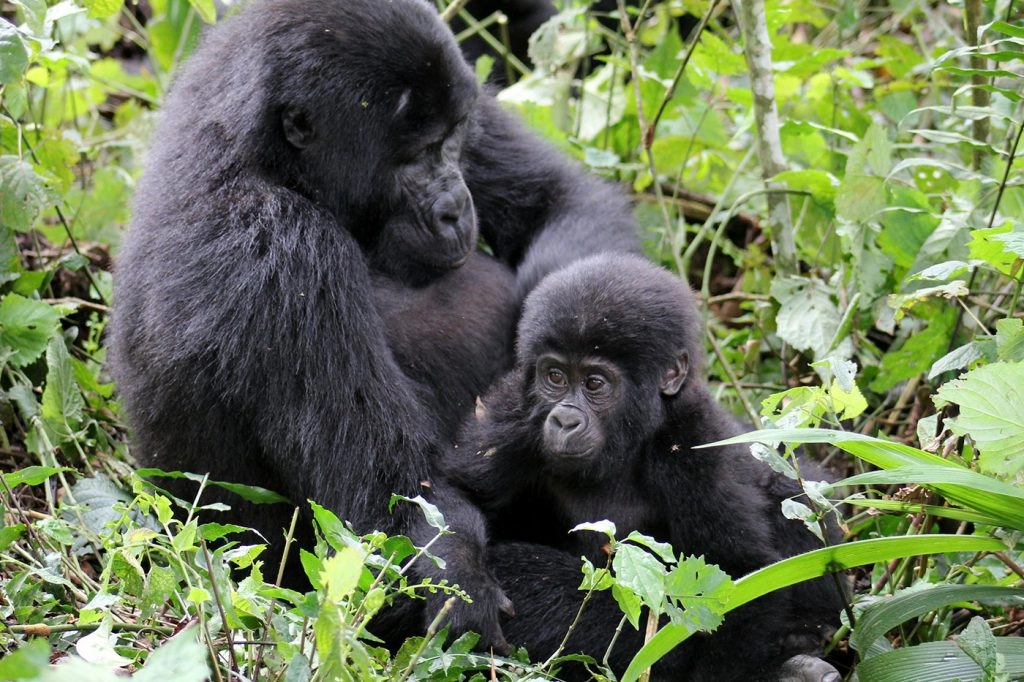
Gorilla Trekking Rules Every Tourist Should Know. Gorilla trekking is one of the most extraordinary wildlife experiences on the planet. Coming face to face with a mountain gorilla in its natural habitat — deep inside the ancient forests of Rwanda or Uganda — is the kind of moment that stays with you for a lifetime. But this privilege comes with responsibility. Before you lace up your hiking boots and set off into the jungle, there are strict gorilla trekking rules every tourist must know and respect. These guidelines exist not only to protect the gorillas but also to ensure your safety and the sustainability of this remarkable eco-tourism experience.
Whether you are planning a gorilla trekking safari in Uganda or a luxury trek through Rwanda’s Volcanoes National Park, the following rules apply and are enforced by park rangers on the ground.
Book Your Gorilla Permit Well in Advance
The first rule of gorilla trekking begins before you even arrive in Africa. Gorilla permits are issued in strictly limited numbers — only eight tourists are allowed to visit each habituated gorilla family per day. This cap is not arbitrary; it is a critical conservation measure that limits human pressure on the gorillas and their forest home.
In Rwanda, a gorilla permit costs USD 1,500 per person. In Uganda, permits cost USD 700 per person for Bwindi Impenetrable National Park and Mgahinga Gorilla National Park. Demand consistently outpaces supply during peak travel seasons, so it is strongly recommended to book your gorilla permit several months in advance. Working with a reputable tour operator ensures your permit is secured and your itinerary is carefully planned around your trekking day.
For comprehensive gorilla trekking tips and information, resources like Gorilla Trips provide detailed guides on what to expect before, during, and after your trek.
Stay Home if You Are Sick
This rule is non-negotiable. If you are feeling unwell on the day of your trek — particularly if you have a cold, flu, respiratory infection, or stomach illness — you must not join the group. Mountain gorillas share approximately 98% of human DNA, making them highly susceptible to human diseases. Even a common cold can be fatal to a gorilla.
Park authorities conduct a basic health check at the briefing station before each trek. If you show symptoms of illness, rangers have the authority to turn you away for the safety of the gorillas. Travel insurance that covers permit reimbursement in cases of illness is therefore strongly recommended. This is not just a rule — it is an act of compassion and conservation.
Maintain a Minimum Distance of 7 Metres
Once you locate the gorilla family, you must maintain a minimum distance of seven metres (approximately 23 feet) from the gorillas at all times. This rule protects both you and the gorillas. While habituated gorilla families are accustomed to human presence, they are still wild animals capable of unpredictable behaviour, especially if they feel threatened.
Your guide and the ranger escorts will help you position yourself appropriately. If a gorilla approaches you — which sometimes happens, particularly with playful juveniles — you are required to back away slowly and calmly without making sudden movements or loud sounds. Do not attempt to touch the gorillas, no matter how tempting it might be.
Limit Your Time with the Gorillas to One Hour
Every gorilla trekking permit grants you exactly one hour in the presence of the gorilla family. Not a minute more. This time limit is strictly enforced by the accompanying ranger. The restriction is designed to minimise stress on the gorillas and reduce disease transmission risk.
Make the most of this precious hour. Before the trek, practise how to use your camera quickly and quietly. Many seasoned trekkers on gorilla safaris to Rwanda and Uganda say that one hour passes faster than you could ever imagine. Be present, breathe deeply, and soak in every magnificent second.
Keep Your Voice Low and Move Slowly
The forest is a place of quiet wonder. Gorillas are sensitive to noise and sudden movement. From the moment your ranger group enters the tracking zone, you should keep your voice low — speaking in whispers only when necessary — and move through the vegetation slowly and deliberately.
Avoid crashing through undergrowth or snapping branches loudly. Follow your ranger’s lead at all times. If the gorillas are resting or feeding, remain still and observe. If they are moving, follow at a respectful pace. The quieter and calmer your group, the more natural and relaxed the gorilla behaviour you will witness.
No Flash Photography
Photography is not only permitted during a gorilla trek — it is actively encouraged as a way to document and share this conservation success story. However, flash photography is strictly prohibited. The sudden burst of bright light can startle and distress gorillas, disrupting the peaceful atmosphere that rangers work so hard to maintain.
Use your camera’s natural light settings and, if possible, invest in a lens that performs well in low-light conditions since the forest canopy often filters out direct sunlight. Drones are also prohibited in and around gorilla habitats, as the noise and visual disturbance they create can cause significant stress to the animals.
Visitors planning a Rwanda gorilla trekking experience will find that Volcanoes National Park’s misty forests offer beautiful natural lighting during morning treks, making flash unnecessary in most conditions.
Do Not Eat or Drink Near the Gorillas
You may bring water and snacks for the hike to and from the gorilla location, but once you are in the presence of the gorillas, all eating and drinking must stop. Food and drink can attract gorillas, create unnatural feeding associations, and potentially introduce foreign bacteria into the ecosystem.
All waste — wrappers, fruit peels, bottles — must be packed out of the forest. Leave no trace. The jungle must remain as pristine as you found it. Your guides will remind you of this, but making it your personal practice is part of being a responsible trekker.
Follow Your Ranger’s Instructions at All Times
Perhaps the most important rule of all is simply this: do exactly what your ranger says. These professionals are highly trained in gorilla behaviour, forest navigation, and tourist safety. They have spent years working with specific gorilla families and can read subtle cues that an untrained eye would miss entirely.
If the ranger tells you to stop, you stop immediately. If the ranger tells you to move back, you move back without question. If a silverback displays aggressive behaviour — chest-beating, charging, or vocalising — your ranger will instruct you on how to respond safely. The correct response is to crouch down, look away submissively, and avoid direct eye contact, which gorillas interpret as a challenge.
For more on gorilla family dynamics and what to expect during a trek, Gorilla Trips offers excellent background information on mountain gorilla behaviour and ecology.
Come Physically Prepared
Gorilla trekking is not a walk in a park — it is a genuine hike through dense tropical forest, often on steep, slippery terrain, at high altitude. Treks can last anywhere from one hour to eight hours depending on where the gorilla family has moved overnight. You need to be physically prepared.
Wear sturdy, ankle-supporting hiking boots. Long trousers and long sleeves protect against stinging nettles, insects, and thorny vegetation. Gardening gloves are highly recommended for gripping vegetation during steep climbs. A quality rain jacket is essential, as afternoon showers are common in the Virunga Massif and Bwindi ecosystems.
Porters are available for hire at most trekking starting points and are an excellent investment — they carry your bags, assist on difficult terrain, and directly support the local economy. If you are visiting Bwindi Impenetrable National Park in Uganda, hiring a local porter is especially recommended given the challenging topography.
Respect the Gorillas, the Forest, and the Community
Beyond the formal rules, successful gorilla trekking is rooted in a spirit of respect. Respect for the gorillas as sentient beings who call this forest home. Respect for the rangers and guides whose livelihoods and passion are dedicated to protecting these animals. And respect for the local communities whose ancestral lands surround these parks and who have sacrificed so much to coexist with conservation.
Mountain gorilla populations have grown in recent years — a conservation triumph largely attributed to the sustainable gorilla tourism model practised in Rwanda, Uganda, and the Democratic Republic of Congo. Every permit purchased contributes directly to gorilla conservation, anti-poaching efforts, and community development programmes. When you trek responsibly, you are not just a tourist — you are a conservation partner.
Plan your gorilla trekking safari today and join the growing community of travellers who have discovered that some experiences truly are worth protecting. The rules are simple. The reward is extraordinary.