
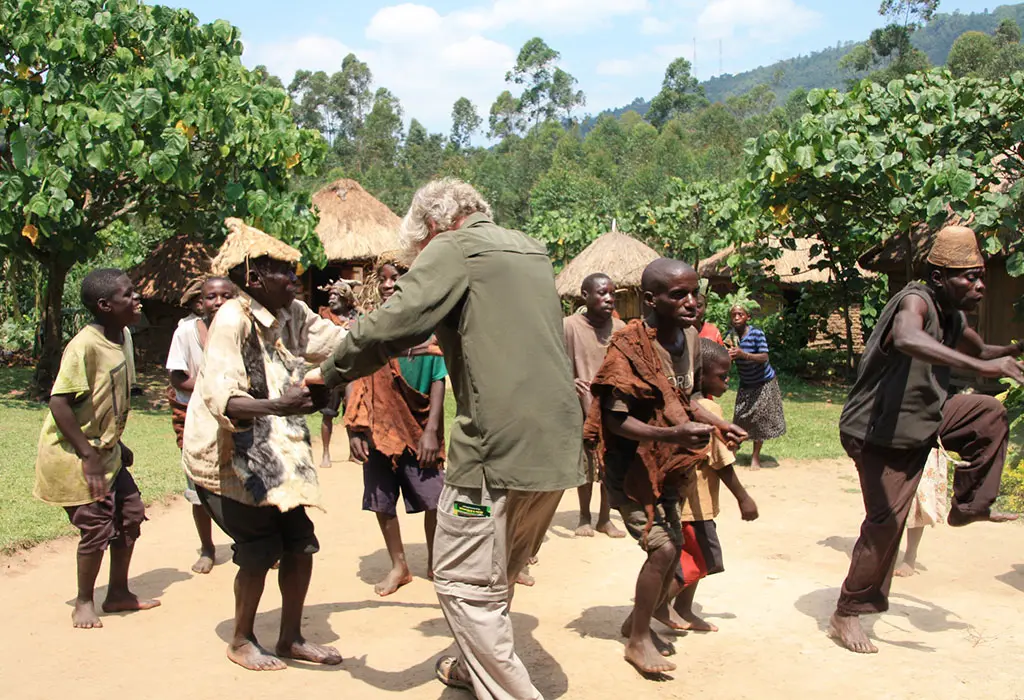
Community Tourism Around Bwindi National Park. Bwindi Impenetrable National Park is one of Africa’s most extraordinary destinations, celebrated globally for its mountain gorilla trekking experiences. Yet beyond the forest and its iconic primates lies a world equally rich in human stories, traditions, and community life. Community tourism around Bwindi National Park has emerged as a deeply meaningful way for visitors to engage with the local Batwa, Bakiga, and Bafumbira peoples, creating connections that go far beyond the typical safari experience. For travelers planning a gorilla trekking Uganda safari, weaving community visits into the itinerary transforms a wildlife trip into a life-changing cultural journey.
What Is Community Tourism and Why Does It Matter Around Bwindi
Community tourism is a form of responsible travel that places local communities at the center of the visitor experience. Rather than simply passing through a destination, travelers actively engage with residents, participate in daily life, learn traditional skills, and contribute directly to local livelihoods. Around Bwindi, this model holds particular significance because the national park sits within one of Uganda’s most densely populated rural regions. Conservation and community wellbeing here are deeply intertwined, and supporting community-based tourism is one of the most direct ways visitors can help protect both the gorillas and the people who live alongside them.
The Uganda Wildlife Authority channels a portion of gorilla permit revenues back into community development, but community tourism enterprises create additional, sustained income streams for families in villages surrounding the park. When travelers choose to visit a cultural village, hire a local guide, or purchase crafts from a women’s cooperative, they are participating in a system that makes conservation economically worthwhile for the communities that share this landscape.
The Batwa Cultural Experience: Walking with the Forest People
Among the most profound community tourism offerings around Bwindi is the Batwa Cultural Experience. The Batwa are the original forest-dwelling people of southwestern Uganda, a hunter-gatherer community who lived within what is now Bwindi Impenetrable National Park for thousands of years before its gazettement as a protected area. Today, Batwa communities live in settlements around the forest edges and have developed cultural programs that share their ancestral knowledge and traditions with visitors.
During a Batwa trail experience, guides lead small groups through sections of forest, demonstrating traditional hunting techniques, medicinal plant knowledge, honey harvesting methods, and fire-making skills passed down through generations. The experience culminates in dance, storytelling, and song that celebrate Batwa identity and resilience. This is not performance for the sake of tourism but a genuine expression of culture, and visitors consistently describe it as one of the most moving and memorable parts of their Uganda gorilla trekking holiday. Proceeds from these experiences directly support Batwa families, contributing to healthcare, education, and food security.
Village Walks and Cultural Homestays Near Bwindi
For travelers who want a deeper immersion into everyday life around Bwindi, guided village walks and homestay programs offer extraordinary access to Bakiga and Bafumbira culture. Villages around Buhoma, Nkuringo, Ruhija, and Rushaga, the four main gorilla trekking sectors of Bwindi, each have their own community tourism programs tailored to visitors.
A guided village walk typically includes visits to local homesteads, demonstrations of traditional cooking methods, banana beer brewing, basket weaving, and millet grinding. Visitors are often welcomed into family homes and invited to share a meal, gaining an authentic glimpse into rural Ugandan life. Local guides narrate the history of the region, explain how communities have adapted to living alongside one of Africa’s most important national parks, and share stories of conservation challenges and successes. These walks are ideal for combining with a Bwindi gorilla trekking permit, turning a single-activity day into a full cultural and natural experience.
Homestay programs, where guests stay overnight with local families, are available in some communities and represent perhaps the most intimate form of community tourism around Bwindi. Guests sleep in traditional or semi-traditional accommodations, share meals prepared over open fires, and wake to the sounds of morning village life. Revenue generated through homestays supports education fees for children, agricultural projects, and household improvements.
Women’s Cooperatives and Craft Markets Around Bwindi
Across the communities surrounding Bwindi National Park, women’s groups have organized into cooperatives producing handcrafted goods that capture the artistry and creativity of southwestern Uganda. Intricately woven baskets, jewelry made from natural materials, hand-sewn garments, and wood carvings are among the items available for purchase at community craft markets and cooperative shops near park entrances.
Buying directly from cooperatives ensures that income reaches artisans rather than passing through middlemen. Many of these groups also offer demonstrations of the weaving and craft-making process, turning a shopping stop into a learning experience. For travelers comparing options for their combined Uganda Rwanda gorilla trek, the vibrant craft culture around Bwindi offers a compelling reason to spend additional time on the Uganda side. Companion resources from specialist operators such as Gorilla Trips also highlight the importance of supporting community enterprises as part of ethical gorilla tourism planning.
Cultural Performances and Traditional Music Near the Park
Music and dance are central to the cultural identity of communities around Bwindi. Several community groups near the park entrances organize evening cultural performances that feature traditional Kiga dances, drumming, and singing. These performances are arranged for visiting groups and provide a joyful, energetic celebration of local heritage that brings guests and community members together.
The Nkuringo community near the southern sector of Bwindi is particularly well known for its cultural performance programs, while Buhoma in the north offers regular evening entertainment arranged through local lodges and community groups. These events are inclusive and interactive, often inviting visitors to join in the dancing, creating moments of laughter and genuine cross-cultural connection. Children and elders frequently participate together, making it a wholesome and uplifting experience for travelers of all ages.
Birding and Nature Walks Led by Community Guides
Bwindi Impenetrable National Park is a designated UNESCO World Heritage Site and one of Africa’s most important biodiversity hotspots. Beyond gorilla trekking, the forest supports over 350 bird species, many of them Albertine Rift endemics highly sought after by birding enthusiasts. Community guide programs around the park offer bird walks and forest nature trails led by trained local naturalists who combine ecological knowledge with deep personal connection to the landscape.
Hiring community guides for forest walks, birding excursions, or waterfall hikes channels income directly into households while delivering exceptionally knowledgeable and personal guiding. These guides often speak the local language of the birds, flowers, and trees in ways that transform a simple walk into an ecological education. Travelers visiting Bwindi Impenetrable Forest for gorilla trekking are strongly encouraged to add at least one community-guided nature activity to their itinerary.
How to Plan Community Tourism Around Bwindi
Planning community tourism around Bwindi requires coordination with lodges, community organizations, or reputable tour operators who have established relationships with local groups. Visitors should book community experiences in advance, particularly during peak season from June to September and December to February, when demand is high. Operators such as Gorilla Trips provide itineraries that integrate community visits seamlessly with gorilla trekking permits, accommodation, and transport across both Uganda and Rwanda.
When choosing community experiences, travelers should look for programs that are community-owned or community-managed rather than externally controlled ventures. Transparent income-sharing models, locally employed staff, and cultural sensitivity in program design are hallmarks of authentic and responsible community tourism. Dress respectfully for village visits, ask permission before photographing individuals, and engage with genuine curiosity and openness.
How about the Future of Community Tourism Around Bwindi
Community tourism around Bwindi National Park represents a hopeful model for conservation-linked development across Africa. As gorilla trekking continues to draw international visitors to southwestern Uganda, the integration of meaningful community experiences ensures that tourism benefits are distributed widely and that local people have real reasons to support and protect the forest and its wildlife. Travelers who engage with community tourism around Bwindi leave not only with memories of mountain gorillas but with lasting impressions of the people who call this extraordinary landscape home.