
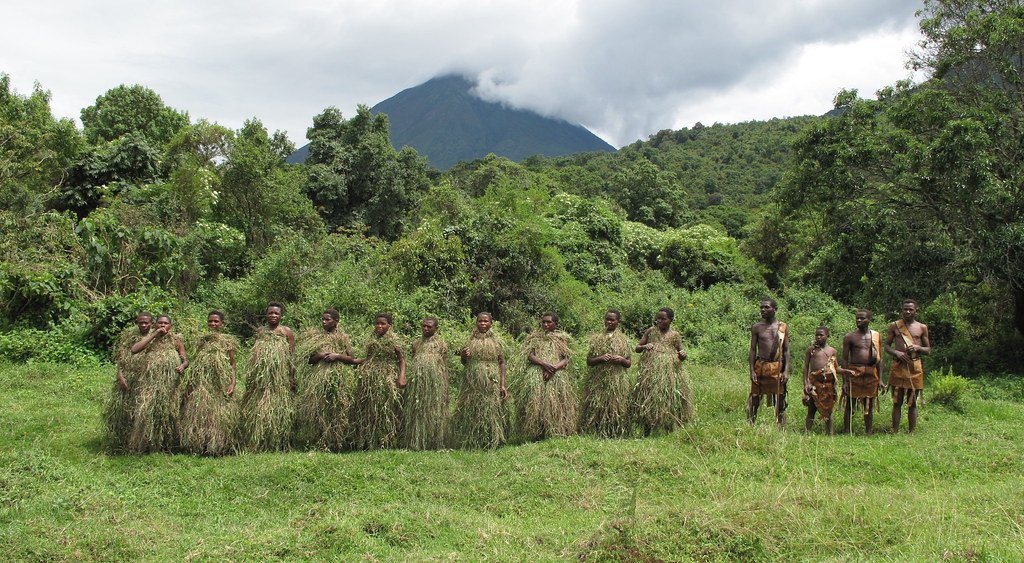
The Batwa Cultural Trail experience offers a rare glimpse into the lives of Bwindi’s original inhabitants. The Batwa people lived in the forest as hunter-gatherers for thousands of years. Their deep knowledge of the jungle is unmatched. When Bwindi became a national park, they lost their home. Today, Batwa communities share their heritage with visitors through guided forest walks. The experience is authentic, educational, and deeply moving. Your visit supports their families and preserves their culture.
The trail takes you into a patch of forest near the park boundary. Batwa guides lead the way. They wear traditional clothing and speak their ancestral language. You follow them along narrow paths. What follows is not a performance. It is a genuine sharing of skills and stories. This guide explains what to expect from the Batwa Cultural Trail experience. Your gorilla safari gains a powerful human dimension.
Ancient Hunting and Gathering Skills
The Batwa guides demonstrate how they once lived. They show you how to make fire using dry sticks. The technique requires patience and skill. Within minutes, smoke rises and a flame appears. They point out medicinal plants along the trail. Each leaf and root has a purpose. Some treat stomach ailments. Others heal wounds. The forest provided their pharmacy. You gain a new respect for the jungle’s resources. The Batwa lived sustainably here for millennia. Their impact on the forest was minimal. They took only what they needed.
In addition, they demonstrate hunting techniques. They craft a small bow and arrows from forest materials. They explain how they tracked animals. Their knowledge of animal behaviour is profound. The Batwa Cultural Trail experience reveals a way of life that is now almost lost. You witness skills that sustained generations.
Shelter Building and Forest Living
The guides build a traditional hut from leaves and branches. The structure rises quickly. It takes shape before your eyes. The materials are all around you. Large leaves form a waterproof roof. Vines tie the frame together. The hut is small but effective. It protected families from rain and cold. You can step inside and imagine living here. The guides explain how they moved camp with the seasons. They followed game and ripening fruits. The forest was their entire world.
Furthermore, you learn about their spiritual connection to the land. The forest is sacred. Every tree and stream has meaning. The Batwa Cultural Trail experience includes songs and stories. The guides chant in deep, rhythmic voices. The forest echoes with their music. The moment is powerful and haunting. You feel the weight of history in the green shadows.
The Displacement and Modern Challenges
The creation of Bwindi Impenetrable National Park in 1991 displaced the Batwa. They were forced to leave the forest. Conservation laws banned hunting and gathering. The Batwa became conservation refugees. They had no land and no skills for farming. The transition was devastating. Many lived in extreme poverty. Alcoholism and disease followed. Their culture began to fade. The Batwa Cultural Trail experience acknowledges this painful history. It does not shy away from the difficult truths of conservation.
Today, organisations work to support the Batwa. The trail provides income. Your fee funds education and healthcare. The community is slowly rebuilding. Children go to school. Adults learn new trades. The Batwa are resilient. They are determined to preserve their heritage while adapting to a changed world. Your visit plays a small but meaningful role in this recovery.
What the Experience Includes
The trail lasts about three to four hours. You walk at a gentle pace. The terrain is moderate. You need sturdy shoes and insect repellent. A camera is useful. Ask before photographing people. The cost of the trail is around forty to fifty dollars per person. You can book through your lodge or tour operator. The guides are knowledgeable and warm. They welcome questions. They appreciate your interest in their culture. The Batwa Cultural Trail experience is not entertainment. It is a cultural exchange. You leave with a deeper understanding of Bwindi and its people.
Why the Batwa Experience Matters
Cultural tourism helps preserve what remains. The Batwa share their traditions because visitors value them. Their children learn the old ways alongside new skills. Pride is restored. The Batwa Cultural Trail experience bridges the gap between conservation and human rights. It reminds us that protecting wildlife must include protecting people. Your gorilla safari becomes more meaningful when you understand the full story of the forest. The Batwa are an essential part of that story. Their voices deserve to be heard.