
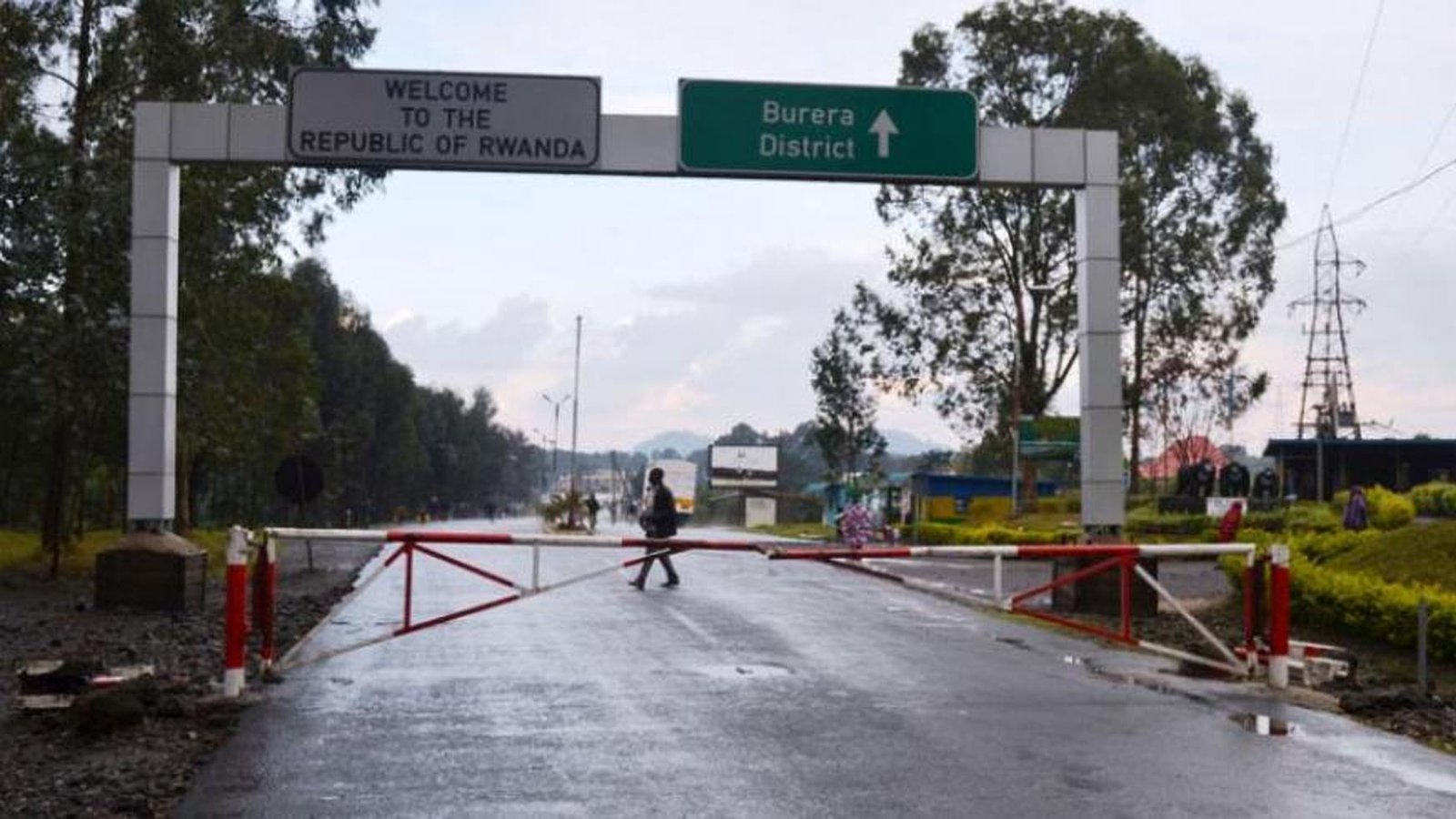
Best Border Crossing Tips for Rwanda and Uganda. Crossing the border between Rwanda and Uganda is one of the most rewarding travel experiences in East Africa — a short journey that connects two of the continent’s most breathtaking wildlife destinations. Whether you are heading to trek mountain gorillas in Bwindi Impenetrable National Park or making your way to Volcanoes National Park in Rwanda, understanding how to navigate the border crossing process will save you time, stress, and unnecessary delays. This guide shares the best border crossing tips for Rwanda and Uganda to ensure your journey goes as smoothly as possible.
Understanding the Rwanda–Uganda Border Crossings
There are two main border crossing points between Rwanda and Uganda that travelers commonly use. The Katuna/Gatuna border (also called Cyanika on the Rwandan side) is the most popular, located along the highway connecting Kigali to Kabale and onward to Kampala. The second option is the Cyanika border post, which sits closer to Kisoro in southwestern Uganda and is the most convenient crossing for travelers heading directly to gorilla trekking territory in Mgahinga Gorilla National Park or Volcanoes National Park.
Knowing which border to use can dramatically affect your travel time, especially if you are arriving on a tight safari schedule. If you are planning a combined Uganda and Rwanda gorilla safari, discuss with your tour operator which route makes the most logistical sense given your itinerary.
Visa Requirements: The East Africa Tourist Visa
One of the best travel hacks for visitors to this region is the East Africa Tourist Visa, which grants access to Rwanda, Uganda, and Kenya on a single visa valid for 90 days. This is particularly useful if you are planning a multi-country safari and want to cross the Rwanda–Uganda border without applying for separate visas.
Citizens of many countries can apply for a Ugandan visa online through the Uganda e-visa portal or obtain a Rwanda visa on arrival or online through irembo.gov.rw. Always confirm your nationality’s specific requirements before traveling, as policies can change. It is strongly advised to have your visa sorted before you arrive at the border — not after.
If you are visiting both countries specifically for gorilla trekking, make sure your gorilla permit is booked well in advance. Permits sell out quickly, especially in peak season. You can explore gorilla trekking permit prices in Rwanda and gorilla trekking permit costs in Uganda to budget accordingly before your trip.
What to Carry at the Border
Preparation is everything at any international land border. Here is a checklist of what you must have ready when crossing between Rwanda and Uganda:
- Valid passport with at least 6 months validity beyond your travel dates
- Visa documentation — either a stamped visa, e-visa printout, or East Africa Tourist Visa
- Yellow fever vaccination certificate — both Rwanda and Uganda require proof of yellow fever vaccination
- Confirmed travel insurance covering the entire duration of your trip
- Return or onward travel proof, such as a flight ticket or hotel booking confirmation
- Sufficient funds — border officials may occasionally ask for proof of financial means
Having all documents organized in a folder or document pouch speeds up the immigration process significantly. If you are traveling with a tour operator, they will often carry a vehicle manifest and letter of authorization, which further eases the process.
Border Hours and Best Times to Cross
Both the Katuna/Gatuna and Cyanika border crossings are generally open from 6:00 AM to 10:00 PM local time, though hours can vary slightly. It is highly recommended to cross during the morning hours between 7:00 AM and 10:00 AM, before the midday rush of commercial trucks and buses.
Avoid crossing on weekends if possible, as these tend to be the busiest days. Public holidays in either country can also cause unexpected delays. If you are following a tightly scheduled safari, your tour operator should time the crossing to avoid peak hours — this is one of the many advantages of traveling with an experienced local safari company.
Health and Safety at the Border
Both Rwanda and Uganda take health requirements seriously. Yellow fever vaccination is mandatory for entry into both countries, and customs officers will ask to see your International Certificate of Vaccination (commonly known as the yellow card). Failure to present this document can result in being denied entry or being required to take a vaccine on the spot.
Travelers are also advised to have malaria prophylaxis, as parts of southwestern Uganda around Bwindi and the Mgahinga region can carry a malaria risk. Consult your doctor before departure and carry your medications with you at all times. Drinking bottled water and using hand sanitizer at the border are also simple but effective precautions.
For more detailed health advice before your trip, resources from Gorilla Trips are an excellent starting point for understanding what to expect when traveling in East Africa.
Currency and Money Tips at the Border
Rwanda uses the Rwandan Franc (RWF) and Uganda uses the Ugandan Shilling (UGX). US dollars are widely accepted across both countries and can simplify your travel considerably — just ensure your bills are crisp, undamaged, and printed after 2006, as older or torn notes are frequently rejected.
There are money changers at the Katuna/Gatuna border, but exchange rates can be unfavorable. It is generally better to exchange money at a reputable bank or forex bureau in Kigali, Kampala, or Kabale before your border crossing. ATMs are not reliably available at the border posts themselves, so carry enough local currency for immediate needs like transport, food, or a porter tip on your gorilla trek.
Traveling with a Safari Vehicle
If you are on a guided tour and crossing the border in a safari vehicle, additional documentation will be required for the vehicle itself. Your driver and tour operator will need to present:
- Vehicle registration documents
- Comprehensive insurance covering both countries
- Carnet de passage or temporary import permit
- Driver’s license recognized in both countries
Reputable safari companies operating in the region handle all of this as part of their service. If you are planning luxury gorilla trekking in Uganda or a budget safari, always confirm that your operator is licensed and that their vehicles are cross-border certified.
Choosing the Right Tour Operator for a Smooth Border Experience
Crossing the Rwanda–Uganda border for the first time can feel daunting, but the right tour partner makes all the difference. Working with an experienced local operator means someone is managing logistics, timing, paperwork, and any unexpected surprises on your behalf. For those combining gorilla trekking on both sides of the border, exploring a Rwanda vs Uganda gorilla trekking comparison is a great way to decide where to spend your time and money.
The combined Uganda and Rwanda safari packages offered by Saso Gorilla Safaris are expertly designed to make border crossings seamless, so you can focus entirely on the incredible wildlife experiences that await you on both sides.
Crossing the border between Rwanda and Uganda does not have to be a complicated or stressful experience. With the right documents, a little advance planning, and the support of an experienced safari operator, it can be a smooth and even exciting part of your East African adventure. Whether you are trekking to see mountain gorillas in Bwindi Impenetrable National Park or heading into Rwanda’s iconic Volcanoes National Park, the border is simply the gateway to one of the most extraordinary wildlife experiences on the planet.
Ready to plan your cross-border gorilla safari? Contact us today and let our team handle every detail of your journey.