
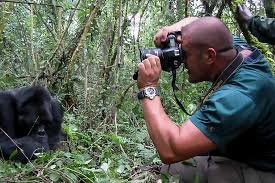
Choosing the best camera for gorilla photography depends on the unique challenges of the forest. Bwindi and Volcanoes are dark, damp environments. The vegetation is thick. Flash is strictly forbidden. Gorillas move. You have limited time. The right camera and settings make the difference between blurry snapshots and stunning portraits. You do not need the most expensive gear. You need gear that performs well in low light and handles quickly. This guide explains the options. You will capture images worthy of the encounter.
Many photographers, from beginners to professionals, seek advice on this topic. The forest conditions level the playing field. Expensive equipment helps but knowledge helps more. Understanding your camera and preparing the right settings is half the battle. The best camera for gorilla photography is the one you know how to use well.
DSLR and Mirrorless Camera Bodies
A camera with good low-light performance is essential. Full-frame sensors handle high ISO better. They produce cleaner images in dark conditions. The Canon EOS R6, Nikon Z6II, and Sony A7 series are excellent choices. APS-C sensor cameras like the Canon EOS R7 or Sony A6700 are lighter and more affordable. They still perform well at ISO 3200 or 6400. The key feature is a fast autofocus system. Gorillas move unexpectedly. Your camera must lock focus quickly and accurately. Mirrorless cameras generally offer superior eye-detection autofocus. This is a game-changer for wildlife. It tracks the gorilla’s eye automatically. Your shots stay sharp even as the subject shifts.
In addition, weather sealing protects against rain and humidity. The forest is damp. A sealed body paired with a sealed lens offers peace of mind. The best camera for gorilla photography is one that survives the conditions and delivers reliable results.
Lenses for Gorilla Trekking
A fast zoom lens is ideal. The 70-200mm f/2.8 is the gold standard. It offers a versatile range. You frame tight portraits from the required seven-metre distance. The wide f/2.8 aperture lets in plenty of light. This keeps your ISO lower and shutter speeds faster. Image stabilisation helps when shooting handheld. A 24-70mm f/2.8 captures gorillas in their habitat. It shows the forest context. Both lenses are heavy. Choose one if you want to pack light. The 70-200mm gives you more intimate images. The 24-70mm tells a wider story. A prime lens like an 85mm f/1.4 produces stunning portraits. It offers superb low-light capability. However, you sacrifice flexibility. You cannot zoom. The forest often limits your movement. A zoom lens is more practical for most trekkers.
Camera Settings for the Forest
Use aperture priority mode. Set your aperture to f/2.8 or f/4. The wide opening blurs the background and maximises light. Set ISO to auto with an upper limit of 6400 or 12800. Modern cameras handle high ISO well. A minimum shutter speed of 1/250 freezes gorilla movement. Use continuous autofocus mode. Enable eye-detection if available. Shoot in RAW format. This captures the most data for editing later. Use silent shutter mode if your camera offers it. The sound of a mechanical shutter can disturb the gorillas. Turn off your flash. It is strictly forbidden. The best camera for gorilla photography is the one set up correctly before you reach the gorillas. You will not have time to adjust menus during the encounter.
Practical Photography Tips
Arrive with a fully charged battery and a formatted memory card. Bring spares. The damp can drain batteries faster. Protect your gear with a rain cover. A simple plastic bag works in an emergency. A lens hood reduces flare from dappled light. Wipe your lens regularly. Mist and drizzle accumulate quickly. Compose carefully. Focus on the eyes. A sharp eye makes the whole image feel alive. Include the forest for context. Shoot from a low angle. It makes the gorilla look more majestic. Capture interactions. A mother grooming her baby tells a story. Do not spend the whole hour behind the camera. Absorb the moment with your own eyes. The best camera for gorilla photography is the one that helps you relive the magic. But the memory itself is the true treasure.