
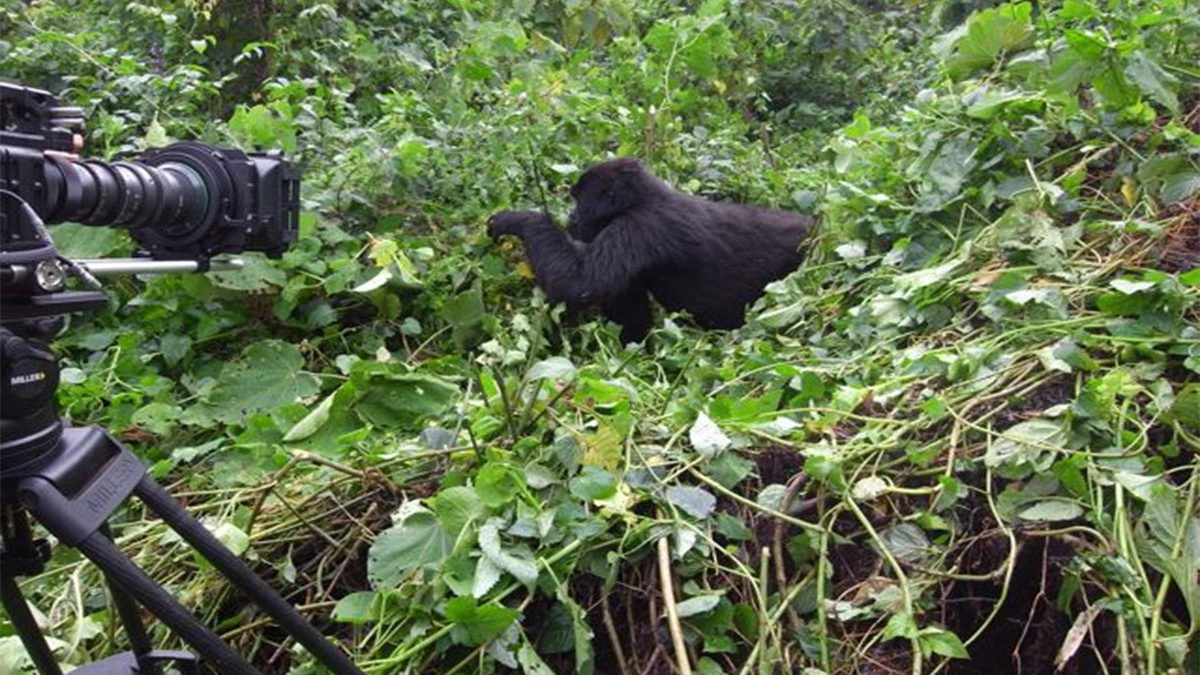
Gorilla trekking is one of the most rewarding wildlife photography experiences in the world. However, capturing high-quality images in dense rainforest conditions requires the right camera gear. The environment is often dark, humid, and unpredictable, so choosing lightweight, durable, and low-light capable equipment is essential.
At All Budget Safaris, we guide travelers on the best camera gear for gorilla trekking so they can capture stunning images and videos while staying comfortable throughout the hike.
Choose a Camera with Strong Low-Light Performance
One of the most important factors in gorilla trekking photography is low-light performance.
Mountain gorillas live in thick rainforests where sunlight is often blocked by dense vegetation. This means your camera must perform well in dim conditions.
The best options include:
- Mirrorless cameras (recommended for lightweight travel and fast performance)
- DSLR cameras (excellent image quality and lens flexibility)
- Advanced compact cameras (good for travelers who prefer simple setups)
Look for cameras with:
- High ISO capability
- Fast autofocus systems
- Good dynamic range
These features help you capture sharp, clear images even in challenging forest light.
Best Lenses for Gorilla Trekking
Choosing the right lens is just as important as the camera body.
Because gorillas must be observed from a safe distance, zoom lenses are essential.
Recommended Zoom Lenses
- 70–200mm (best all-round lens for portraits and medium shots)
- 100–400mm (ideal for capturing distant gorillas in thick vegetation)
- 24–70mm (great for environmental forest shots and group scenes)
These lenses allow you to frame gorillas without disturbing them while still getting detailed shots.
Why Zoom Lenses Matter
Gorillas move frequently and may be partially hidden by vegetation. A zoom lens gives you flexibility to adjust quickly without changing position in the forest.
Lightweight Camera Body is Essential
Gorilla trekking involves hiking through steep, muddy, and sometimes slippery terrain. Carrying heavy equipment can quickly become exhausting.
That is why lightweight mirrorless systems are highly recommended.
Benefits include:
- Reduced fatigue during long hikes
- Faster movement through the forest
- Easier handling in tight spaces
- Better balance when shooting handheld
A lighter setup allows you to focus more on photography and less on carrying heavy gear.
Tripods and Stabilization Tools
Full-size tripods are generally not practical during gorilla trekking due to rough terrain and limited space.
Instead, consider:
- Lightweight monopods
- Mini travel tripods (for rest points or camp use)
- In-body image stabilization (IBIS) cameras
- Lens stabilization features
Most photographers rely on handheld shooting, so stabilization features in your camera and lens become very important.
Keeping your elbows close to your body also helps reduce camera shake.
Extra Batteries and Memory Cards
Gorilla encounters are unpredictable and only last one hour once the group is found. You must be fully prepared.
Always carry:
- At least 2–3 extra batteries
- Multiple high-speed memory cards
- A protective case for storage
Cold temperatures and continuous shooting can drain batteries faster than expected, especially in misty forests.
Running out of power or storage during a gorilla encounter can mean missing once-in-a-lifetime shots.
Weather Protection Gear for Your Camera
Rainforest weather can change within minutes, so protecting your equipment is critical.
Essential protection items include:
- Waterproof camera rain covers
- Lens hoods (to reduce water droplets and glare)
- Microfiber cleaning cloths
- Dry bags or waterproof backpack inserts
Humidity, mist, and sudden rain showers are common in gorilla trekking areas like Bwindi Impenetrable Forest and Volcanoes National Park.
Keeping your gear dry ensures reliable performance throughout the trek.
Best Camera Settings Gear Preparation
While not physical gear, understanding your camera setup is part of preparation.
Ensure your camera allows easy access to:
- ISO settings (for low light adjustments)
- Shutter speed control (for fast-moving subjects)
- Aperture control (for depth of field)
- Quick autofocus switching
Having customizable buttons or quick menus can save valuable time during gorilla encounters.
Audio Gear for Gorilla Videography
If you are filming gorillas, audio is an important part of storytelling.
Recommended audio tools:
- Compact shotgun microphone
- Wind protection cover (deadcat)
- Built-in camera microphone (backup option)
Forest environments are rich with natural sound, including bird calls, rustling leaves, and gorilla vocalizations. Good audio gear helps capture this atmosphere more clearly.
Comfortable Camera Backpack
A proper backpack is one of the most important but often overlooked pieces of gear.
A good gorilla trekking camera bag should be:
- Lightweight and waterproof
- Comfortable with padded shoulder straps
- Compact for forest movement
- Easy to access quickly
Avoid large hard cases or heavy roller bags, as they are not suitable for forest trekking.
A well-designed backpack helps protect your gear while allowing freedom of movement.
Smartphone Gear for Casual Photographers
Not all travelers carry professional cameras. Modern smartphones can still capture excellent gorilla images when used correctly.
Useful smartphone accessories:
- Clip-on telephoto lens
- Portable stabilizer (gimbal)
- Power bank for charging
- Waterproof phone pouch
Smartphones are ideal for travelers who prefer light travel but still want memorable safari photos.
Clothing and Gear for Camera Comfort
Your personal gear also affects your photography experience.
Recommended items include:
- Lightweight waterproof jacket
- Neutral-colored clothing (to blend with nature)
- Comfortable hiking boots
- Gardening gloves (for gripping vegetation or branches)
Proper clothing helps you move freely while keeping your equipment safe and accessible.
Hiring a Porter for Gear Support
Hiring a porter is highly recommended during gorilla trekking, especially for photographers.
Porters help carry:
- Camera bags
- Extra lenses
- Water and personal items
- Tripods or accessories
This allows you to focus fully on capturing gorilla moments without physical strain.
Porters also provide assistance on steep or slippery sections of the trail, making trekking safer and easier.
In addition, hiring porters directly supports local communities around national parks.
Keep Your Gear Minimal and Practical
One of the most important rules of gorilla trekking photography is simplicity.
Avoid carrying too much equipment. Instead, choose:
- One camera body
- One or two versatile lenses
- Minimal accessories
Forest conditions are demanding, and mobility is more important than carrying a full studio setup.
A lightweight, practical kit ensures you stay comfortable and ready for action.
Final Thoughts on Gorilla Trekking Camera Gear
The best camera gear for gorilla trekking is lightweight, durable, and designed for low-light conditions. Since gorilla encounters happen in dense forests and last only a short time, preparation is key to capturing meaningful wildlife images.
From selecting the right camera and lenses to protecting your gear from rain and carrying extra batteries, every detail matters.
At All Budget Safaris, we help travelers prepare for unforgettable gorilla trekking adventures in Uganda, Rwanda, and Congo, ensuring they are fully equipped to capture stunning photos and videos of mountain gorillas in their natural habitat.
With the right gear and preparation, you can turn a once-in-a-lifetime gorilla encounter into powerful visual memories that last forever.