
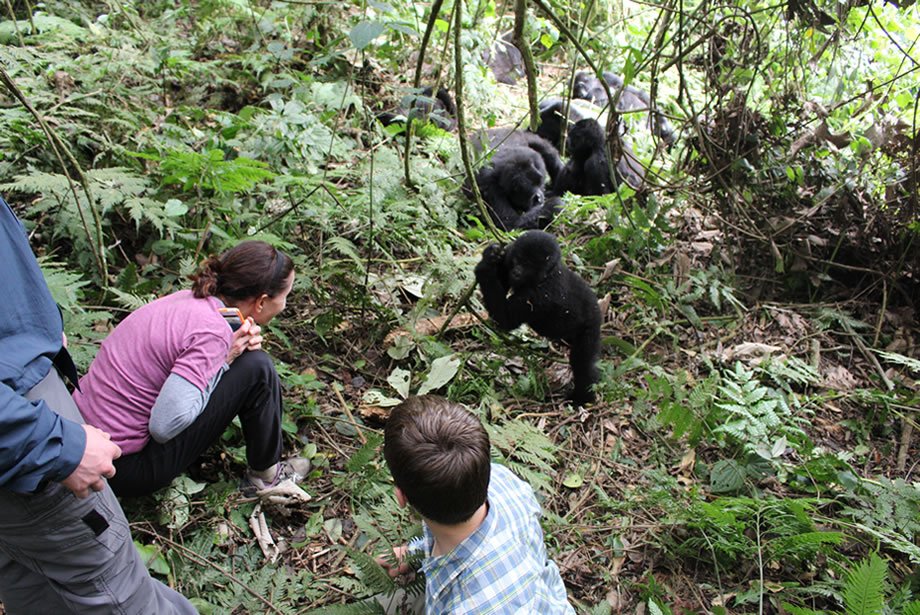
Understanding the best time of day for gorilla trekking helps you set expectations for your safari. Most gorilla treks start in the early morning. The briefing happens around seven in the morning. You enter the forest shortly after. This timing is not random. It aligns with gorilla behaviour and weather patterns. Morning treks offer the best conditions. However, some parks offer afternoon treks as an alternative.
Your permit does not specify a time. You simply arrive at the park headquarters at the designated hour. The rangers organise the groups. The vast majority of visitors trek in the morning. This guide explains why morning is preferred and what to expect if you trek later.
Why Mornings Are the Standard
Gorillas are most active in the cooler morning hours. They feed, groom, and move through the forest. You are more likely to see them engaged in interesting behaviour. The light is also better for photography. The forest is cooler. The air is fresh. Trekking in the morning means you finish by early afternoon. This leaves time to rest or enjoy other activities.
In addition, morning rains are less common. Afternoon showers are frequent, especially in the wet seasons. Starting early increases your chance of a dry trek. The best time of day for gorilla trekking is undoubtedly the morning. It gives you the optimal experience in terms of weather and gorilla activity.
Afternoon Trekking Options
Some operators offer afternoon gorilla treks, particularly in Bwindi’s Rushaga sector. The afternoon briefing is usually around noon. You enter the forest and trek for several hours. Afternoon treks can work if you arrive late in the morning. They are also an option if you prefer a slower start to your day. However, they are less common. Not all sectors offer them. You must request this when booking.
Moreover, afternoons are warmer. Gorillas may be resting. The light can be harsher for photos. Rain is more likely. The best time of day for gorilla trekking remains the morning. But an afternoon trek is still an incredible experience. The gorillas are just as magnificent. You simply need to be flexible.
The Briefing and Group Assignment
Regardless of the time, you gather at the park headquarters. Rangers divide you into groups of up to eight. They assign gorilla families based on fitness and preference. The briefing covers safety rules. Then you drive to the trailhead. The trek begins. The duration is unpredictable. Finding the gorillas can take one hour or six. The time of day does not change the trek itself. It only changes the starting conditions.
Furthermore, the morning energy is palpable. Trekkers are fresh and excited. The forest is waking up. The best time of day for gorilla trekking is when you feel ready. But the system is designed around mornings for good reason.
Practical Tips for Morning Treks
Wake up early. Eat a substantial breakfast. Your lodge will pack a lunch for you. Arrive at the headquarters on time. Dress in layers. Mornings are cool. You will warm up quickly as you hike. Use the restroom before the trek. There are no facilities in the forest. A porter can carry your daypack and provide support.
Therefore, plan for a morning trek. It is the standard for a reason. The best time of day for gorilla trekking offers the most comfortable conditions and the most active gorillas. You will not be disappointed.