
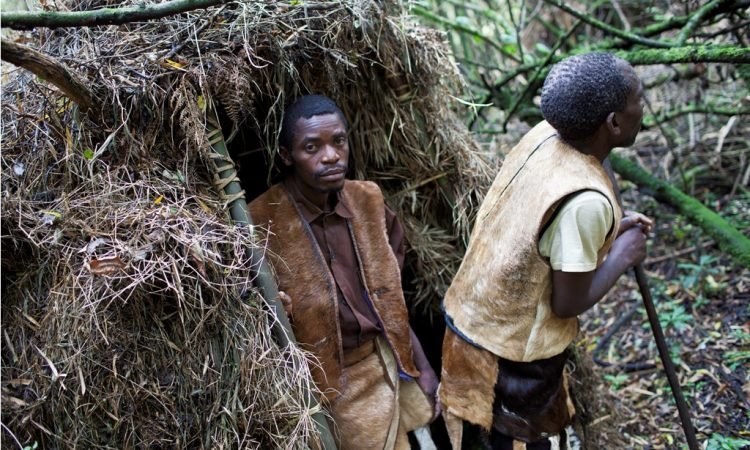
Community tourism around Bwindi Forest adds a rich cultural dimension to your gorilla trekking safari. The forest is not just home to gorillas. It is surrounded by vibrant human communities. The Batwa people are the original inhabitants of the forest. Local Bakiga farmers live on the terraced hills. Engaging with these communities deepens your understanding of the region. Your visit supports their livelihoods and preserves their heritage.
Community tourism is an integral part of the conservation model. A share of gorilla permit fees funds local projects. Community-run experiences provide alternative incomes. This reduces pressure on the forest. This guide highlights the best community experiences near Bwindi. You can meet the people who live alongside the gorillas and contribute to their wellbeing.
The Batwa Cultural Experience
The Batwa are the forest’s original inhabitants. They lived as hunter-gatherers in Bwindi for millennia. When the forest became a national park, they were displaced. Today, Batwa communities share their heritage with visitors. You can walk with Batwa guides through the forest. They demonstrate ancient skills. Fire-making, bow-hunting, and medicinal plants are part of their daily knowledge. The experience is authentic and educational. Your fee supports Batwa families directly.
In addition, you hear their songs and stories. You learn about their deep spiritual connection to the forest. Community tourism around Bwindi Forest is a powerful way to understand conservation’s complex history. The Batwa experience is both moving and enlightening.
Village Walks and Farm Visits
Many lodges organise gentle village walks. You visit local homes and schools. You meet farmers tending their crops. The terraced hills are a patchwork of bananas, beans, and coffee. You can taste fresh produce and local dishes. The banana beer tasting is a fun highlight. Children wave and smile. The interactions are genuine and warm. You see how families live and work. The pace is relaxed and unhurried.
Moreover, you can visit a tea or coffee cooperative. You learn about the harvesting and processing. You buy directly from the farmers. Community tourism around Bwindi Forest connects you to the land and its people. These encounters are often the most memorable part of a safari.
Craft Markets and Women’s Projects
Several community groups sell handmade crafts. Baskets, carvings, and jewellery are made from local materials. The Ride 4 a Woman project in Buhoma empowers women through sewing and crafts. You can visit their workshop. You buy genuine souvenirs directly from the makers. Your money stays in the community. It funds education and healthcare for families. The crafts are beautiful and meaningful. You take home a piece of Bwindi’s spirit.
Furthermore, these projects build skills and confidence. Women gain financial independence. Community tourism around Bwindi Forest has a transformative impact. Your purchase is a direct contribution to this change.
How to Engage Respectfully
Always ask before taking photographs. Greet people warmly. A smile and a local greeting go far. Dress modestly in villages. Listen to your guide’s advice. They know the community well. Be curious and open. Community tourism is an exchange. You learn from them. They benefit from you. Mutual respect is the foundation. Your visit should feel like a welcome, not an intrusion.
Therefore, include community experiences in your safari. Community tourism around Bwindi Forest enriches your gorilla trek. You leave with deeper connections and a broader perspective.