
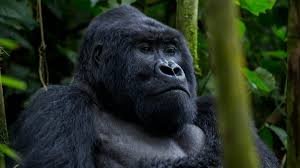
Endangered mountain gorillas and tourism have a uniquely positive relationship. In many parts of the world, tourism harms wildlife. But for mountain gorillas, it is their lifeline. The revenue from gorilla trekking permits funds anti-poaching patrols, veterinary care, and community projects. Without tourism, the gorillas would be far more vulnerable. Your visit directly contributes to their survival. This is conservation in action.
Mountain gorillas are classified as endangered. Only around one thousand individuals remain. They live in two isolated populations. One is in the Virunga Massif. The other is in Bwindi Impenetrable Forest. Their habitat is surrounded by dense human populations. The pressure on the land is intense. Tourism provides an economic reason to protect the forest. This guide explains how tourism helps gorillas and how you can be a responsible visitor.
How Tourism Funds Gorilla Protection
Gorilla trekking permits are expensive. In Uganda, a permit costs eight hundred dollars. In Rwanda, it costs fifteen hundred dollars. A significant portion of this fee goes directly to conservation. That revenue pays for ranger patrols that remove snares and guard against poachers. Beyond security, it funds veterinary care for sick or injured gorillas. Most importantly, that same money supports the research that guides every major management decision in the park. Every trekker helps keep these vital services running.
In addition, tourism creates jobs. Local people work as guides, porters, and trackers. They earn a living from gorilla conservation. This reduces the incentive to poach or encroach on the forest. Endangered mountain gorillas and tourism form a virtuous circle. Protection creates income. Income funds more protection.
Community Benefits and Forest Protection
Twenty percent of park fees in Uganda are shared with local communities. Rwanda has a similar model. This money builds schools, health clinics, and clean water projects. Communities see gorillas as assets. The forest is more valuable standing than cleared. This shift in perception is critical. People protect what benefits them. Tourism ensures that gorillas benefit local people.
Moreover, community members work in lodges and craft markets. They supply food to tourist facilities. The economic ripple effect is significant. Endangered mountain gorillas and tourism support entire regional economies. Your visit is an investment in people as well as wildlife.
Responsible Tourism Practices
Tourism must be managed carefully. Gorillas are vulnerable to human diseases. Strict health rules apply. Trekkers must keep a distance of seven metres. Flash photography is banned. Only a limited number of visitors are allowed each day. These rules minimise stress and disease risk. The experience is sustainable. Gorillas remain wild and undisturbed. Their natural behaviour continues. Responsible tourism ensures that the benefits outweigh the risks.
Furthermore, you can enhance your impact. Book with responsible operators. Hire local porters. Buy crafts from community cooperatives. Respect the rules. Endangered mountain gorillas and tourism work best when visitors are informed and conscientious.
The Future of Gorillas and Tourism
The mountain gorilla population is growing. This is rare among endangered species. Tourism has been central to this success. However, challenges remain. Climate change threatens the forest. Human populations continue to grow. Sustained funding is essential. The partnership between endangered mountain gorillas and tourism must continue. Your visit today helps secure their future. Every trekker becomes part of the conservation story.
Therefore, your safari has purpose. Endangered mountain gorillas and tourism are a model for wildlife conservation worldwide. You can trek with pride, knowing you are part of the solution.