
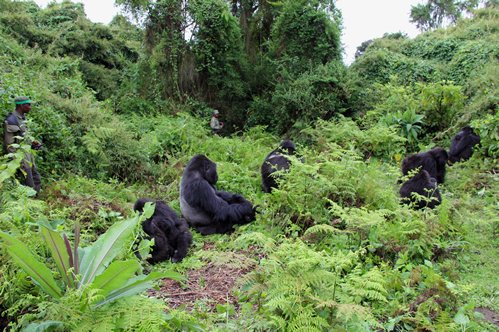
Gorilla trekking is one of the most powerful wildlife experiences in the world, offering travelers a rare chance to observe endangered mountain gorillas in their natural habitat. However, because these animals are critically endangered and highly sensitive to human presence, gorilla trekking must be done responsibly. This is where ethical tourism plays a crucial role.
Ethical tourism in gorilla trekking is about protecting wildlife, respecting local communities, minimizing environmental impact, and ensuring that tourism contributes positively to conservation. At All Budget Safaris, we strongly promote responsible travel practices that help preserve mountain gorillas for future generations while giving travelers an unforgettable experience.
What is Ethical Tourism in Gorilla Trekking?
Ethical tourism refers to traveling in a way that respects nature, wildlife, and local people. In gorilla trekking, it means following strict guidelines that ensure gorillas are not disturbed and their habitat remains protected.
It also involves supporting conservation efforts and ensuring that tourism benefits the communities living around national parks in Uganda, Rwanda, and Congo.
Ethical gorilla trekking is not just about observing animals—it is about protecting them.
Why Ethical Gorilla Trekking Matters
Mountain gorillas are one of the rarest primates on Earth, with just over 1,000 individuals remaining in the wild. They live in fragile ecosystems that are easily affected by human activity.
Without ethical tourism practices, gorillas could face:
- Disease transmission from humans
- Habitat destruction
- Behavioral changes due to disturbance
- Increased stress and reduced reproduction rates
Ethical tourism ensures that gorilla trekking contributes to their survival rather than threatening it.
Gorilla Trekking Rules That Protect Wildlife
Strict rules are in place to ensure gorilla trekking remains ethical and sustainable.
Visitors must:
- Maintain a minimum distance of 7 meters from gorillas
- Avoid direct eye contact or sudden movements
- Speak in low voices during encounters
- Never use flash photography
- Avoid eating or drinking near gorillas
- Follow ranger instructions at all times
These rules are designed to protect gorillas from stress, disease, and behavioral disruption.
By following them, tourists become part of conservation efforts.
Preventing Disease Transmission
One of the biggest threats to mountain gorillas is human disease.
Gorillas share about 98% of their DNA with humans, which makes them highly vulnerable to infections such as flu, coughs, and respiratory illnesses.
Ethical tourism requires:
- Visitors with illness symptoms to stay away from trekking
- Wearing masks in certain situations
- Maintaining physical distance
- Avoiding unnecessary contact with vegetation near gorillas
These precautions help protect gorilla populations from outbreaks that could be devastating.
Limiting Tourist Numbers
To protect gorilla families, tourism authorities strictly limit the number of visitors allowed per day.
Each gorilla group is visited by only one small group of tourists per day, usually for one hour.
This controlled system helps:
- Reduce stress on gorillas
- Minimize habitat disturbance
- Allow natural behavior to continue
- Improve visitor experience quality
This is a key principle of ethical wildlife tourism—less impact, better conservation.
The Role of Ranger Guides and Conservation Teams
Ranger guides are central to ethical gorilla trekking. They are responsible for protecting both visitors and gorillas.
Their duties include:
- Tracking gorilla movements daily
- Ensuring safe and respectful visitor behavior
- Monitoring gorilla health and behavior
- Enforcing trekking rules
- Educating tourists about conservation
Their work ensures that tourism does not harm the animals and that encounters remain safe and controlled.
How Tourism Supports Gorilla Conservation
Ethical gorilla trekking directly contributes to conservation funding.
Permit fees help support:
- Anti-poaching patrols
- Veterinary interventions for sick or injured gorillas
- Habitat protection and park management
- Scientific research and monitoring
- Community development projects
Without tourism revenue, many conservation programs would struggle to survive.
This makes every responsible gorilla trek an investment in wildlife protection.
Supporting Local Communities Through Tourism
Ethical tourism also focuses on benefiting people living near gorilla habitats.
Communities around national parks often depend on tourism for their livelihoods. Revenue from gorilla trekking helps create:
- Jobs for guides, porters, and rangers
- Income for local artisans and businesses
- Improved schools and healthcare facilities
- Alternative livelihoods that reduce dependence on forest resources
Hiring local porters during trekking is one of the most direct ways tourists can support communities.
Respecting Gorilla Behavior in the Wild
Ethical tourism requires visitors to respect natural gorilla behavior at all times.
This means:
- Not attempting to touch gorillas
- Avoiding loud or sudden movements
- Not feeding or offering any objects
- Observing quietly without interfering
Gorillas are wild animals, and maintaining their natural behavior is essential for their survival and well-being.
Respectful observation ensures that tourism does not change how gorillas behave in the wild.
Environmental Protection in Gorilla Habitats
Gorilla trekking takes place in fragile rainforest ecosystems that must be carefully protected.
Ethical tourism encourages:
- Staying on designated trails
- Avoiding littering in the forest
- Reducing plastic use
- Carrying reusable water bottles
- Minimizing noise pollution
Even small actions can have a big impact on preserving these ecosystems.
Healthy forests support not only gorillas but also thousands of other species.
The Impact of Responsible Photography and Filming
Photography and filming are important parts of gorilla trekking, but they must be done ethically.
Visitors should:
- Avoid using flash photography
- Not block gorilla movement for better shots
- Respect safe distance rules
- Prioritize animal welfare over perfect images
Responsible photography ensures that gorillas remain comfortable and undisturbed during human encounters.
Choosing Responsible Tour Operators
One of the most important decisions in ethical gorilla trekking is choosing a responsible tour operator.
A good operator will:
- Follow official conservation guidelines
- Work with licensed guides and rangers
- Support local communities
- Educate travelers on responsible behavior
- Promote sustainable tourism practices
At All Budget Safaris, we are committed to ethical and sustainable gorilla trekking experiences across Uganda, Rwanda, and Congo.
How Travelers Can Practice Ethical Tourism
Every traveler has a role to play in protecting gorillas and their environment.
Simple actions include:
- Following all park rules
- Respecting wildlife distance guidelines
- Supporting local businesses and porters
- Avoiding unnecessary environmental impact
- Learning about gorilla conservation before the trip
Ethical tourism starts with awareness and responsible choices.
The Future of Gorilla Conservation Depends on Tourism
Gorilla trekking has become one of the greatest conservation success stories in Africa.
Thanks to ethical tourism:
- Mountain gorilla populations are increasing
- Communities are benefiting economically
- Forest habitats are being protected
- Global awareness about conservation is growing
However, this success depends on continued responsible tourism practices.
Every visitor plays a role in shaping the future of gorilla conservation.