
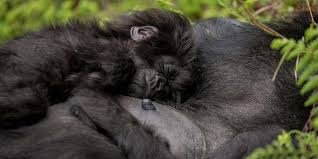
Gorilla trekking is one of the most rewarding wildlife experiences in Africa, offering rare opportunities to observe endangered mountain gorillas in their natural rainforest habitat. For many travelers, photography becomes a key part of the adventure. However, capturing high-quality images in dense, misty forests requires preparation, patience, and the right techniques.
Below are essential gorilla trekking photography tips to help you capture powerful, emotional, and memorable wildlife images during your safari.
Understand the Challenges of Gorilla Trekking Photography
Before heading into the forest, it is important to understand the unique challenges involved in gorilla photography.
Mountain gorillas live in dense tropical rainforests where lighting conditions are often low due to thick tree canopies. Mist, shadows, and sudden rain can make photography more difficult, especially for beginners.
Gorillas are also highly active animals. Juveniles may climb trees quickly, while adults often rest or feed in partially hidden areas within thick vegetation.
In addition, visitors are only allowed one hour with the gorillas after locating them. This limited time means photographers must work quickly and efficiently to capture meaningful shots.
Proper preparation helps you make the most of these rare and unforgettable moments.
Use the Right Camera Equipment
Choosing the right gear can significantly improve your gorilla trekking photography results.
A camera with strong low-light performance is highly recommended. DSLR and mirrorless cameras perform best in forest environments due to their flexibility and image quality.
A zoom lens (such as 70–200mm or 100–400mm) is ideal because visitors must maintain a safe distance from the gorillas.
Wide-angle lenses can also be useful for environmental shots that show gorillas within their forest habitat.
For travelers who prefer lighter gear, modern compact cameras and high-quality smartphones can still deliver impressive results when used correctly.
Avoid Using Flash Photography
Flash photography is strictly prohibited during gorilla trekking.
Sudden flashes can disturb or frighten gorillas, especially infants and younger group members. It may also disrupt natural behavior, which conservationists work hard to protect.
Instead of flash, adjust your camera settings—such as ISO, aperture, and shutter speed—to improve performance in low light.
Modern cameras handle high ISO levels well, allowing you to capture clear images without disturbing the animals.
Use Fast and Proper Camera Settings
Because gorillas move frequently, using the right camera settings is essential for sharp images.
A faster shutter speed (around 1/250 or higher) helps freeze movement and reduce blur, especially when photographing playful juveniles.
A wide aperture (such as f/2.8, f/4, or f/5.6) allows more light into the camera and creates a beautiful background blur that highlights the subject.
Higher ISO settings may be necessary in darker forest conditions.
It is highly recommended to practice these settings before your safari to improve confidence during the actual trek.
Focus on Gorilla Eyes and Expressions
The eyes are the most powerful part of gorilla photography.
Gorillas display deep emotions through their eyes and facial expressions, including curiosity, calmness, intelligence, and playfulness.
Focusing sharply on the eyes creates strong emotional connection in your images.
Close-up portraits of silverbacks, mothers, and infants often produce the most impactful photographs from the entire safari.
Be Patient and Observe Behaviour
Patience is key to successful gorilla photography.
Instead of rushing to take photos, take time to observe gorilla behavior. This helps you anticipate meaningful moments.
Gorillas naturally pause while feeding, grooming, resting, or interacting with family members—these are the best moments to capture.
Juvenile gorillas are especially playful and provide excellent action photography opportunities.
Understanding behavior also ensures you photograph responsibly without disturbing the animals.
Respect Gorilla Trekking Rules
Photography must always follow gorilla conservation guidelines.
Maintain a safe distance of at least seven meters from the gorillas at all times. Getting too close can stress them and increase disease risks.
Avoid sudden movements, loud noises, or blocking their natural paths for photos.
Always follow ranger instructions carefully to ensure both your safety and the well-being of the gorillas.
Responsible photography supports long-term conservation efforts.
Prepare for Rainforest Weather
Rainforests are unpredictable, so proper preparation is essential.
Carry waterproof camera covers or rain sleeves to protect your equipment from sudden rain.
Use microfiber cloths to clean lenses affected by moisture or mist.
A lightweight waterproof backpack helps keep your gear safe while hiking.
Avoid carrying unnecessary equipment since trekking can be physically demanding.
Carry Extra Batteries and Memory Cards
Camera batteries drain faster in cold and humid forest conditions.
Always carry spare batteries and extra memory cards to avoid missing important moments.
Keeping batteries warm inside your jacket can help extend battery life.
Since gorilla encounters are unpredictable, preparation is essential.
Use Natural Light Creatively
Forest lighting can be soft, dramatic, and atmospheric when used correctly.
Look for natural light openings in the canopy to highlight gorilla faces or fur.
Mist and shadows can create artistic and emotional images.
Side lighting and soft contrasts often produce the most powerful results in rainforest photography.
Include the Forest Environment
Do not focus only on close-up portraits.
Including the surrounding forest helps tell a complete story of the gorillas’ natural habitat.
Wide shots showing gorillas among trees, vines, and misty landscapes add depth and context to your safari photos.
This combination of portraits and environment creates a richer photography collection.
Hire a Porter for Photography Support
Hiring a porter can greatly improve your photography experience.
Porters help carry camera gear, backpacks, and water, allowing you to move more comfortably during the trek.
They also assist on steep or slippery sections of the trail.
With less physical burden, you can focus more on photography and enjoying the gorilla encounter.
Hiring porters also supports local communities near the national parks.
Smartphone Photography Tips
Smartphones can still produce excellent gorilla trekking photos if used properly.
Clean your lens regularly and use portrait mode where possible.
Stabilize your phone carefully to avoid blur in low light.
Avoid using digital zoom excessively, as it reduces image quality.
Even with limitations, smartphones can still capture powerful and memorable safari moments.
Best Time for Gorilla Photography
The dry seasons (June to September and December to February) are generally the best for gorilla photography.
During these months, trails are easier to walk, and lighting conditions are often better.
However, rainy seasons also offer unique advantages such as misty forests, rich greenery, and dramatic lighting effects.
Each season provides different photographic opportunities depending on your style.
Ethical Wildlife Photography Matters
Ethical photography is extremely important during gorilla trekking.
Always prioritize the welfare of the gorillas over getting the perfect shot.
Avoid disturbing their behavior or attempting risky movements for better angles.
Responsible photography helps protect endangered gorillas and promotes global conservation awareness.
By sharing respectful and authentic images, you contribute to the long-term survival of these incredible primates.