
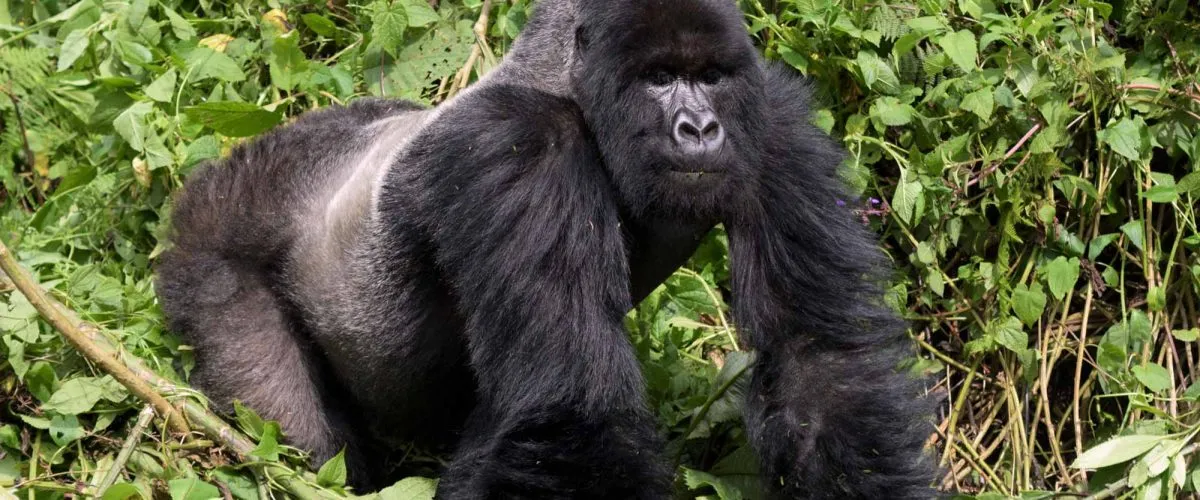
The history of mountain gorillas in East Africa is a story of discovery, near extinction, and remarkable recovery. Mountain gorillas were unknown to Western science until 1902. A German officer, Captain Robert von Beringe, shot two on the Virunga volcanoes. They were identified as a new subspecies. News spread. Hunters, collectors, and zoos pursued them. Their numbers plummeted. By the 1980s, fewer than three hundred remained. They faced extinction.
Today, the population has risen to over one thousand. This turnaround is a conservation triumph. Tourism has played a central role. This guide traces the key milestones in gorilla history. Understanding the past deepens appreciation for every gorilla encounter.
Early Discovery and Threats
After their discovery, mountain gorillas faced relentless pressure. Poaching for trophies and bushmeat was common. Habitat loss accelerated as forests were cleared for farming. Their remote homes offered some protection. But the threats were relentless. By the mid-twentieth century, the subspecies was critically endangered. Scientists warned of imminent extinction. The gorillas needed urgent protection.
In addition, conflict in the region added to the crisis. Wars in Congo and Rwanda displaced people into gorilla habitat. Refugees cut trees for firewood. The forest shrank. These intense pressures have shaped the entire history of mountain gorillas in East Africa. Survival was far from guaranteed.
Dian Fossey and the Conservation Movement
Dian Fossey arrived in the Virungas in 1967. She established the Karisoke Research Center. Her work transformed gorilla conservation.Over years of patient work, she habituated gorillas to her presence and studied their behaviour in extraordinary detail. More importantly, she fought fiercely against poachers, putting her own life on the line to protect every family she loved. Her book and the film “Gorillas in the Mist” brought global attention. Fossey was murdered in 1985. Her legacy endures. The research and protection she started continue today.
Moreover, Fossey’s approach of active protection became the model. Rangers patrol daily. Snares are removed. Gorilla health is monitored. The history of mountain gorillas in East Africa turned a corner because of her dedication.
The Rise of Gorilla Tourism
Tourism began in the 1970s and expanded in the 1990s. The idea was simple. Gorillas could pay for their own protection. Revenue from permits funds rangers, veterinarians, and community projects. Locals saw the economic value of living gorillas. Poaching lost its appeal. The first habituated families welcomed visitors. Uganda opened Bwindi for trekking. Rwanda rebuilt Volcanoes National Park after the genocide. Tourism became the financial engine of conservation.
Furthermore, Uganda Wildlife Authority introduced the gorilla habituation experience. This deepened the connection between people and gorillas. The history of mountain gorillas in East Africa became a success story. Tourism proved that wildlife could thrive alongside human development.
Current Status and Future Challenges
The population now exceeds one thousand individuals. The IUCN reclassified the species from critically endangered to endangered. This is a rare conservation win. However, challenges remain. Habitat is still limited. Human populations around the parks are growing. Climate change threatens the forest. Gorillas remain vulnerable to disease. Continued funding is essential. Tourism must remain sustainable. Every generation continues to write the history of mountain gorillas in East Africa. Every trekker contributes to the next chapter.
Therefore, your visit is part of this ongoing story. The history of mountain gorillas in East Africa teaches us that conservation works. The gorillas’ future depends on our continued commitment.