
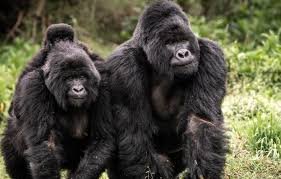
Gorilla trekking is one of the most exciting wildlife experiences in Africa, allowing travelers to encounter endangered mountain gorillas in their natural forest habitat. Every year, thousands of visitors travel to Uganda, Rwanda, and Congo to experience this unforgettable adventure. However, many travelers often wonder how difficult gorilla trekking really is before booking their safari.
The truth is that gorilla trekking can be physically demanding, but it is achievable for most travelers with reasonable fitness levels and proper preparation. The experience involves hiking through tropical rainforests, climbing hills, crossing uneven terrain, and sometimes walking for several hours in search of gorilla families. Despite the challenges, the reward of meeting mountain gorillas face-to-face makes every step worthwhile.
At All Budget Safaris, we help travelers prepare for successful gorilla trekking adventures by offering expert guidance, customized itineraries, and practical travel advice for every fitness level.
What Makes Gorilla Trekking Challenging?
Several factors determine how difficult gorilla trekking may feel during your safari. These include the terrain, altitude, weather conditions, trekking duration, and the movement of the gorilla families being tracked.
Mountain gorillas live in dense tropical forests located in mountainous regions. These forests contain steep slopes, muddy trails, thick vegetation, and uneven ground, which can make hiking more demanding than regular nature walks.
The trekking experience is unpredictable because gorillas move freely through the forest. Some gorilla families may stay close to the park headquarters, while others travel deeper into the mountains. This means trekking times can vary greatly from one group to another.
How Long Does Gorilla Trekking Take?
One of the biggest uncertainties about gorilla trekking is the duration of the hike. Gorilla trekking can take anywhere from 30 minutes to over 6 hours depending on where the gorillas are located on that particular day.
Some travelers are lucky to find gorillas relatively close to the starting point, while others may hike longer distances through steep terrain before locating the gorilla family.
Once the gorillas are found, visitors are allowed to spend one hour observing them in their natural habitat. This hour often becomes the highlight of the entire safari experience.
Because trekking duration is unpredictable, travelers should mentally prepare for both short and long hikes.
Gorilla Trekking Terrain and Forest Conditions
The terrain in gorilla trekking destinations is one of the main reasons the activity is considered physically demanding.
In Uganda, gorilla trekking mainly takes place in Bwindi Impenetrable National Park and Mgahinga Gorilla National Park. Bwindi is especially known for its dense vegetation, steep hills, narrow trails, and thick forest cover.
In Rwanda, trekking occurs in Volcanoes National Park, which features volcanic slopes and bamboo forests. Although Rwanda’s terrain can still be steep, some travelers find the trekking conditions slightly easier compared to parts of Bwindi.
In Congo, gorilla trekking in Virunga National Park combines rugged mountain terrain with adventurous hiking trails.
Rainy weather can also increase trekking difficulty because the trails become muddy and slippery. Trekkers often need good balance and sturdy hiking boots to move comfortably through wet conditions.
Does Altitude Affect Gorilla Trekking?
Yes, altitude can affect some travelers during gorilla trekking. Most gorilla habitats are located at elevations ranging between 2,200 and 4,000 meters above sea level.
At higher altitudes, the air becomes thinner, which may cause fatigue, shortness of breath, or reduced energy levels, especially for travelers who are not used to mountainous environments.
However, gorilla trekking is usually done at a moderate pace with frequent breaks, allowing most visitors to adjust comfortably during the hike.
Travelers are encouraged to stay hydrated and move slowly while trekking to reduce the effects of altitude.
Is Gorilla Trekking Suitable for Older Travelers?
Many people assume gorilla trekking is only for young or highly athletic travelers, but this is not true. Older travelers successfully complete gorilla treks every year with proper preparation and assistance.
Uganda and Rwanda offer sedan chairs or stretcher services carried by local porters for travelers who may have mobility challenges or difficulty hiking long distances. These services allow elderly visitors and people with limited physical fitness to enjoy gorilla trekking comfortably.
Park authorities also assign gorilla groups based on visitor fitness levels whenever possible. Travelers who prefer easier hikes can request gorilla families located closer to the starting points.
At All Budget Safaris, we help arrange suitable trekking sectors and support services for travelers of all ages.
Do You Need to Be Physically Fit for Gorilla Trekking?
You do not need to be an athlete to enjoy gorilla trekking, but a moderate level of fitness is helpful. Preparing your body before the safari can make the experience more comfortable and enjoyable.
Simple activities such as walking, hiking, jogging, or climbing stairs several weeks before the trek can improve stamina and leg strength.
Travelers who regularly engage in physical activity often find trekking easier, especially when hiking on steep slopes or muddy trails.
Even if you are not highly fit, determination, patience, and a positive attitude can help you successfully complete the trek.
How Difficult is Gorilla Trekking in Uganda Compared to Rwanda?
Uganda and Rwanda both offer excellent gorilla trekking experiences, but the level of difficulty may vary slightly between destinations.
Uganda’s Bwindi Impenetrable National Park is generally considered more physically demanding because of its rugged terrain, dense forests, and steep hills. Some trekking sectors in Bwindi involve challenging hikes through thick vegetation and deep valleys.
Rwanda’s Volcanoes National Park is often viewed as slightly easier due to better-maintained trails and more open bamboo forests in certain areas. Additionally, Rwanda’s gorilla trekking base is closer to Kigali, reducing long travel times.
However, both destinations still require hiking through mountainous terrain, and trekking difficulty ultimately depends on the location of the gorilla family on the day of the trek.
The Role of Porters During Gorilla Trekking
Hiring a porter is highly recommended during gorilla trekking, especially for travelers concerned about the physical demands of the hike.
Porters help carry backpacks, camera equipment, water, and personal items, reducing the physical burden during the trek. They also provide support while climbing steep or slippery sections of the trail.
In many cases, porters assist trekkers by offering a helping hand through difficult terrain, making the experience safer and less tiring.
Hiring porters also supports local communities because many porters earn livelihoods from tourism around the national parks.
Tips to Make Gorilla Trekking Easier
There are several ways travelers can reduce the difficulty of gorilla trekking and enjoy a smoother experience.
Wearing proper hiking boots with strong grip is essential for navigating muddy and uneven trails. Lightweight waterproof clothing is also important because forest weather can change quickly.
Travelers should carry enough drinking water, energy snacks, and walking sticks for additional support during the hike.
Pacing yourself during the trek is important. Gorilla trekking is not a race, and guides allow visitors to move at comfortable speeds with regular breaks along the way.
Mental preparation is equally important. Understanding that the trek may be physically demanding helps travelers stay positive and focused throughout the experience.
Is Gorilla Trekking Worth the Effort?
Despite the physical challenges, most travelers describe gorilla trekking as one of the greatest wildlife experiences of their lives. The moment you finally encounter a mountain gorilla family in the forest makes every difficult step worthwhile.
Watching gorillas feed, groom, play, and interact at close range creates emotional and unforgettable memories. Many visitors say the experience feels deeply personal and life-changing.
The adventure also contributes directly to gorilla conservation and supports local communities through sustainable tourism.
For nature lovers, photographers, wildlife enthusiasts, and adventure travelers, gorilla trekking offers a rare opportunity to connect with one of the world’s most endangered species in their natural environment.
Best Time for Easier Gorilla Trekking
The dry seasons from June to September and December to February are generally considered the best times for easier gorilla trekking.
During these months, the trails are less muddy and easier to hike, making trekking more comfortable. The weather is also more predictable, which improves overall trekking conditions.
However, gorilla trekking remains possible throughout the year, and even rainy season treks can be highly rewarding with proper preparation.