
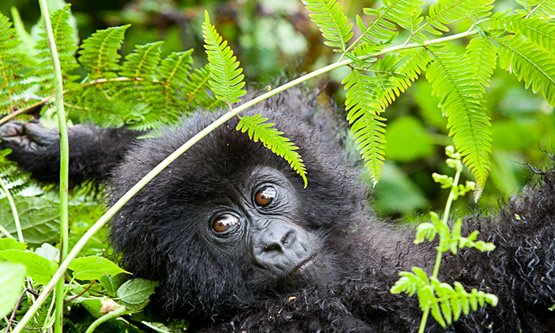
Gorilla trekking is widely known as one of Africa’s most thrilling wildlife experiences, but behind the adventure lies a powerful conservation success story. In Uganda and Rwanda, gorilla trekking has become one of the most effective tools for protecting endangered mountain gorillas while also supporting local communities and preserving fragile forest ecosystems.
At All Budget Safaris, we encourage travelers to understand that every gorilla trekking permit purchased directly contributes to conservation. What was once a critically endangered species is now slowly recovering thanks to tourism, protection efforts, and community involvement.
Funding Anti-Poaching and Park Protection
One of the most important ways gorilla trekking supports conservation is through funding anti-poaching patrols and park management. Gorillas face threats from illegal hunting, snares, and encroachment into their habitats.
In Uganda, conservation takes place in Bwindi Impenetrable National Park and Mgahinga Gorilla National Park, while in Rwanda it is focused in Volcanoes National Park. These parks rely heavily on revenue from gorilla permits to operate daily conservation activities.
Rangers are employed to patrol forests, remove snares, monitor gorilla families, and prevent illegal activities. Without tourism income, it would be extremely difficult to maintain such intensive protection efforts. Gorilla trekking therefore directly finances the people and systems that keep gorillas safe.
Supporting Scientific Research and Monitoring
Gorilla trekking also plays a key role in scientific research and long-term monitoring of gorilla populations. Each habituated gorilla group is closely observed by trained trackers and researchers.
These teams record important data such as gorilla births, deaths, health conditions, behavior patterns, and group movements. This information helps conservationists understand population trends and respond quickly to any threats.
A major contributor to gorilla conservation history is Dian Fossey, whose pioneering research in Rwanda laid the foundation for modern gorilla protection and habituation practices. Today’s conservation systems continue to build on her work, combining tourism with science.
Through gorilla trekking, visitors indirectly support this research, ensuring that conservation decisions are based on accurate and up-to-date data.
Habituation and Reducing Human-Wildlife Conflict
Before gorilla trekking can take place, gorilla families must undergo a process called habituation. This is the gradual training of wild gorillas to accept human presence without fear or aggression.
Habituation is essential because it allows tourists to observe gorillas safely while minimizing stress to the animals. It also reduces the likelihood of conflict between gorillas and humans.
Wild gorillas sometimes come close to villages or farmland bordering protected areas. When communities understand gorilla behavior and conservation rules, conflict is reduced significantly. Park authorities work closely with locals to ensure gorillas remain safe within protected forest boundaries.
Gorilla trekking therefore helps create a balance between wildlife conservation and human development.
Generating Revenue for Conservation Projects
Gorilla trekking permits are among the most valuable tourism products in Africa. A significant portion of the revenue generated from these permits is reinvested directly into conservation programs.
These funds support forest protection, wildlife research, ranger salaries, and infrastructure development inside national parks. They also help maintain roads, ranger posts, and monitoring equipment used in conservation operations.
The success of gorilla tourism in both Uganda and Rwanda shows how sustainable tourism can fund wildlife protection more effectively than traditional conservation methods alone.
Because gorilla trekking attracts high-value tourism, it provides consistent funding that ensures long-term conservation stability.
Improving Local Community Livelihoods
A key reason gorilla conservation has been successful is the involvement of local communities living near protected areas. Without community support, conservation efforts would face significant challenges.
Gorilla trekking creates jobs and income opportunities for thousands of people. Local residents work as park rangers, guides, porters, lodge staff, drivers, and craft vendors.
In Uganda, communities around Bwindi Impenetrable Forest benefit from revenue-sharing programs, where a percentage of tourism income is returned to villages for development projects such as schools, health centers, and clean water systems.
When communities benefit from gorilla tourism, they are more likely to support conservation and protect gorillas rather than exploit forest resources.
Reducing Poaching Through Economic Incentives
Before the rise of gorilla tourism, poaching was one of the biggest threats to mountain gorillas. Gorillas were hunted for bushmeat or captured illegally, and their habitats were often destroyed for farming or logging.
Today, gorilla trekking has changed this situation by providing alternative livelihoods. Communities that once depended on forest exploitation now benefit from tourism income.
This economic shift has significantly reduced poaching levels in Uganda and Rwanda. Former poachers have even been recruited into conservation roles as trackers and guides, using their forest knowledge to help protect gorillas instead of harming them.
The transformation of local economies is one of the strongest conservation achievements linked to gorilla trekking.
Strengthening Protected Area Management
Gorilla trekking has also improved the overall management of protected areas. National parks such as Volcanoes National Park and Bwindi are now better equipped with trained staff, modern equipment, and improved infrastructure.
Revenue from tourism allows park authorities to invest in fire control systems, disease prevention measures, and habitat restoration projects. It also supports education programs that teach visitors and local communities about conservation.
Strict trekking rules, such as limiting group sizes and controlling visitor time with gorillas, ensure minimal disturbance to wildlife. These regulations help maintain a sustainable balance between tourism and conservation.
Protecting Gorillas from Disease
Mountain gorillas share many genetic similarities with humans, making them vulnerable to human diseases. Even common illnesses like flu or colds can seriously affect gorilla populations.
Gorilla trekking regulations include strict health guidelines, such as maintaining safe distances, wearing masks in some parks, and prohibiting visits when visitors are sick. These measures help reduce the risk of disease transmission.
Funds from tourism also support veterinary teams, such as the Gorilla Doctors, who provide emergency medical care to injured or ill gorillas. This specialized care has saved many gorillas over the years.
Without tourism revenue, maintaining these high levels of health protection would be extremely difficult.
Encouraging Global Conservation Awareness
Gorilla trekking has helped raise global awareness about wildlife conservation. Tourists from around the world visit Uganda and Rwanda, experience gorilla encounters, and return home as conservation ambassadors.
Many visitors become more conscious of environmental issues after witnessing the close relationship between humans and gorillas. This awareness often leads to increased support for conservation organizations and sustainable tourism initiatives.
Media coverage, documentaries, and travel stories inspired by gorilla trekking have also played a major role in educating the global public about endangered species protection.
Ensuring Long-Term Survival of Mountain Gorillas
Thanks to gorilla trekking and conservation efforts, mountain gorilla populations have increased over the past few decades. This is a rare success story in global wildlife conservation.
Carefully managed tourism, combined with strong government policies and community involvement, has helped stabilize and slowly grow gorilla numbers in the wild.
While mountain gorillas are still classified as endangered, their future is far more secure today than it was in the past. This progress shows that conservation works when tourism, science, and local communities work together.
Plan a Responsible Gorilla Safari with All Budget Safaris
At All Budget Safaris, we are committed to responsible tourism that supports gorilla conservation and benefits local communities. Our gorilla trekking safaris in Uganda and Rwanda are designed to be ethical, sustainable, and unforgettable.
We ensure that every trip contributes directly to conservation through park fees, local partnerships, and responsible travel practices. Whether you are trekking in Bwindi Impenetrable National Park or Volcanoes National Park, your journey helps protect one of the world’s most incredible species.
Gorilla trekking is not just an adventure—it is a vital conservation tool that ensures mountain gorillas continue to survive for future generations.