
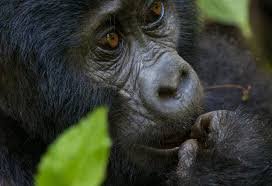
Gorilla trekking is often seen as a wildlife experience focused on endangered mountain gorillas, but behind every trek is a much bigger story—one that involves local communities, livelihoods, education, and long-term development. In Uganda, Rwanda, and Congo, gorilla tourism has become one of the most important sources of income for people living around national parks.
At All Budget Safaris, we emphasize that gorilla trekking is not only about seeing gorillas in the wild, but also about supporting the people who protect and live alongside them.
Gorilla Tourism as a Source of Local Income
One of the most direct ways gorilla trekking supports local communities is through income generation.
Revenue from gorilla trekking permits is shared between wildlife authorities and surrounding communities. This money helps fund:
- Local development projects
- Community infrastructure
- Health and education services
- Small business opportunities
As tourism grows, more money flows into rural areas where employment opportunities are often limited.
This makes gorilla trekking a vital economic activity for thousands of households.
Creating Jobs for Local People
Gorilla trekking has created thousands of jobs for people living near national parks.
Some of the most common employment opportunities include:
- Park rangers and wildlife scouts
- Gorilla tracking guides
- Porters who assist tourists on hikes
- Hotel and lodge staff
- Drivers and tour coordinators
- Local craft sellers and artisans
These jobs provide stable income and reduce reliance on environmentally destructive activities such as poaching or illegal logging.
For many families, tourism is their main source of livelihood.
The Important Role of Porters
Porters play a key role in gorilla trekking experiences and are one of the most direct beneficiaries of tourism.
Their responsibilities include:
- Carrying backpacks and camera gear
- Assisting tourists on steep or slippery trails
- Providing support during difficult hikes
Hiring a porter not only makes trekking easier for visitors but also provides essential income for local families.
Many porters are young people from nearby villages who use this income to support education, healthcare, and household needs.
Supporting Local Farmers and Businesses
Gorilla tourism also benefits farmers and small business owners in surrounding communities.
Visitors staying in nearby lodges purchase:
- Fresh local food and produce
- Handicrafts and souvenirs
- Cultural performances and experiences
Local farmers supply fruits, vegetables, meat, and other goods to safari lodges and camps.
This creates a ripple effect where tourism supports entire local economies beyond just the national parks.
Community Development Projects Funded by Tourism
A portion of gorilla trekking revenue is invested in community development initiatives.
These include:
- Building schools and improving education facilities
- Constructing health centers and clinics
- Providing clean water projects
- Improving rural roads and infrastructure
- Supporting youth and women empowerment programs
These developments improve living standards and create long-term benefits for communities living near gorilla habitats.
Reducing Poverty and Encouraging Conservation
Before the growth of gorilla tourism, many local communities depended heavily on forest resources for survival. This sometimes led to poaching, deforestation, and human-wildlife conflict.
Gorilla trekking has helped change this by:
- Providing alternative income sources
- Reducing dependence on illegal activities
- Encouraging community participation in conservation
- Increasing awareness of wildlife protection
When communities benefit from tourism, they become active protectors of gorillas and their habitat.
Education and Awareness Programs
Tourism revenue also supports education initiatives that help local communities understand the importance of conservation.
Programs often focus on:
- Wildlife conservation education in schools
- Community awareness about protecting gorillas
- Training programs for guides and rangers
- Scholarships for students in tourism-related fields
These programs help build a generation that values both wildlife and sustainable development.
Cultural Tourism and Community Experiences
Gorilla trekking is often combined with cultural tourism experiences that directly benefit local communities.
Visitors can engage in:
- Traditional dance performances
- Village walks and cultural tours
- Local craft making demonstrations
- Storytelling and community visits
These activities provide additional income streams while preserving cultural heritage.
They also allow travelers to better understand the connection between people and conservation areas.
Employment in Conservation and Park Management
Many local people are employed directly in conservation roles.
These include:
- Anti-poaching patrol teams
- Wildlife monitoring staff
- Veterinary support teams
- Research assistants
- Park maintenance workers
These jobs ensure that local communities are actively involved in protecting gorillas and other wildlife species.
It also strengthens the relationship between conservation authorities and nearby residents.
Supporting Women and Youth Empowerment
Gorilla tourism has played an important role in empowering women and young people in rural areas.
Programs supported by tourism revenue help:
- Women’s cooperatives producing handicrafts
- Youth training in hospitality and guiding
- Small business development initiatives
- Financial literacy and entrepreneurship programs
This creates economic independence and improves social stability in communities around national parks.
Infrastructure Development Around Parks
As tourism grows, infrastructure in surrounding communities also improves.
This includes:
- Better roads and transport systems
- Improved communication networks
- Access to electricity in remote areas
- Development of tourism facilities such as lodges and camps
These improvements benefit both tourists and local residents, making remote areas more accessible and livable.
The Role of Tourists in Community Support
Travelers play a direct role in supporting local communities through their choices.
Tourists contribute by:
- Paying gorilla trekking permit fees
- Staying in community-friendly lodges
- Hiring local guides and porters
- Buying local crafts and services
- Participating in cultural experiences
Every decision made by a traveler has a direct impact on local livelihoods.
Responsible tourism ensures that benefits reach the people who need them most.
Uganda as a Model for Community-Based Tourism
Uganda is widely recognized as a leader in community-based conservation tourism.
In areas around Bwindi Impenetrable National Park and Mgahinga Gorilla National Park, communities actively participate in tourism programs and receive a share of revenue.
This model has helped:
- Reduce poverty levels
- Increase gorilla populations
- Improve conservation success
- Strengthen community ownership of wildlife protection
It is a strong example of how tourism and conservation can work together effectively.
Long-Term Benefits of Gorilla Tourism
The impact of gorilla trekking extends far beyond immediate income.
Long-term benefits include:
- Sustainable livelihoods for rural communities
- Improved conservation awareness
- Reduced environmental degradation
- Stronger local economies
- Stable funding for wildlife protection
This creates a cycle where conservation and community development support each other.