
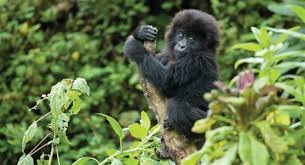
Gorilla trekking is one of the most carefully managed wildlife experiences in Africa. Despite taking place in dense tropical forests and involving close encounters with wild animals, it is considered very safe when done with licensed tour operators and trained park rangers.
At All Budget Safaris, we prioritize traveler safety by working only with certified guides and national park authorities in Uganda and Rwanda. Gorilla trekking is highly regulated, and strict rules are in place to protect both visitors and mountain gorillas.
Strict Safety Rules in Gorilla National Parks
Gorilla trekking is conducted in protected areas such as Bwindi Impenetrable National Park, Mgahinga Gorilla National Park, and Volcanoes National Park.
Before every trek, visitors attend a detailed safety briefing by park rangers. These guidelines are strictly enforced to ensure safe interaction with gorillas and the forest environment.
Some of the key rules include:
- Keeping a minimum safe distance from gorillas
- Avoiding direct eye contact with aggressive gestures
- Staying in a group led by rangers
- Limiting the visit to one hour once gorillas are found
- Not trekking when sick (to protect gorillas from human diseases)
These rules significantly reduce any risk during the experience.
Protection by Highly Trained Rangers
One of the main reasons gorilla trekking is safe is the presence of armed and highly trained Uganda Wildlife Authority and Rwanda Development Board rangers. These professionals accompany every trekking group from start to finish.
Rangers are trained in wildlife behavior, forest navigation, and emergency response. They track gorilla movements daily and ensure visitors are directed to safe and habituated gorilla families.
Their knowledge of the forest makes trekking organized and secure, even in dense and remote terrain.
Habituated Gorilla Families
Tourists only visit habituated gorilla families—groups of gorillas that have undergone a long process of gradual human exposure. This process is called habituation.
Habituated gorillas are familiar with human presence and do not perceive visitors as a threat. This makes interactions calm and controlled.
Only a limited number of gorilla groups are open for tourism, ensuring that both animals and visitors remain safe during encounters.
Low Risk of Gorilla Aggression
Mountain gorillas are generally peaceful and gentle animals. Despite their size and strength, they are not naturally aggressive toward humans unless provoked.
Silverbacks, the dominant males, may display protective behavior, such as chest beating or vocalization, but these are usually warning signs rather than attacks.
As long as visitors follow ranger instructions and maintain distance, the risk of dangerous encounters is extremely low.
Physical Safety in the Forest
Gorilla trekking takes place in mountainous rainforest environments that can be challenging to navigate. Trails may be steep, muddy, and slippery, especially after rain.
To ensure safety, porters are available to assist trekkers with luggage and support during difficult sections of the hike. Many visitors hire porters not only for convenience but also for added stability and guidance.
Proper trekking boots, long clothing, and walking sticks provided by parks further enhance physical safety during the hike.
Health Safety Measures
Health protection is a critical part of gorilla trekking safety. Because gorillas share a high percentage of DNA with humans, they are vulnerable to human diseases.
Visitors are required to follow strict health guidelines, including:
- Maintaining at least 7 meters distance from gorillas
- Wearing face masks in some trekking areas
- Avoiding coughing or sneezing near gorillas
- Not visiting if showing flu-like symptoms
These measures protect both tourists and gorillas, ensuring safe and responsible tourism.
Wildlife and Environmental Safety
Besides gorillas, forests in Uganda and Rwanda are home to other wildlife such as forest elephants, buffaloes, and various primates. However, encounters with dangerous animals during trekking are extremely rare.
Rangers are trained to monitor forest conditions and avoid unsafe areas. Gorilla trekking routes are carefully selected based on daily tracking information.
This system ensures that visitors are guided through safe and well-monitored trails at all times.
Security in Uganda and Rwanda
Both Uganda and Rwanda are considered safe travel destinations for tourism. Gorilla trekking regions are well protected, with strong security presence around national parks.
Uganda’s tourism areas such as Bwindi Impenetrable Forest and Mgahinga Gorilla National Park are stable and regularly patrolled. Rwanda’s Volcanoes National Park is also known for its high level of security and well-organized tourism system.
Tourists are generally required to travel with registered tour operators, which adds an extra layer of safety and coordination.
Emergency Preparedness
Park authorities and tour operators have emergency response systems in place. In rare cases of illness, injury, or unexpected situations, rangers can quickly coordinate evacuation or medical assistance.
Communication systems are available in most trekking areas, allowing rangers to stay connected with park headquarters.
This level of preparedness ensures that even remote forest treks remain safe and well-managed.
Why Gorilla Trekking is Considered Very Safe
When compared to many adventure tourism activities worldwide, gorilla trekking has an excellent safety record. The combination of trained rangers, habituated gorilla groups, strict rules, and controlled access makes it one of the safest wildlife encounters in Africa.
Most risks associated with gorilla trekking are related to hiking difficulty rather than wildlife encounters. With proper preparation and guidance, these risks are minimal.
Thousands of tourists complete gorilla trekking every year without incidents, making it a trusted and well-regulated safari activity.
Safety Tips for Travelers
To ensure a safe and enjoyable gorilla trekking experience, travelers should:
- Follow all ranger instructions carefully
- Wear proper hiking gear and boots
- Maintain good physical fitness before the trek
- Carry rain gear due to changing forest weather
- Hire a porter for support if needed
- Stay calm and respectful during gorilla encounters
Following these simple guidelines ensures a smooth and memorable experience.
Plan a Safe Gorilla Trekking Safari with All Budget Safaris
At All Budget Safaris, we organize safe, guided, and professionally managed gorilla trekking safaris in Uganda and Rwanda. We work only with certified park authorities and experienced guides to ensure every traveler has a secure and enjoyable journey.
Whether you are trekking in Bwindi Impenetrable National Park or Volcanoes National Park, your safety is our top priority from start to finish.
Gorilla trekking is not only one of the most exciting wildlife experiences in Africa—it is also one of the safest when done responsibly with trusted operators.