
Tucked away in the rolling hills of western Uganda, Lake Mburo National Park is one of East Africa’s most underrated yet rewarding safari destinations. Compact, accessible, and teeming with wildlife, this park offers a genuinely different experience from Uganda’s more famous gorilla trekking parks. Whether you are a first-time visitor to Uganda or a returning explorer, a Lake Mburo National Park safari promises a rich and intimate encounter with African wilderness.
Where Is Lake Mburo National Park Located?
Lake Mburo National Park sits along the borders of Kiruhura and Isingiro districts in western Uganda, approximately 240 kilometres by road from Kampala. This proximity to the capital city makes it one of the most accessible national parks in the country, a roughly four-hour drive along the Kampala–Mbarara highway. Travellers passing through or returning from a longer Uganda safari frequently add Lake Mburo as a stopover, and it is well worth the detour. The park covers approximately 370 square kilometres and sits at an altitude ranging between 1,220 and 1,828 metres above sea level, giving it a mild and pleasant climate throughout much of the year.
The Legend Behind the Name
The name “Mburo” traces back to a local oral tradition that speaks of two brothers, Kigarama and Mburo. According to the story, Kigarama had a troubling dream in which the valley was engulfed by flooding. He heeded the warning and relocated, urging his brother Mburo to do the same. Mburo dismissed the warning and refused to leave. Before long, the valley was indeed submerged, and everything Mburo owned was swept away with him. The lake that formed was named in his memory, and the story remains a compelling part of the cultural identity of this corner of Uganda.
Wildlife at Lake Mburo National Park
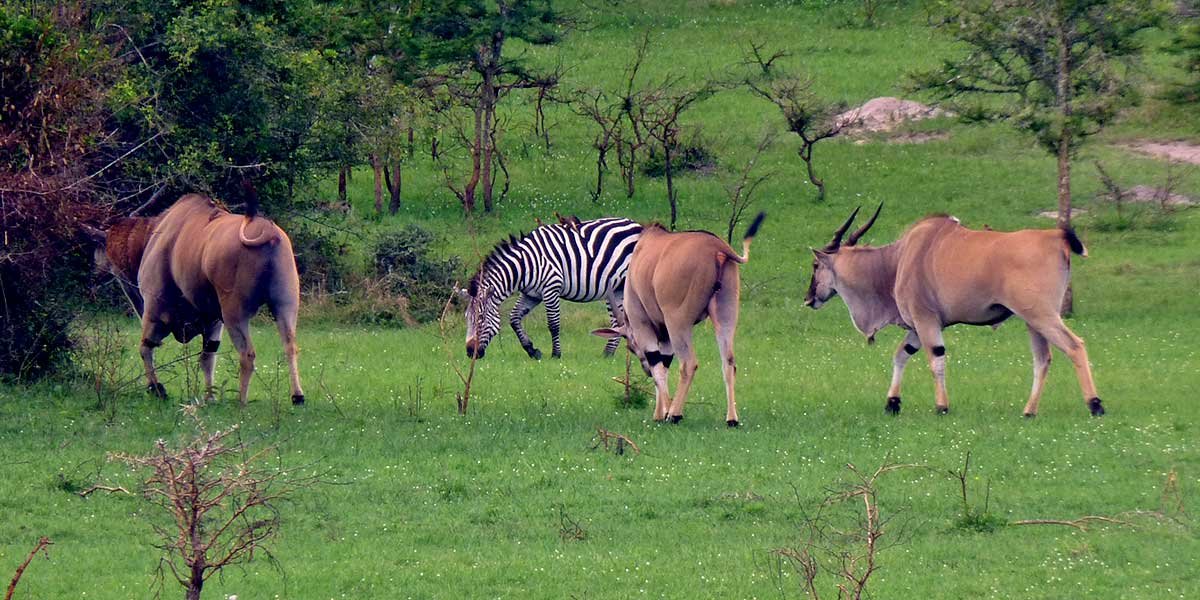
One of the most distinctive features of Lake Mburo National Park is that it is the only place in Uganda where you can find impalas. This alone draws wildlife enthusiasts keen on ticking off species rarely spotted elsewhere in the country. Beyond impalas, the park is home to nearly 70 mammal species. Game drives through the savanna and acacia woodland reveal Burchell’s zebras, buffaloes, elands, topi, Defassa waterbuck, warthogs, oribi, reedbuck, and bushbuck roaming freely. Predators including leopards and hyenas also inhabit the park, though sightings require patience and a good guide.
The five lakes within the park — Mburo, Kazuma, Kachera, Kijanebalola, and Nakivali — are home to healthy populations of hippos and Nile crocodiles, making water-based activities particularly exciting. Detailed information on the park’s wildlife and how to explore it is also available through the Lake Mburo National Park travel guide from All Budget Gorilla Safaris.
Birding at Lake Mburo National Park
For birdwatchers, Lake Mburo National Park is a genuine paradise. The park hosts over 315 bird species, many of them associated with the acacia woodlands that give the landscape its character. Among the species you may spot are the mosque swallow, black-bellied bustard, Rüppell’s long-tailed starling, southern ground hornbill, bare-faced go-away bird, and the African fish eagle. The rare shoebill stork can also be found in and around the wetland areas, making this park a bucket-list stop for serious birders. Guided birding walks through the Rubanga Forest are particularly popular and highly recommended for those who want to make the most of the avian diversity. If you are planning a broader birding adventure across Uganda, explore the birding safari in Uganda options that can be combined with a Lake Mburo visit.
Activities at Lake Mburo National Park
A Lake Mburo safari offers a wider range of activities than many other Ugandan parks, largely because game walks are permitted here — something that is restricted or unavailable in most of Uganda’s other protected areas.
Game drives are the most popular way to explore the park, taking you through open plains, rocky ridges, and forested gorges where wildlife is abundant. Evening game drives are especially rewarding as nocturnal animals begin to emerge.
The boat cruise on Lake Mburo is another highlight. Motorboat trips take you close to hippos wallowing in the shallows, crocodiles basking on the banks, and a stunning variety of waterbirds perched along the shore. The reflection of the lush green hills in the calm lake water makes for extraordinary photography. Those looking to book a quick but memorable visit should consider the 1-Day Lake Mburo Uganda Wildlife Adventure Safari, which combines a game drive and a boat cruise for a full day of wildlife immersion.
Guided nature walks offer a more intimate and slower-paced experience. With a ranger by your side, you can track animals on foot and explore the natural environment at close quarters, paying attention to the smaller details of the ecosystem that are easily missed from a vehicle. A walk to the salt lick is another unique experience — a hidden spot where animals gather to lick salt from the soil, allowing you to observe them at remarkably close range without disturbing them.
Horseback safaris and mountain biking through the park are also available for the more adventurous traveller, and sport fishing on the lakes offers a peaceful alternative to the typical safari activities.
Getting to Lake Mburo National Park
There are two main gates for entering the park. The Sanga Gate, accessed by turning left approximately 13 kilometres past Lyantonde on the Kampala–Mbarara highway, leads to the interior of the park. The Nshara Gate provides a second entry point and is about 20 minutes from Rwonyo, the park’s main headquarters. The drive from Kampala takes roughly four hours, making it an excellent addition to any broader Uganda itinerary. If you are planning a multi-park circuit, the park pairs particularly well with a visit to Murchison Falls National Park or a primate experience in Bwindi Impenetrable Forest.
Best Time to Visit Lake Mburo National Park
Lake Mburo National Park can be visited year-round, but the dry seasons from June to September and December to February offer the best conditions for game viewing. During these months, vegetation is lower and animals congregate around the lakes for water, making sightings more frequent and predictable. Birdwatching, however, is often better during the wet season from March to May and October to November, when migratory species arrive and resident birds display their breeding plumage.
Accommodation at Lake Mburo National Park
Accommodation options at Lake Mburo range from budget camping grounds to comfortable mid-range lodges and luxury tented camps. Rwonyo Rest Camp, run by the Uganda Wildlife Authority, offers affordable bandas and camping sites right inside the park. More upscale options include Mihingo Lodge, perched on a rocky hill with sweeping views of the lake, and Kigambira Safari Lodge, which provides comfortable cottages in a beautiful bush setting. Whatever your budget, the accommodation at Lake Mburo is perfectly positioned to give you early morning and late evening game access.
Plan Your Lake Mburo Safari with Us
Lake Mburo National Park may be smaller than Uganda’s most celebrated parks, but its charm, accessibility, and diversity of experiences make it an exceptional destination in its own right. Whether you are looking for a short wildlife break near Kampala or a meaningful add-on to a longer East African adventure, this park delivers memories that last a lifetime. To start planning your safari, visit our Uganda safaris page or browse our full range of Uganda national parks for inspiration. You can also explore the carefully crafted Uganda birding safaris and short Uganda safari packages to find the itinerary that fits your schedule perfectly. Contact us today to book your Lake Mburo National Park safari with expert guides who know every trail, bird call, and game track in this remarkable park.