
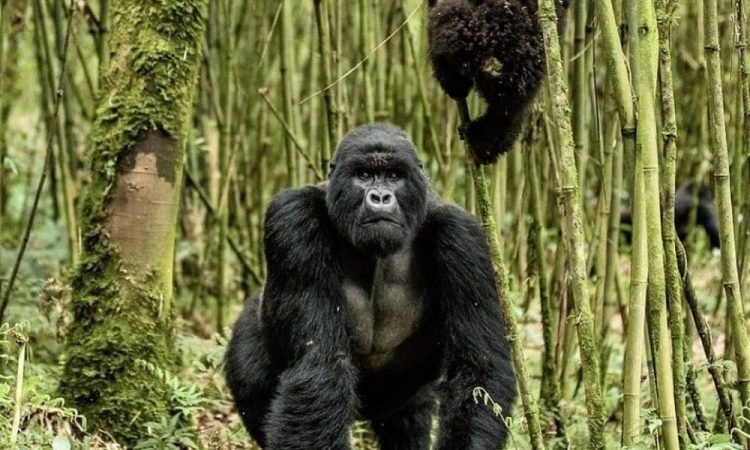
Gorilla trekking is one of Africa’s most unforgettable wildlife experiences, offering travelers the chance to observe endangered mountain gorillas in their natural forest habitat. However, because gorillas are highly vulnerable and closely related to humans, strict rules and regulations have been established to protect both visitors and the gorillas themselves.
Whether you plan to visit Bwindi Impenetrable National Park, Mgahinga Gorilla National Park, or other gorilla destinations in East Africa, understanding these regulations is essential for a safe and responsible trekking experience.
At All Budget Safaris, we always encourage travelers to follow gorilla trekking guidelines carefully to support conservation efforts and ensure a memorable safari adventure.
Maintain a Distance of 7 Meters from the Gorillas
One of the most important gorilla trekking regulations is maintaining a distance of at least 7 meters (about 23 feet) from the gorillas at all times.
Mountain Gorilla share almost 98% of human DNA, making them highly susceptible to human diseases such as flu, coughs, and infections. Even a minor illness can seriously affect gorilla populations.
Although gorillas sometimes move closer to visitors on their own, tourists should never intentionally approach or touch them. Ranger guides monitor visitor behavior carefully to ensure this rule is respected throughout the trek.
Do Not Trek if You Are Sick
Visitors who are sick with flu, cough, fever, or contagious illnesses are not allowed to participate in gorilla trekking activities.
This regulation exists because gorillas can easily catch diseases from humans. Park authorities and the Uganda Wildlife Authority take gorilla health very seriously to protect these endangered primates.
If a traveler feels unwell before trekking, it is better to inform the guides and postpone the activity rather than risk infecting the gorillas.
Follow Ranger Guide Instructions
Every gorilla trekking group is accompanied by experienced ranger guides and trackers who understand gorilla behavior and forest conditions.
Visitors must always follow instructions given by the guides during the briefing and throughout the trek. Guides help maintain safety, locate the gorillas, and explain proper conduct around the animals.
Ignoring ranger instructions can endanger both tourists and gorillas, especially when dealing with dominant silverbacks or unexpected wildlife encounters.
Keep Noise Levels Low
Mountain gorillas live in peaceful forest environments and can become uncomfortable with loud noises or sudden movements.
During trekking, visitors should speak quietly and avoid shouting, loud laughter, or unnecessary noise. Maintaining silence also improves the chances of hearing gorilla calls and observing natural behaviors within the forest.
Quiet behavior creates a calmer environment that allows visitors to enjoy a more authentic wildlife experience.
No Flash Photography
Photography is one of the highlights of gorilla trekking, but flash photography is strictly prohibited.
Bright flashes may disturb or frighten the gorillas, especially young gorillas and infants. Travelers are encouraged to use cameras with good low-light settings because forest conditions are often dark due to thick vegetation.
Visitors should also avoid moving too closely to the gorillas while taking photos.
Limit Time with the Gorillas
Once the gorilla family is located, visitors are usually allowed only one hour to observe them.
This time limit helps reduce stress on the gorillas and minimizes human interference with their daily routines. During the one-hour encounter, travelers can observe feeding, grooming, resting, and playful interactions among the gorillas.
Although many visitors wish to stay longer, limiting contact is important for conservation and responsible tourism.
Do Not Eat, Drink, or Smoke Near Gorillas
Eating, drinking, and smoking near gorillas are not allowed during the observation period.
Food particles, wrappers, or waste may spread diseases or pollute the gorillas’ environment. Smoking is prohibited because it can disturb wildlife and increase fire risks within forest ecosystems.
Visitors are advised to complete meals and snacks before approaching the gorilla family.
Avoid Direct Eye Contact with Silverbacks
Silverback gorillas are powerful leaders of gorilla families and may sometimes interpret prolonged direct eye contact as a challenge or threat.
If a silverback becomes agitated, visitors should remain calm, avoid sudden movements, and follow ranger instructions carefully. In some situations, guides may advise tourists to lower their eyes or crouch slightly to show submissiveness.
Fortunately, habituated mountain gorillas are generally peaceful and tolerant of visitors when trekking rules are respected.
Minimum Age Requirement for Gorilla Trekking
The minimum age for gorilla trekking in Uganda, Rwanda, and Congo is usually 15 years.
This regulation exists because gorilla trekking can involve long hikes through difficult terrain, dense forests, steep slopes, and unpredictable weather conditions. Younger children may struggle physically or react unpredictably around wildlife.
The age limit also helps reduce the risk of transmitting childhood illnesses to gorillas.
Do Not Litter in the Forest
Protecting gorilla habitats is extremely important for conservation. Visitors must avoid littering in national parks and forests during trekking activities.
All plastic bottles, snack wrappers, tissues, and personal waste should be carried out of the forest and disposed of properly. Responsible tourism helps preserve Uganda’s beautiful ecosystems for future generations.
Many parks encourage eco-friendly tourism practices to reduce environmental impact and support sustainable conservation.
Wear Appropriate Clothing and Gear
Visitors are encouraged to wear suitable trekking clothing and equipment for safety and comfort.
Recommended items include:
- Waterproof hiking boots
- Long-sleeved shirts and trousers
- Rain jackets
- Gardening gloves
- Insect repellent
- Drinking water
- Hats and sunscreen
Neutral-colored clothing is preferred because bright colors may disturb wildlife.
Proper preparation makes trekking easier, especially in muddy or steep forest environments.
Respect Gorilla Conservation Efforts
Volcanoes National Park, Bwindi Impenetrable National Park, and other gorilla habitats are protected conservation areas where strict environmental regulations apply.
Visitors should respect park rules, local communities, wildlife, and conservation initiatives at all times. Gorilla tourism plays a major role in funding wildlife protection, anti-poaching patrols, research, and community development projects.
By following gorilla trekking regulations, tourists directly contribute to the long-term survival of endangered mountain gorillas.
Why Gorilla Trekking Rules Matter
Gorilla trekking rules are not designed to limit enjoyment but to create a balance between tourism and conservation. Mountain gorillas remain endangered despite conservation success in recent years.
Responsible tourism ensures that future generations will continue to experience these incredible primates in the wild. The rules also help maintain safe and meaningful interactions between humans and gorillas.
For many travelers, gorilla trekking becomes a life-changing experience that deepens appreciation for wildlife conservation and nature protection.
Book Your Gorilla Safari with All Budget Safaris
At All Budget Safaris, we organize unforgettable gorilla trekking adventures in Uganda, Rwanda, and Congo. Our experienced safari team helps travelers prepare for their trek by providing permits, transportation, accommodations, packing advice, and professional guidance.
We are committed to responsible tourism and sustainable conservation practices while creating memorable African safari experiences for our guests.
Following gorilla trekking rules and regulations ensures a safe, respectful, and rewarding encounter with one of the world’s most extraordinary wildlife species.