
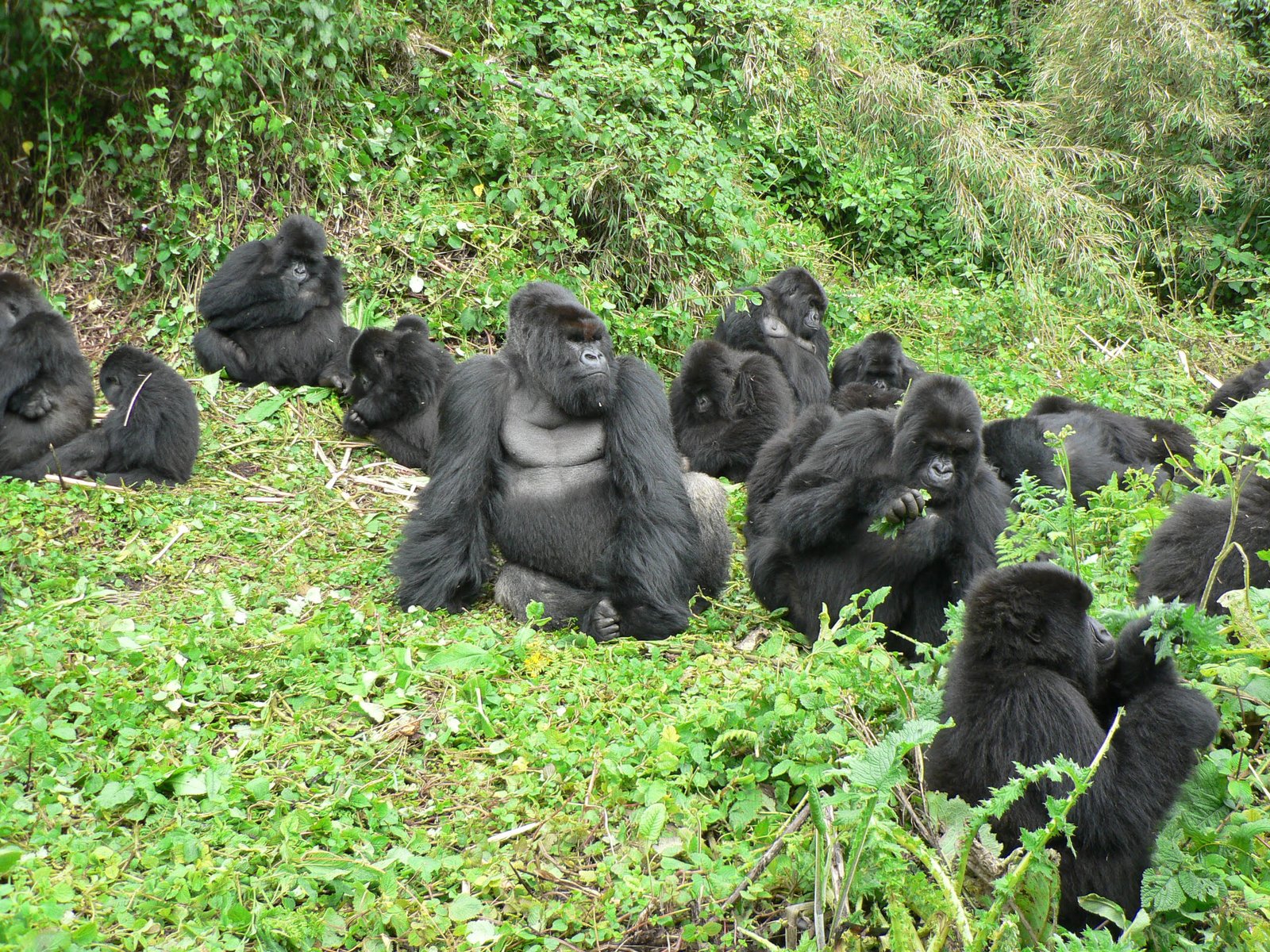
The Rwanda gorilla conservation success story is a remarkable example of how tourism can save a species. In the 1980s, mountain gorillas in the Virunga mountains faced extinction. Poaching and habitat loss had devastated their numbers. Today, the population is growing. Rwanda has positioned itself as a premium gorilla destination. The high permit price funds extensive protection. The gorillas are thriving. This success did not happen by accident. It was built on deliberate government policy and community involvement.
Rwanda’s approach is unique. The country focuses on high-value, low-volume tourism. Fewer visitors pay more. This reduces pressure on the gorillas while generating significant revenue. This guide explores the key elements of Rwanda’s conservation success. Your permit fee is a direct investment in this ongoing work.
Government Commitment and Policy
Rwanda’s government has made conservation a national priority. The Rwanda Development Board oversees gorilla tourism. Strict regulations protect the gorillas. Uganda Wildlife Authority issues only a limited number of permits every day. In 2017, the authority raised the permit price to fifteen hundred dollars to reflect the premium nature of the experience. Moreover, that money flows directly into conservation and community projects across the region. The government’s commitment is unwavering.
In addition, Rwanda has invested heavily in park infrastructure. Roads, lodges, and visitor facilities are world-class. The Rwanda gorilla conservation success story is built on this solid foundation. Political will has driven the recovery.
Anti-Poaching and Veterinary Care
Rangers patrol Volcanoes National Park daily. They monitor gorilla health and remove snares. The patrols are well-equipped and well-trained. Veterinary teams intervene when gorillas are sick or injured. The annual Kwita Izina ceremony names baby gorillas. This cultural event raises global awareness. It celebrates the gorillas as national treasures. Poaching has become extremely rare. The gorillas are closely guarded.
Moreover, the Dian Fossey Gorilla Fund continues research in the park. Scientific monitoring informs conservation decisions. The Rwanda gorilla conservation success story relies on this combination of protection and science.
Community Partnerships
Communities around Volcanoes National Park receive a share of tourism revenue. This funds schools, clinics, and infrastructure. Former poachers now work as guides, porters, and lodge staff. They have become the gorillas’ protectors. The revenue-sharing model creates a direct link between gorilla survival and community wellbeing. People see the value in keeping the forest intact.
Furthermore, community projects include agriculture support and handicraft cooperatives. These provide alternative incomes. The Rwanda gorilla conservation success story demonstrates that conservation and development can go hand in hand.
The Role of Tourism
Tourism is the financial engine. The high permit price generates substantial revenue. This funds all conservation activities. Visitors also support local businesses. The model is sustainable. Gorillas pay for their own protection. The Rwanda gorilla conservation success story has inspired similar approaches globally. Your visit is a vital part of this cycle. You contribute directly to gorilla survival.
Therefore, Rwanda’s success is well-earned. The Rwanda gorilla conservation success story proves that with commitment and smart policy, endangered species can recover. The gorillas’ future looks bright.