
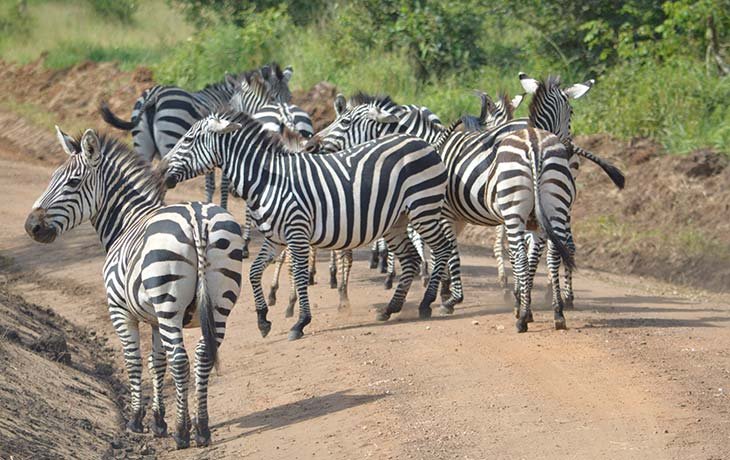
Safari photography in Uganda national parks offers incredible opportunities to capture Africa’s wildlife. The country’s diverse landscapes provide varied backdrops. You photograph gorillas in misty forests and lions on golden savannah. Each park presents unique challenges and rewards. Understanding your camera settings and the environment makes the difference. This guide shares practical tips for stunning safari images. Your photos will preserve the memories forever.
Uganda’s parks are less crowded than Kenya or Tanzania. You often have sightings to yourself. This means more time to compose shots without distraction. The light can be stunning. Early mornings bring soft golden tones. Evenings offer dramatic skies. With the right preparation, your safari album will be spectacular.
Camera Gear for Uganda Safaris
A DSLR or mirrorless camera with interchangeable lenses works best. A zoom lens covering 70-200mm handles most wildlife situations. A wider 24-70mm lens captures landscapes and habitat shots. Fast apertures like f/2.8 help in low forest light. Bring extra batteries and memory cards. Charging points can be limited in lodges.
A beanbag or small tripod steadies long lenses on game drives. Use a rain cover to protect gear from sudden showers. The forest is damp. Silica gel packets prevent moisture damage. A lens hood reduces flare. A blower brush removes dust. Safari photography in Uganda national parks demands robust, well-protected equipment. Pack light but complete.
Settings for Savannah and Forest
Savannah photography requires fast shutter speeds. Animals move unpredictably. Use at least 1/500 for walking subjects and 1/1000 for running. Aperture priority mode with auto ISO works well. Set a maximum ISO of 3200 or 6400. Modern cameras handle noise well. Use continuous autofocus with tracking. Frame your subject using the rule of thirds. Leave space in the direction the animal is looking.
Forest photography presents different challenges. Light is low. Gorillas and chimps inhabit dense vegetation. Open your aperture to f/2.8 or f/4. Raise your ISO as needed. A shutter speed of 1/250 freezes gentle movement. Flash is strictly forbidden with gorillas. Use silent shutter mode if available. The beep of a camera disturbs them. Safari photography in Uganda national parks requires adapting quickly to changing conditions.
Composition and Storytelling
Focus on the eyes. A sharp eye brings the animal to life. Use single-point autofocus for precision. Capture behaviour as well as portraits. A lion yawning or a gorilla grooming tells a story. Include the environment for context. Show the savannah or the forest. It places the animal in its world. Shoot from a low angle when possible. It makes the subject more imposing. Avoid placing the animal dead centre every time. Negative space adds drama.
Patience is your greatest tool. Wait for the perfect moment. Watch the animal’s rhythm. Anticipate action. A bird about to take flight. An elephant raising its trunk. These moments create powerful images. Safari photography in Uganda national parks rewards those who wait.
Practical Tips for Game Drives
Discuss your photography goals with your driver-guide. They position the vehicle for the best light and angle. Switch off the engine to reduce vibration. Use a beanbag on the window frame. Keep your camera ready at all times. Wildlife appears suddenly. Shoot in RAW format for maximum editing flexibility. Back up your images each evening. Label your memory cards. Do not spend the entire drive behind the lens. Absorb the moment with your own eyes. The best photo is the one that takes you back. Safari photography in Uganda national parks creates lasting treasures.