
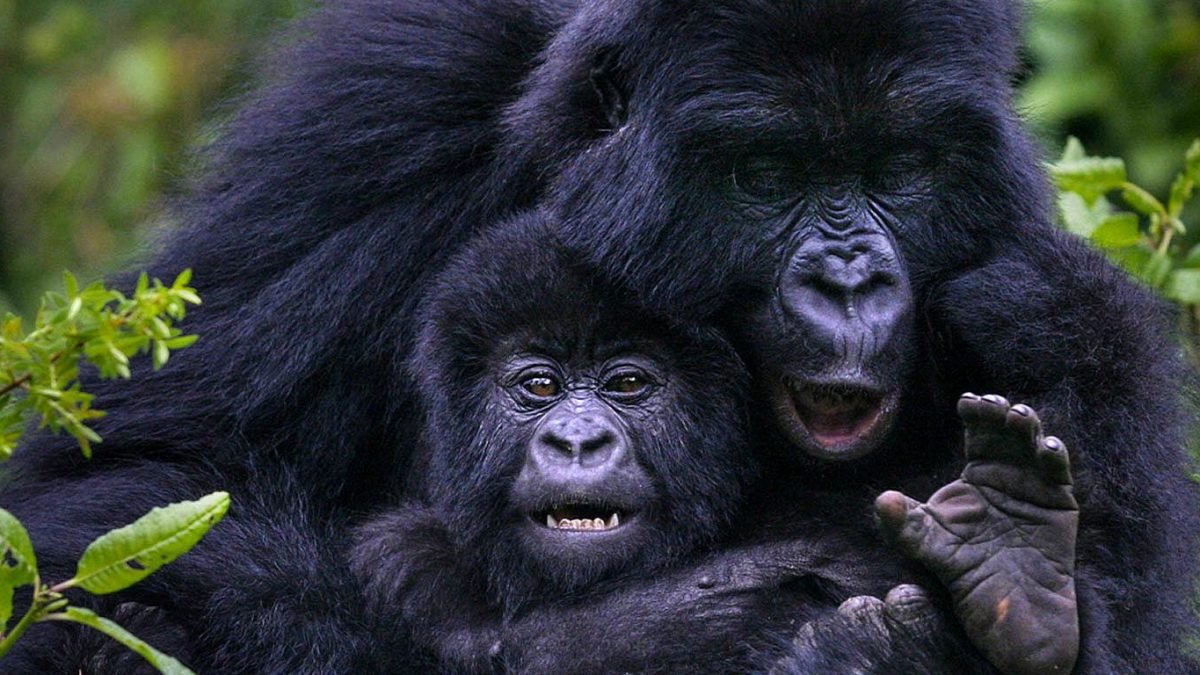
Mountain gorilla trekking is one of Africa’s most remarkable wildlife experiences. Deep within the misty forests of Uganda and Rwanda, travelers have the rare opportunity to meet endangered mountain gorillas in their natural habitat. Today, gorilla trekking attracts thousands of visitors from around the world, supporting conservation efforts and local communities. However, the journey to becoming one of Africa’s leading tourism activities has a long and inspiring history.
At All Budget Safaris, we believe that understanding the history of gorilla trekking helps travelers appreciate the importance of conservation and responsible tourism. Gorilla trekking in Uganda and Rwanda has evolved from early scientific exploration into a globally respected eco-tourism experience that protects wildlife and improves livelihoods.
Early Discovery of Mountain Gorillas
The history of gorilla trekking dates back to the early 1900s when mountain gorillas were first scientifically documented. In 1902, German explorer Captain Robert von Beringe encountered mountain gorillas in the Virunga Mountains. The species was later named Gorilla beringei in his honor.
During this period, gorillas were poorly understood. Many people believed they were dangerous wild animals. Hunting and habitat destruction threatened their survival, and little effort was made to protect them. The forests of present-day Rwanda, Uganda, and the Democratic Republic of Congo were heavily affected by human activities.
The Virunga region, which stretches across Rwanda, Uganda, and Congo, became the primary habitat of mountain gorillas. In Uganda, gorillas were found in the thick forests of Bwindi Impenetrable Forest and Mgahinga Gorilla National Park. In Rwanda, they inhabited the Volcanoes National Park region.
Establishment of National Parks
One of the most important steps in the history of gorilla trekking was the establishment of protected national parks. In 1925, the government established Volcanoes National Park in Rwanda, making it Africa’s first national park. The park was created mainly to protect mountain gorillas from poaching and habitat destruction.
Uganda later strengthened conservation efforts by gazetting Bwindi Impenetrable Forest and Mgahinga Gorilla National Park as protected areas. These forests became essential sanctuaries for the endangered gorillas.
The creation of these parks laid the foundation for modern gorilla tourism. Without conservation measures, mountain gorillas could have become extinct decades ago. Today, the parks remain among the most visited wildlife destinations in East Africa.
Dian Fossey and Gorilla Conservation
The history of gorilla trekking cannot be discussed without mentioning Dian Fossey. In the 1960s, Dian Fossey arrived in Rwanda to study mountain gorillas in the Virunga Mountains. She established the Karisoke Research Center between Mount Karisimbi and Mount Bisoke.
Fossey dedicated her life to studying and protecting mountain gorillas. At a time when poaching was widespread, she worked tirelessly to raise awareness about the dangers facing gorillas. Her research transformed the world’s understanding of gorilla behavior and social structure.
Through her conservation campaigns, Dian Fossey inspired global support for mountain gorilla protection. Her work eventually contributed to the development of gorilla tourism as a sustainable conservation strategy. Tourists became interested in seeing gorillas not as dangerous creatures, but as intelligent and gentle primates closely related to humans.
Her famous book, Gorillas in the Mist, and the later film adaptation brought international attention to Rwanda’s gorillas. Today, her legacy continues through conservation programs across Rwanda and Uganda.
Beginning of Gorilla Trekking Tourism
Gorilla trekking tourism officially began in Rwanda during the 1970s and early 1980s. Conservationists realized that tourism could generate revenue needed to protect gorillas and their habitats. Carefully controlled visits to habituated gorilla families started attracting adventurous travelers from Europe and North America.
The idea of gorilla habituation became central to trekking tourism. Habituation is the process of gradually training gorillas to tolerate human presence without fear or aggression. This process can take several years and requires skilled researchers and rangers.
Rwanda quickly became one of the leading destinations for gorilla trekking because of its relatively accessible terrain in Volcanoes National Park. The country promoted high-end gorilla tourism, attracting luxury travelers willing to pay premium permit fees.
Uganda later developed its own gorilla trekking industry in the 1990s after improving conservation systems in Bwindi Impenetrable National Park and Mgahinga Gorilla National Park. Uganda’s dense tropical forests offered a more adventurous trekking experience, appealing to both budget and luxury travelers.
Gorilla Trekking During Difficult Times
The gorilla tourism industry has survived several major challenges over the years. Rwanda’s tourism sector suffered heavily during the 1994 genocide, which disrupted conservation activities and reduced visitor numbers dramatically. Many feared that mountain gorillas would disappear due to insecurity and lack of protection.
However, Rwanda made an extraordinary recovery. The government invested heavily in conservation, security, and tourism infrastructure. Gorilla trekking soon returned stronger than before, becoming one of Rwanda’s leading tourism attractions.
Uganda also faced periods of instability during the 1970s and 1980s, which affected tourism activities. Despite these difficulties, conservation organizations and wildlife authorities continued protecting gorillas in Bwindi and Mgahinga.
The resilience of both countries helped rebuild international confidence in gorilla trekking. Today, Rwanda and Uganda are recognized among the safest and most rewarding safari destinations in Africa.
Growth of Gorilla Trekking in Uganda
Uganda has become one of the most popular destinations for gorilla trekking in Africa. The country is home to more than half of the world’s remaining mountain gorilla population, mainly found in Bwindi Impenetrable National Park and Mgahinga Gorilla National Park.
Bwindi Impenetrable National Park was declared a UNESCO World Heritage Site because of its rich biodiversity. The forest contains numerous habituated gorilla families open for tourism. Visitors can trek through thick jungle terrain while guided by experienced rangers and trackers.
Uganda is especially known for offering a wide range of trekking experiences suitable for different budgets. Compared to Rwanda, Uganda often provides more affordable gorilla permits, making it attractive for budget-conscious travelers.
Over the years, local communities around Bwindi and Mgahinga have benefited from gorilla tourism through employment, community projects, and cultural tourism opportunities. Revenue-sharing programs have improved schools, health centers, and infrastructure in nearby villages.
Development of Gorilla Trekking in Rwanda
Rwanda has positioned itself as a luxury gorilla trekking destination. Gorilla trekking takes place in Volcanoes National Park, part of the larger Virunga Conservation Area.
The country invested significantly in high-quality tourism services, eco-lodges, and road infrastructure. Travelers can reach Volcanoes National Park within a few hours from Kigali, making Rwanda convenient for short gorilla safari trips.
Rwanda also introduced strict conservation policies to ensure sustainable tourism. Only a limited number of permits are issued daily to minimize stress on gorilla families. Visitors must follow specific trekking rules, including maintaining distance from gorillas and limiting viewing time to one hour.
One of Rwanda’s major conservation successes is the annual Kwita Izina ceremony, where newborn gorillas are officially named. This event attracts conservationists, celebrities, and tourists from around the world while promoting awareness about gorilla protection.
Conservation Success Stories
The history of gorilla trekking is also a story of conservation success. Mountain gorillas were once critically endangered, with populations falling dangerously low in the 1980s. Thanks to tourism revenue, anti-poaching patrols, veterinary care, and community involvement, gorilla numbers have gradually increased.
Organizations such as the International Gorilla Conservation Programme, wildlife authorities, and conservation NGOs have played important roles in protecting gorillas. Revenue generated from trekking permits directly supports park management and conservation projects.
Today, mountain gorillas are among the few endangered species whose population is increasing. This achievement demonstrates how responsible tourism can positively impact wildlife conservation.
Tourists visiting Uganda and Rwanda contribute directly to these conservation efforts. Every gorilla permit purchased helps fund ranger salaries, habitat protection, and local community development.
Modern Gorilla Trekking Experience
Modern gorilla trekking is carefully organized to protect both visitors and gorillas. Treks begin early in the morning with briefings from park rangers. Visitors are assigned gorilla families based on fitness levels and trekking preferences.
Trekkers hike through forests, bamboo zones, and mountainous terrain until they locate the gorilla group. Once found, visitors spend one magical hour observing the gorillas feeding, grooming, and interacting naturally.
The experience is often described as life-changing. Seeing mountain gorillas in the wild creates a deep appreciation for nature and conservation.
Both Uganda and Rwanda now offer world-class safari experiences combined with gorilla trekking. Travelers can combine gorilla safaris with wildlife game drives, chimpanzee tracking, cultural tours, and birdwatching adventures.
Why Gorilla Trekking Matters Today
Gorilla trekking continues to play a vital role in protecting endangered mountain gorillas and supporting local economies. Tourism creates jobs for guides, trackers, lodge staff, drivers, and artisans in rural communities.
The success of gorilla tourism also encourages governments to preserve forests rather than convert them into farmland or settlements. Conservation and tourism work together to ensure gorillas survive for future generations.
Travelers who visit gorillas become ambassadors for conservation. Many return home with a stronger commitment to wildlife protection and sustainable travel practices.
Plan Your Gorilla Trekking Safari with All Budget Safaris
At All Budget Safaris, we specialize in unforgettable gorilla trekking adventures in Uganda and Rwanda. Whether you are looking for a budget safari, mid-range experience, or luxury gorilla tour, our team can help you plan the perfect journey.
We organize customized gorilla trekking packages that include permits, accommodation, transportation, and experienced safari guides. Our safaris also combine gorilla trekking with wildlife viewing, chimpanzee tracking, cultural encounters, and scenic tours across East Africa.
The history of gorilla trekking is a powerful reminder of how conservation and tourism can work together to protect wildlife. By choosing a responsible safari with All Budget Safaris, you become part of this incredible conservation story while enjoying one of Africa’s greatest adventures.