
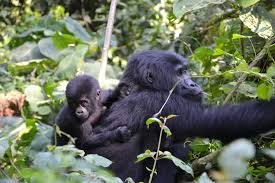
Gorilla trekking is one of the most exciting and unforgettable wildlife adventures in Africa. Taking place deep within the tropical rainforests of Uganda, Rwanda, and the Democratic Republic of Congo, this unique experience allows travelers to come face-to-face with endangered mountain gorillas in their natural habitat. For many visitors, gorilla trekking becomes the highlight of their African safari journey.
At All Budget Safaris, we organize affordable and customized gorilla trekking tours designed to give travelers an authentic and memorable experience. If you are planning your first gorilla trek, understanding what to expect can help you prepare properly and enjoy the adventure even more.
Early Morning Briefing at the Park Headquarters
A gorilla trekking day usually starts very early in the morning. Visitors wake up before sunrise and head to the national park headquarters for registration and briefing. In Uganda, popular trekking locations include Bwindi Impenetrable National Park and Mgahinga Gorilla National Park.
During the briefing, park rangers explain the trekking rules, safety guidelines, and what visitors should expect while in the forest. Tourists are then divided into small groups, with each group assigned a specific habituated gorilla family to track.
The allocation often depends on fitness levels because some gorilla groups are easier to reach while others require longer hikes through steep terrain.
Meeting Experienced Ranger Guides and Trackers
Each trekking group is accompanied by experienced ranger guides and armed park rangers who know the forest and gorilla movements very well. These professionals play a major role in ensuring both visitor safety and gorilla protection.
Trackers usually move ahead early in the morning to locate the gorilla families before tourists begin the trek. They communicate with guides using radios to help direct visitors toward the gorillas’ location.
The guides also provide information about the forest ecosystem, wildlife, birds, plants, and gorilla behavior during the trek, making the experience educational and enjoyable.
Hiking Through Dense Tropical Forests
One of the most exciting parts of gorilla trekking is the forest hike itself. Visitors walk through dense rainforests filled with giant trees, vines, bamboo vegetation, birds, butterflies, and other primates.
The trekking experience varies depending on the location of the gorilla family being tracked. Some gorillas may be located close to the starting point, while others may require several hours of hiking through steep and muddy terrain.
The hike can involve climbing hills, crossing streams, walking through thick vegetation, and navigating uneven forest trails. Although the trek can sometimes be physically demanding, the excitement of finding gorillas makes the journey worthwhile.
Hearing the First Gorilla Sounds
As visitors get closer to the gorilla family, the atmosphere becomes even more exciting. Guides may ask the group to remain quiet as they listen for sounds made by the gorillas.
You may hear branches breaking, soft grunts, chest beats, or movement through the vegetation before actually seeing the gorillas. These moments build anticipation and create unforgettable excitement.
The first sight of a massive silverback or playful young gorillas emerging from the forest is often emotional and breathtaking for many travelers.
Spending One Hour with the Gorillas
Once the gorilla family is located, visitors are allowed to spend one hour observing them in their natural habitat. This hour is carefully controlled to reduce stress and disturbance to the gorillas.
During the encounter, tourists can watch gorillas feeding, grooming, resting, climbing trees, and interacting with one another. Young gorillas often play around curiously while mothers care for their babies.
The dominant silverback usually keeps watch over the group and may occasionally display signs of strength or authority. Despite their enormous size, gorillas are generally calm and peaceful animals when left undisturbed.
The one-hour experience feels magical and passes very quickly because of the fascinating behaviors and close interactions witnessed.
Maintaining Safe Distance from Gorillas
Visitors are required to maintain a safe distance from the gorillas at all times. This rule helps reduce the risk of disease transmission since gorillas are highly susceptible to human illnesses.
Guides may occasionally adjust visitor positions to ensure everyone remains safe and respectful toward the gorillas. In some situations, curious gorillas may move closer to tourists, but visitors are advised to remain calm and avoid sudden movements.
Following ranger instructions carefully is essential for both visitor safety and gorilla conservation.
Amazing Photography Opportunities
Gorilla trekking offers incredible opportunities for photography and wildlife observation. Visitors can capture powerful images of silverbacks, mothers carrying infants, playful juveniles, and gorilla family interactions within the forest environment.
Photography is allowed during the trek, but flash photography is strictly prohibited because it may disturb the gorillas. Many travelers return home with some of the most memorable wildlife photographs of their lives.
Even visitors without professional cameras can enjoy excellent photography moments using smartphones or simple digital cameras.
Learning About Gorilla Behavior and Conservation
Gorilla trekking is not only an adventure but also an educational experience. During the trek, guides explain gorilla family structures, feeding habits, communication methods, and conservation efforts.
Visitors learn how mountain gorillas survive in their forest ecosystems and the challenges they face, including habitat loss, poaching, and disease threats.
Understanding the importance of gorilla conservation often inspires travelers to support wildlife protection and responsible tourism initiatives.
Physical Fitness and Trekking Difficulty
Many first-time visitors wonder whether gorilla trekking is difficult. The answer depends on the location of the gorilla family and individual fitness levels.
Some treks are relatively short and easy, while others can take several hours through steep and muddy terrain. However, park authorities usually assign easier gorilla groups to visitors who prefer shorter hikes.
Porters are also available to help carry bags and provide support during challenging sections of the trek. Hiring a porter not only makes trekking easier but also supports local community livelihoods.
Weather Conditions During Gorilla Trekking
Mountain gorillas live in tropical rainforests where weather conditions can change quickly. Rain is possible at any time, even during dry seasons.
The forests are often cool, humid, and muddy, especially in mountainous areas. Visitors should therefore expect wet conditions and prepare accordingly.
Despite occasional rain, trekking continues as scheduled because gorillas remain active within the forests throughout the year.
What to Pack for Gorilla Trekking
Proper preparation is important for a comfortable gorilla trekking experience. Essential items to carry include:
- Waterproof hiking boots
- Long-sleeved shirts and trousers
- Rain jacket or poncho
- Gardening gloves for handling vegetation
- Drinking water
- Energy snacks
- Camera without flash
- Insect repellent
- Hat and sunscreen
Wearing neutral-colored clothing is recommended because bright colors may disturb wildlife.
Gorilla Trekking Rules Every Visitor Must Follow
To protect mountain gorillas and ensure sustainable tourism, all visitors must follow strict trekking regulations.
Important rules include:
- Maintain at least 7 meters distance from gorillas
- Do not trek when sick
- Avoid loud noise in the forest
- No flash photography
- Do not touch the gorillas
- Spend only one hour with the gorilla family
- Follow ranger instructions at all times
These rules help minimize stress and disease transmission among gorillas.
Emotional and Life-Changing Experience
For many travelers, gorilla trekking becomes one of the most emotional and life-changing experiences they have ever had. Watching gorillas interact naturally within their families creates a deep appreciation for wildlife and conservation.
The experience often leaves visitors feeling inspired, humbled, and connected to nature in a powerful way. Many people describe gorilla trekking as a dream adventure worth every effort and expense.
Best Places for Gorilla Trekking in Uganda
Uganda is one of the best destinations in Africa for gorilla trekking because it hosts more than half of the world’s remaining mountain gorillas.
The main trekking destinations include:
- Bwindi Impenetrable National Park
- Mgahinga Gorilla National Park
Both parks offer incredible trekking experiences, beautiful forest scenery, and opportunities to combine gorilla trekking with other safari activities such as wildlife safaris, chimpanzee tracking, and cultural tours.
Best Time for Gorilla Trekking
Gorilla trekking can be done throughout the year, but the dry seasons are generally preferred because trails are easier to hike.
The best months include:
- June to September
- December to February
However, rainy seasons also offer excellent trekking opportunities with fewer crowds and greener forest landscapes.
Plan Your Gorilla Trekking Safari with All Budget Safaris
At All Budget Safaris, we specialize in affordable and unforgettable gorilla trekking adventures in Uganda and Rwanda. Our safari packages are carefully designed to suit solo travelers, couples, families, and groups looking for authentic African experiences.
We provide:
- Gorilla permits
- Comfortable accommodation
- Transportation services
- Professional safari guides
- Customized safari itineraries
- Additional wildlife and cultural experiences
Whether you are planning your first gorilla trek or a complete East African safari, our team is ready to help you create unforgettable memories in Africa’s breathtaking wilderness.