
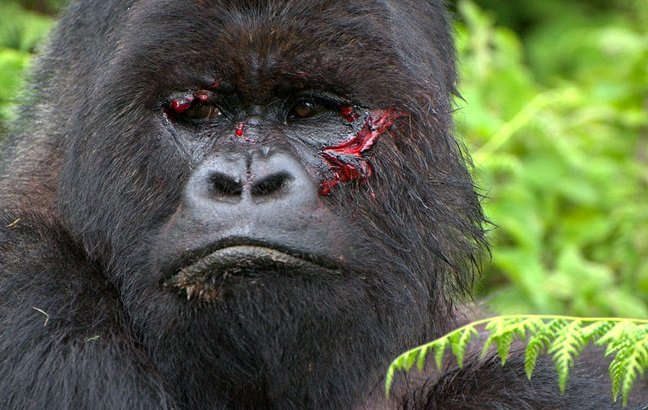
Mountain gorillas are among the world’s most remarkable primates, yet they remain endangered despite ongoing conservation efforts. Found only in the dense forests of East and Central Africa, these gentle giants face numerous threats that continue to affect their survival in the wild. Today, mountain gorillas are mainly protected in three countries: Uganda, Rwanda, and the Democratic Republic of Congo.
For travelers visiting Africa on gorilla trekking safaris, understanding why mountain gorillas are endangered helps create awareness about the importance of conservation and responsible tourism. At All Budget Safaris, we believe that educating travelers about gorilla protection is an essential part of preserving these incredible primates for future generations.
What Are Mountain Gorillas?
Mountain gorillas are a subspecies of the eastern gorilla and are among humanity’s closest relatives, sharing about 98% of human DNA. They live in high-altitude forests and volcanic mountain regions characterized by thick vegetation, cool temperatures, and mist-covered hills.
Unlike lowland gorillas, mountain gorillas have thicker fur that helps them survive in cold mountain environments. They live in family groups led by dominant silverbacks who protect and guide the troop.
Today, mountain gorillas are found only in the Virunga Conservation Area and Bwindi Impenetrable Forest. Their limited habitat is one of the main reasons they remain endangered.
Habitat Loss and Human Encroachment
One of the biggest threats to mountain gorillas is habitat destruction caused by growing human populations around protected forests. Communities living near gorilla habitats often depend on land for farming, grazing animals, firewood collection, and settlement expansion.
As forests are cleared for agriculture and development, gorilla habitats become smaller and more fragmented. This reduces the space available for feeding, nesting, and movement. Mountain gorillas rely heavily on intact forests because they feed on leaves, stems, bamboo shoots, fruits, and other vegetation found within these ecosystems.
Habitat loss also increases conflicts between humans and gorillas. In some cases, gorillas wander into farmland searching for food, leading to tensions with local communities.
Poaching and Illegal Hunting
Although mountain gorillas are not usually targeted directly for bushmeat, poaching remains a serious threat. Gorillas can become trapped in snares and traps set for other animals such as antelopes and wild pigs.
These wire snares can cause severe injuries, infections, or death. Young gorillas are especially vulnerable because they are curious and may accidentally touch hidden traps.
In some rare cases, gorillas have also been killed by poachers attempting to capture infants for illegal wildlife trade. Adult gorillas often die while trying to protect young members of the group.
Continuous anti-poaching patrols by wildlife authorities and conservation organizations have helped reduce illegal hunting, but the threat still exists in some areas.
Disease Transmission from Humans
Mountain gorillas are highly susceptible to human diseases because of their close genetic relationship with people. Even common illnesses like flu, coughs, or respiratory infections can become deadly to gorillas.
Tourism, research activities, and nearby human settlements increase the risk of disease transmission. Since gorillas live in close family groups, infections can spread rapidly among troop members.
To minimize this risk, strict gorilla trekking rules are enforced in Uganda, Rwanda, and Congo. Visitors are required to maintain a safe distance, avoid trekking when sick, and follow guidance from ranger guides.
Conservation groups also monitor gorilla health regularly and provide veterinary care when necessary through specialized wildlife medical teams.
Civil Conflict and Political Instability
Some mountain gorilla habitats are located in regions affected by political instability and armed conflict, particularly in eastern Congo. Wars and insecurity can disrupt conservation programs, reduce ranger patrols, and increase illegal activities within protected areas.
During periods of conflict, forests may be invaded by armed groups, refugees, illegal miners, or poachers. This creates additional pressure on gorilla habitats and threatens wildlife protection efforts.
Park rangers working in these dangerous environments often risk their lives to protect gorillas and maintain conservation activities.
Climate Change and Environmental Pressure
Climate change is becoming another growing threat to mountain gorillas and their forest habitats. Changes in rainfall patterns, temperatures, and vegetation growth can affect food availability and forest ecosystems.
Extreme weather events such as droughts, landslides, or heavy rainfall may damage fragile mountain environments where gorillas live. Since mountain gorillas occupy a very limited geographical range, environmental changes can have significant long-term impacts.
Protecting forests and promoting sustainable environmental practices are essential in reducing climate-related threats to gorilla populations.
Low Population Numbers
Mountain gorillas have one of the smallest populations among great apes. Although conservation efforts have helped increase their numbers in recent years, the population remains vulnerable because it is still relatively small.
Female mountain gorillas reproduce slowly, usually giving birth to one baby after a pregnancy of about eight and a half months. Infants require several years of care before becoming independent.
This slow reproduction rate means that population recovery takes a long time, especially when gorillas face threats such as disease, habitat loss, or poaching.
How Gorilla Tourism Helps Conservation
Responsible gorilla tourism has become one of the most successful conservation tools in East Africa. Gorilla trekking permits generate revenue that supports national parks, ranger salaries, veterinary services, anti-poaching patrols, and community development projects.
Tourism also creates jobs for local communities through guiding, hospitality, transport services, handicrafts, and cultural experiences. When communities benefit financially from gorilla conservation, they become more motivated to protect wildlife and forests.
Countries like Uganda and Rwanda have shown that sustainable tourism can play a major role in increasing mountain gorilla populations while supporting local livelihoods.
Conservation Efforts Protecting Mountain Gorillas
Many organizations, governments, and conservation groups work together to protect mountain gorillas. Key conservation efforts include:
- Anti-poaching patrols within national parks
- Gorilla habituation and monitoring programs
- Veterinary treatment for injured or sick gorillas
- Community education and awareness campaigns
- Revenue-sharing programs benefiting nearby communities
- Reforestation and habitat protection initiatives
- Strict tourism regulations during gorilla trekking
Thanks to these efforts, mountain gorilla numbers have gradually increased over the years, offering hope for the future of the species.
Where to See Mountain Gorillas in Africa
Mountain gorillas can only be seen in a few protected parks within East and Central Africa. These include:
- Bwindi Impenetrable National Park in Uganda
- Mgahinga Gorilla National Park in Uganda
- Volcanoes National Park in Rwanda
- Virunga National Park in the Democratic Republic of Congo
Uganda is often considered one of the best destinations for gorilla trekking because it offers affordable permits, diverse safari experiences, and multiple gorilla families available for tracking.
Best Time to Visit Mountain Gorillas
Mountain gorillas can be visited throughout the year, but the dry seasons are usually preferred for trekking. The best months include:
- June to September
- December to February
During these months, forest trails are less muddy and trekking conditions are generally easier. However, gorilla trekking remains possible even during the rainy seasons.
Gorilla Trekking Rules and Safety
To protect mountain gorillas, visitors must follow strict trekking guidelines. These rules help reduce stress and disease transmission among gorilla families.
Common rules include:
- Maintaining at least 7 meters distance from gorillas
- Spending only one hour with the gorilla group
- Avoiding trekking when sick
- Not using flash photography
- Keeping noise levels low in the forest
- Following ranger instructions at all times
These measures ensure safe and sustainable gorilla tourism for both visitors and wildlife.
Why Protecting Mountain Gorillas Matters
Mountain gorillas play an important role in maintaining healthy forest ecosystems. As they move through forests feeding on vegetation and dispersing seeds, they contribute to forest regeneration and biodiversity.
Protecting gorillas also protects many other wildlife species sharing the same habitats, including birds, monkeys, forest elephants, and rare plants.
Beyond ecological importance, mountain gorillas are part of Africa’s natural heritage and represent one of the continent’s greatest wildlife conservation success stories.
Plan Your Gorilla Safari with All Budget Safaris
At All Budget Safaris, we organize affordable and unforgettable gorilla trekking experiences in Uganda and Rwanda. Our customized safari packages include gorilla permits, transportation, accommodation, professional guides, and cultural experiences designed to suit every traveler’s budget.
Whether you are planning a short gorilla trek or a complete East African safari, we help create memorable adventures while supporting responsible tourism and wildlife conservation.
Book your gorilla trekking safari today and experience the incredible beauty of Africa’s endangered mountain gorillas in their natural habitat.